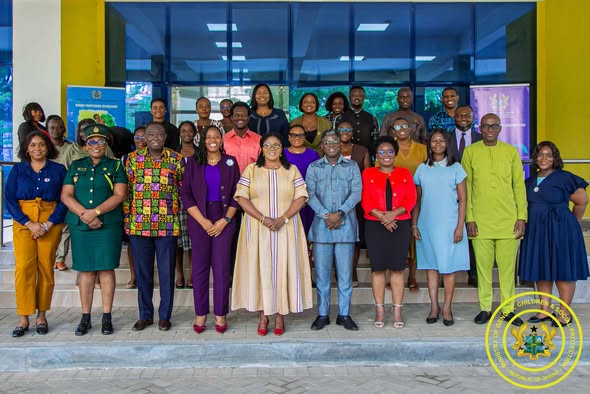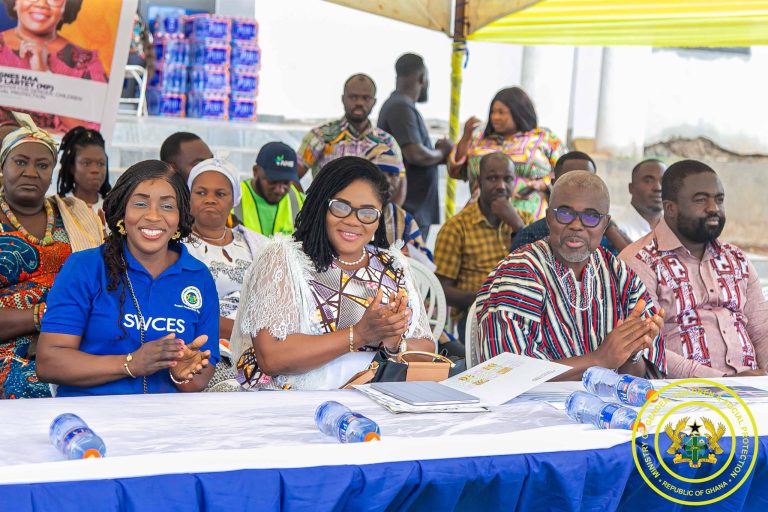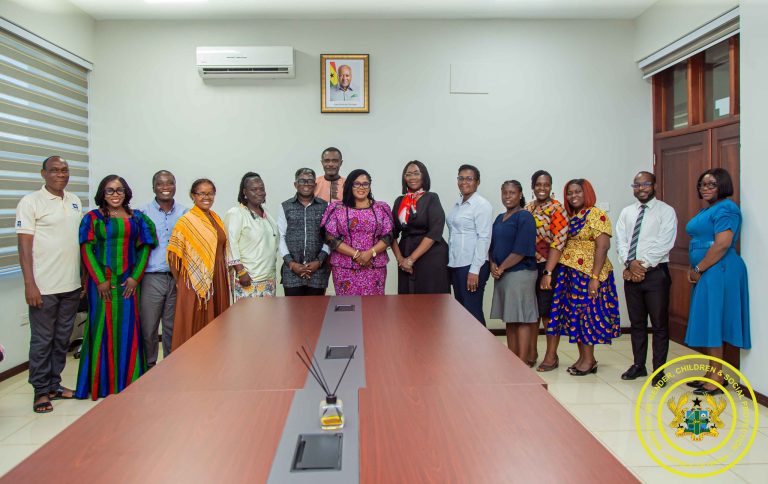

The Ministry of Gender, Children and Social Protection (MoGCSP) has held a stakeholders’ validation meeting to review and finalise the draft regulations for the implementation of the Affirmative Action (Gender Equity) Act, 2024 (Act 1121).
This mandates the equal representation and participation of women in decision-making.
In her address on Saturday in Accra, the Minister for Gender, Children and Social Protection, Dr Agnes Naa Momo Lartey, described the validation meeting as a significant milestone in Ghana’s journey toward achieving true gender equality and social justice.
She noted that while the passage of the Act was a landmark moment, “an Act without robust implementation mechanisms remains a promise unfulfilled.”
She emphasised that the regulations under review would serve as the engine that powers the vehicle of change, translating the intent of the law into concrete outcomes across workplaces, communities, and governance structures.
Highlighting progress achieved so far, the Minister pointed to notable strides in education, health, governance, and economic empowerment.
She noted that Ghana has achieved near gender parity in primary school enrolment, witnessed increased participation of women in tertiary education, recorded significant reductions in maternal mortality, and seen a steady rise in the number of women appointed to leadership positions.
Dr Agnes Naa Momo Lartey further mentioned that various initiatives have economically empowered thousands of women through access to microfinance, skills training, and entrepreneurship programmes, improving their livelihoods and financial independence.
She called for collective ownership of the process, stressing that the success of the Affirmative Action agenda depends on a whole-of-government and whole-of-society approach.
She urged the media to support public education, encouraged the private sector to view gender equity as an investment in innovation and productivity, and called on traditional and religious leaders to be agents of positive cultural change.
The validation meeting served as a platform for inclusive consultations to ensure that the regulations align with Ghana’s national priorities and international commitments to gender equality and inclusive governance.
Priscilla Osei-Wusu Nimako, ISD