Ghana and Zimbabwe have prioritised economic cooperation in their restored diplomatic engagement, as both nations seek to expand trade and investment prospects under a new bilateral framework.
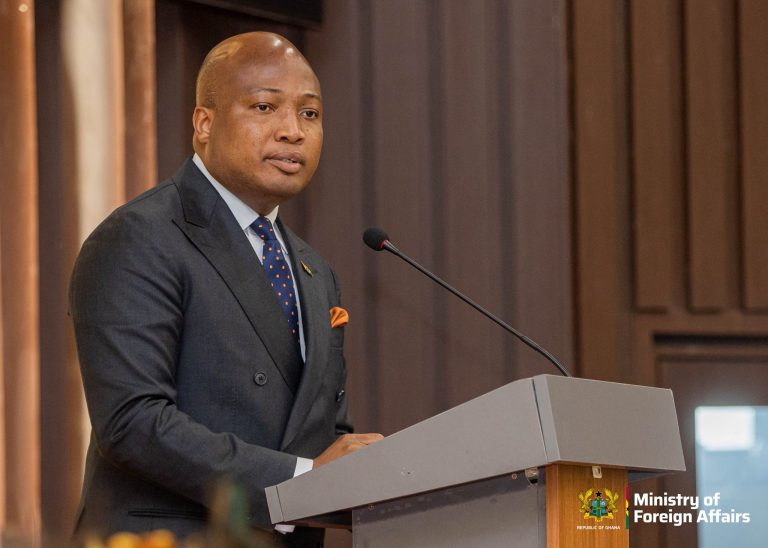
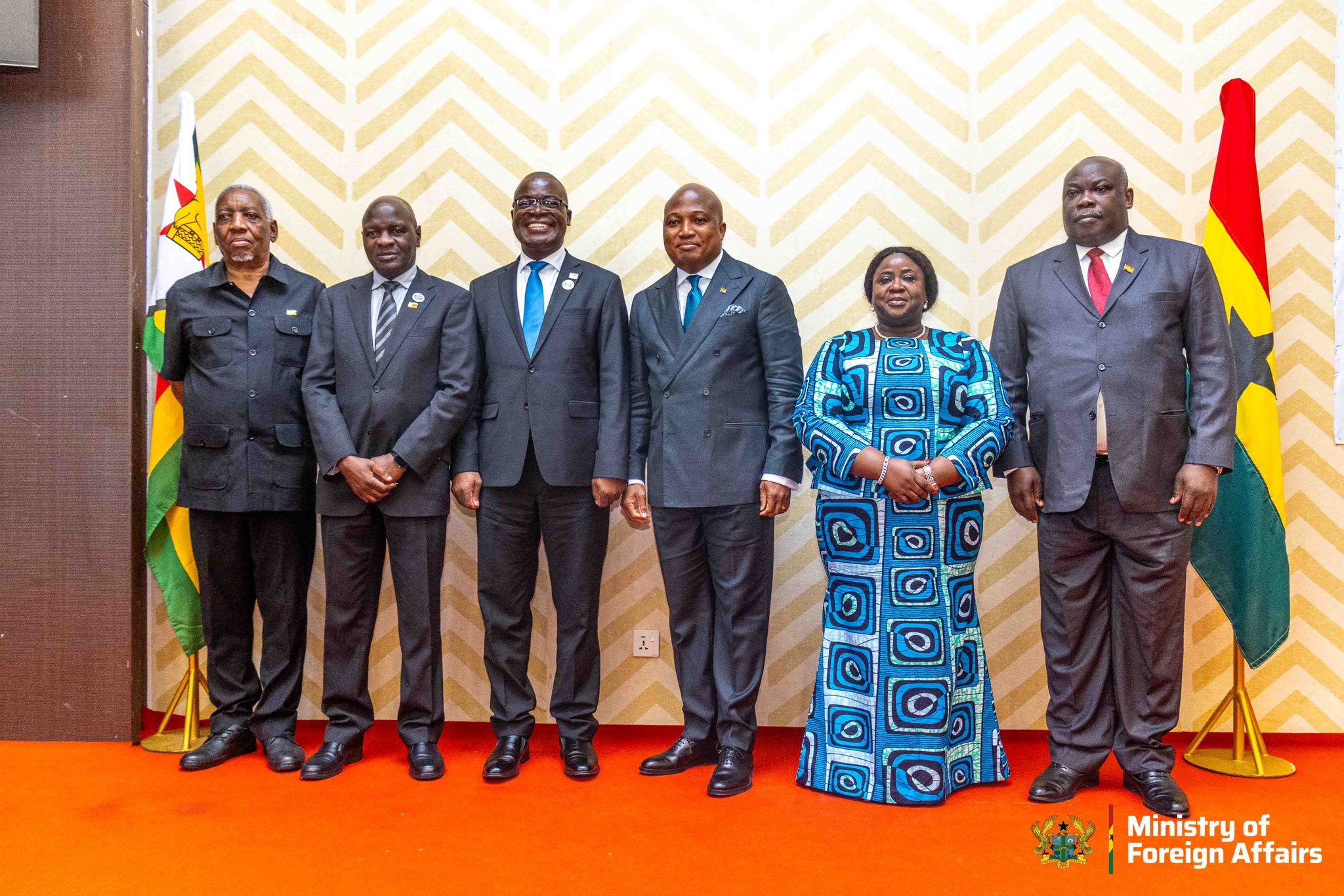
Speaking at the inaugural Ministerial Meeting of the Permanent Joint Commission for Cooperation (PJCC) on Tuesday, in Accra, the Minister for Foreign Affairs, Mr Samuel Okudzeto Ablakwa, said the framework provides a platform for structured dialogue and coordinated action on strategic sectors.
He noted that Ghana’s position as the host of the Africa-Continental Food Area Secretariat and Zimbabwe’s role within the Southern African Development Community offer both countries unique opportunities to expand intra-African trade, strengthen regional value chains, and promote industrial development.
“By leveraging our strategic positions, Ghana and Zimbabwe can work together to increase trade, create jobs, and enhance regional markets,” he said.
Mr Ablakwa pointed to potential collaboration in mining and mineral beneficiation, citing the abundant deposits of gold, manganese, diamonds, iron, and lithium in both countries.
He said joint ventures, environmentally responsible mining practices, and technology sharing could ensure natural resources contribute meaningfully to sustainable growth.
The minister urged the promotion of exchange programmes, mutual recognition of technical and vocational qualifications, and partnerships in research and innovation to empower the youth of both nations.
The Minister for Foreign Affairs and International Trade of Zimbabwe, Professor Amon Murwira, recalled the long-standing ties between the two countries, rooted in Africa’s liberation struggles and Pan-African solidarity.
He noted that Ghana was among the first nations to establish diplomatic relations with Zimbabwe, and the country played a key role in supporting Zimbabwe’s human capital development, particularly through education.
He stated that prosperity would be measured by access to food, water, shelter, health, education, and infrastructure, adding that, ‘Diplomacy must produce prosperity for our people. If it does not provide food, water, and dignity, it is meaningless,” he said.
Joyce Adwoa Animia Ocran, ISD