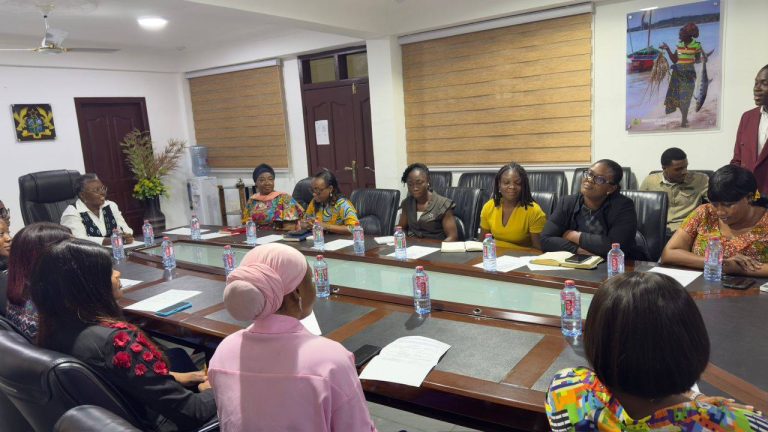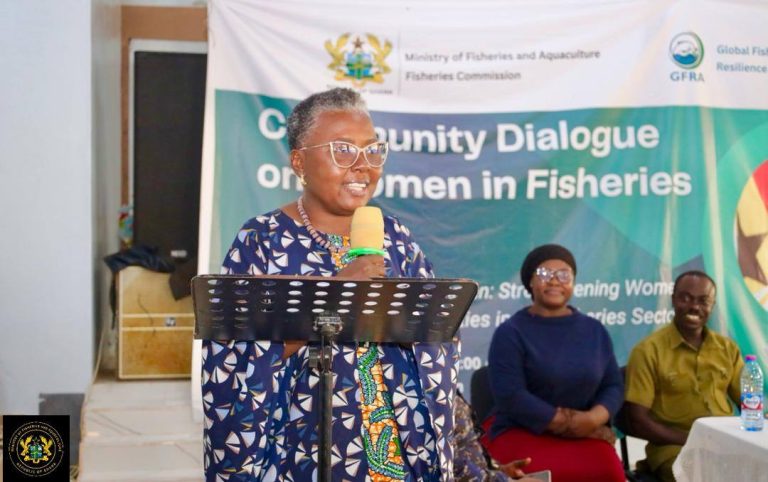
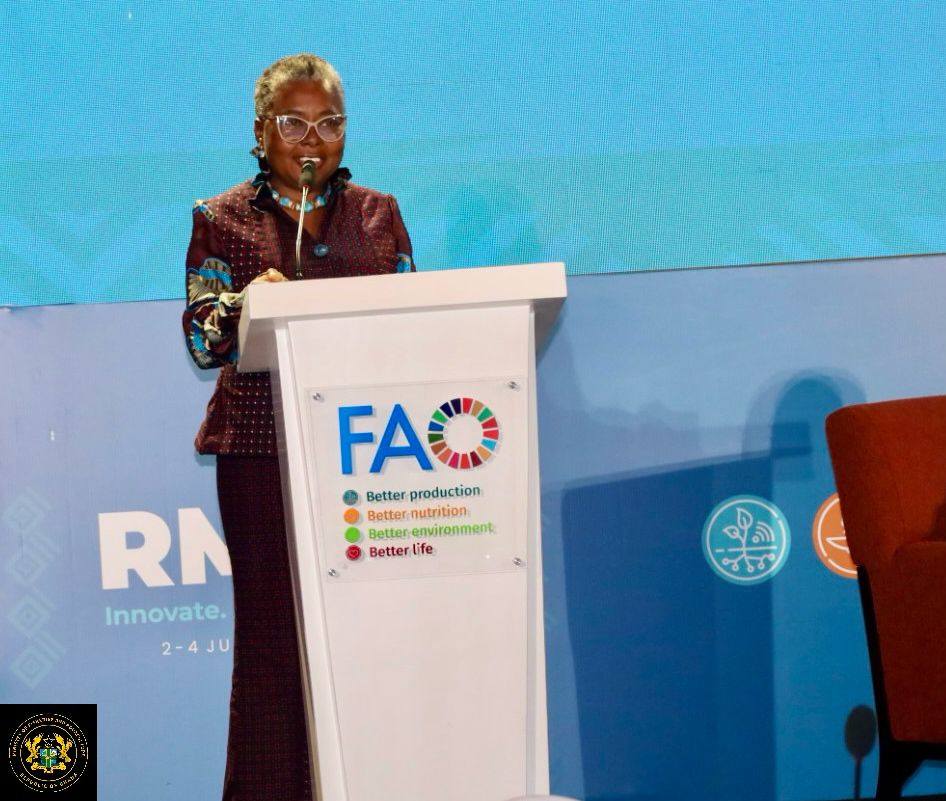
The Minister for Fisheries and Aquaculture, Mrs Emelia Arthur, has called for urgent reforms in Africa’s agrifood systems.
She said the continent must harness its vast resources and potential to deliver better livelihoods and improve food security for its people.
She made the call on Tuesday at the opening of the 15th Regional Management Team Meeting of the Food and Agriculture Organisation (FAO) in Accra.
She noted that Africa possesses abundant natural resources, a youthful population and strong entrepreneurial energy, yet continues to face hunger, poverty and climate-related challenges.
According to the minister, Africa needs transformation that delivers measurable outcomes rather than isolated interventions and urged stakeholders to focus on practical solutions capable of addressing longstanding challenges within food production systems.
Highlighting Ghana’s partnership with the FAO, she cited the fish processing centre in Axim as an example of how targeted programmes can improve livelihoods.
She disclosed that the initiative has created opportunities for women engaged in fish processing and demonstrated the benefits of collaboration between governments and development partners.
Mrs Arthur drew attention to the potential of the Blue Economy, describing it as an area that can contribute substantially to economic growth and food security across Africa.
She called for stronger regional cooperation, increased investment and firm action against Illegal, unreported, and Unregulated fishing to safeguard marine resources and support sustainable development.
The Deputy Minister for Food and Agriculture, Mr John Dumelo, outlined a number of challenges confronting the sector, including constraints faced by smallholder farmers, growing food demand driven by population growth, disruptions along agricultural value chains and persistent nutrition concerns.
He said Ghana was implementing programmes such as the Feed Ghana Programme and the Block Farming and Agricultural Transformation Agenda to increase agricultural production, reduce dependence on imports, stabilise food prices, and modernise farming practices.
Mr Dumelo noted that the FAO has an important role in supporting countries to move beyond fragmented interventions towards scalable, evidence-based programmes aligned with the organisation’s goals of better production, better nutrition, environment, and life.
The FAO Deputy Director-General, Maurizio Martina, stressed the need for efficiency, accountability, and stronger coordination among stakeholders.
He said the organisation’s “One FAO” approach remains essential for delivering coherent support to member states.
Irene Wirekoaa Osei, ISD