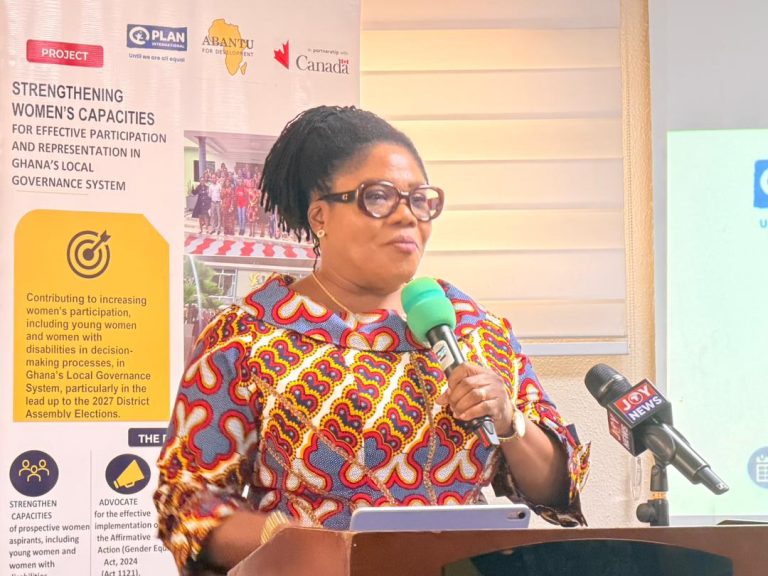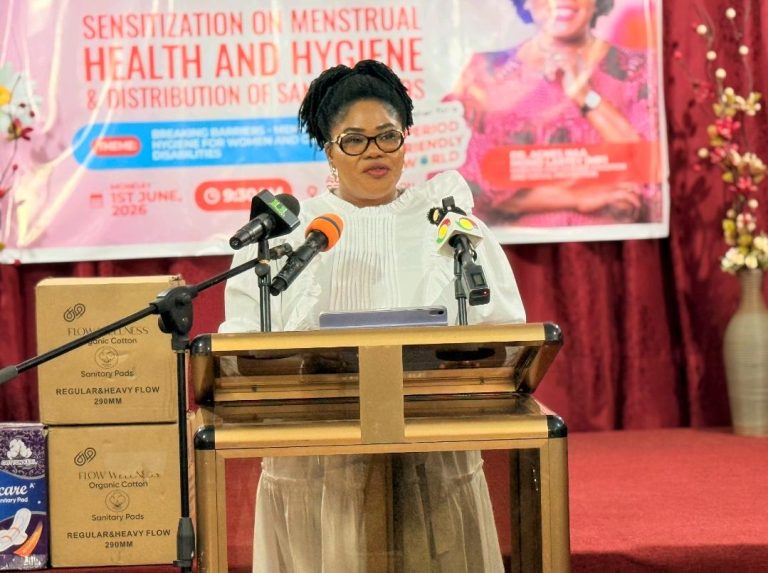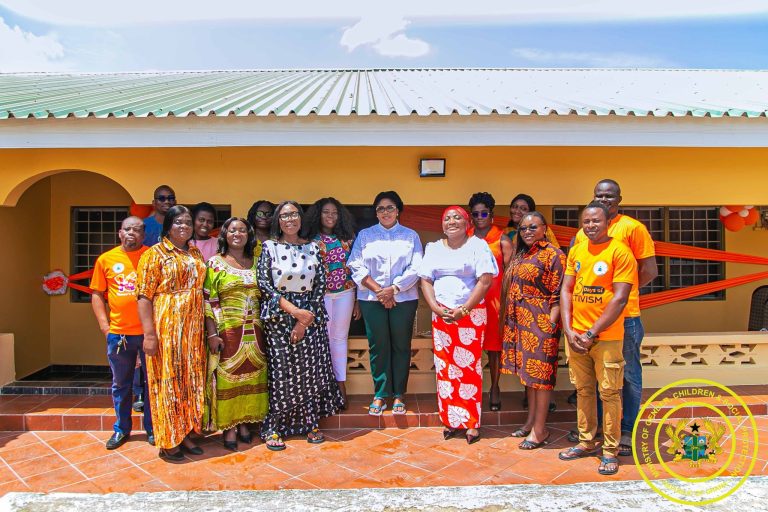
The Minister for Gender, Children, and Social Protection, Dr Agnes Naa Momo Lartey, has stated that women and girls with disabilities continue to face significant barriers in managing their menstrual health, a situation that requires urgent attention from policymakers, healthcare providers, and communities.
Speaking at the 2026 Menstrual Health and Hygiene Day commemoration, she highlighted the unique challenges many women and girls with disabilities encounter, including limited access to menstrual health information, inadequate sanitation facilities, and insufficient support systems.
According to the Minister, menstruation remains surrounded by stigma and misinformation, making it difficult for many women and girls to manage their periods safely and confidently, especially those living with disabilities. She noted that these challenges are often even more severe.
She called for greater investment in disability-friendly sanitation facilities, improved menstrual health education, and stronger support systems to ensure that women and girls with disabilities can manage their menstrual health with dignity.
“Menstrual health is not only a health issue but also an issue of equality, participation, and social justice,” she stressed.
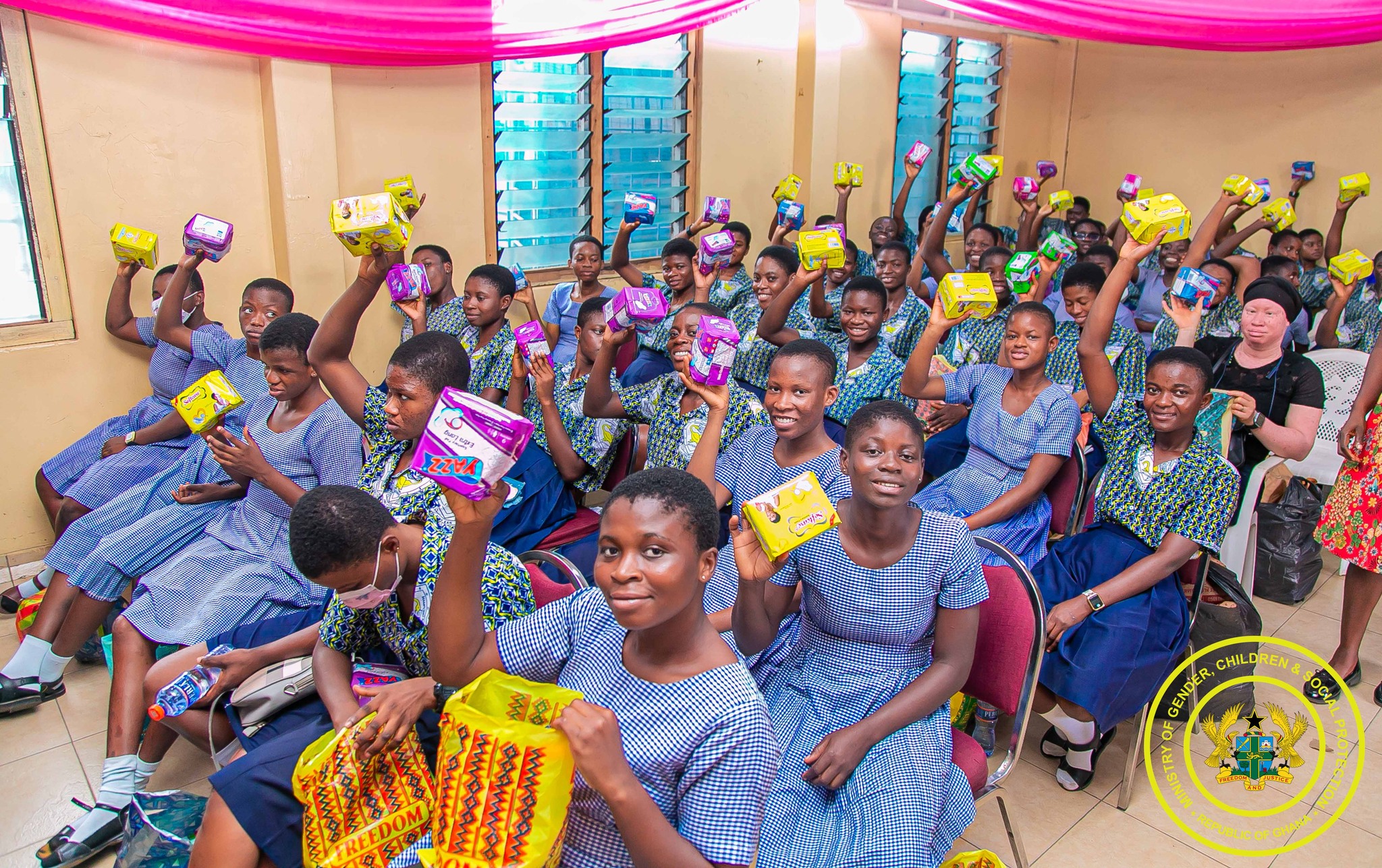
She noted the government’s efforts to improve menstrual health through the Free Sanitary Pad Distribution Programme, adding that the initiative is helping to reduce barriers to education by providing sanitary pads to schoolgirls across the country, including those in special schools and inclusive learning environments.
The Chief Director of the Ministry, Dr Marian W. A. Kpakpah, echoed the call for collective action, stressing that addressing menstrual health challenges requires the involvement of government agencies, development partners, civil society organisations, and communities.
Representatives from the United Nations Population Fund (UNFPA), the Ghana Federation of Disability Organisations, FlowWellness Ghana, and Jasper Wellness Health Organisation Ghana also pledged their support for efforts to improve menstrual health and promote inclusion.
As part of the commemoration, participants received education on safe menstrual hygiene practices from officials of the Ghana Health Service. Sanitary pads were also distributed to women and girls with disabilities, and other vulnerable beneficiaries.
Grace Acheampong, ISD