Chief executives of state-owned enterprises who fail to submit audited accounts and annual reports by a mid-year deadline set by the State Interests and Governance Authority (SIGA) will lose their jobs.
The warning came as President John Dramani Mahama revealed that some state-owned enterprises had gone as long as seven years without filing audited accounts or annual reports, a situation he said had made them a major drag on the economy.
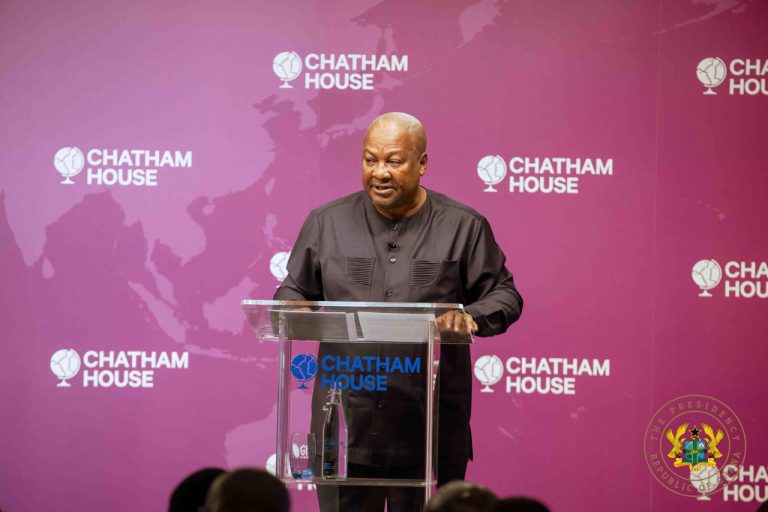
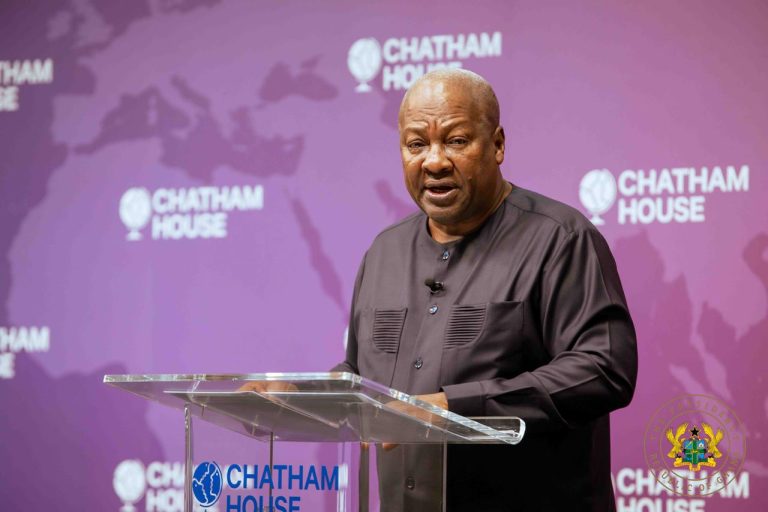
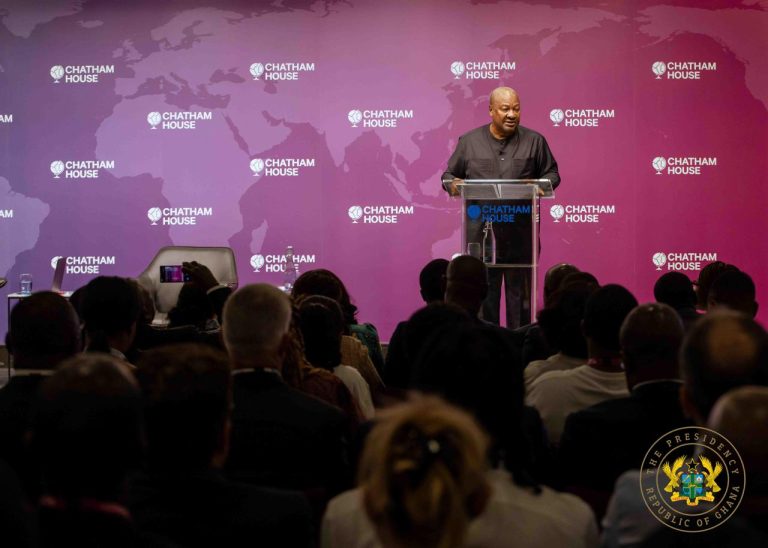
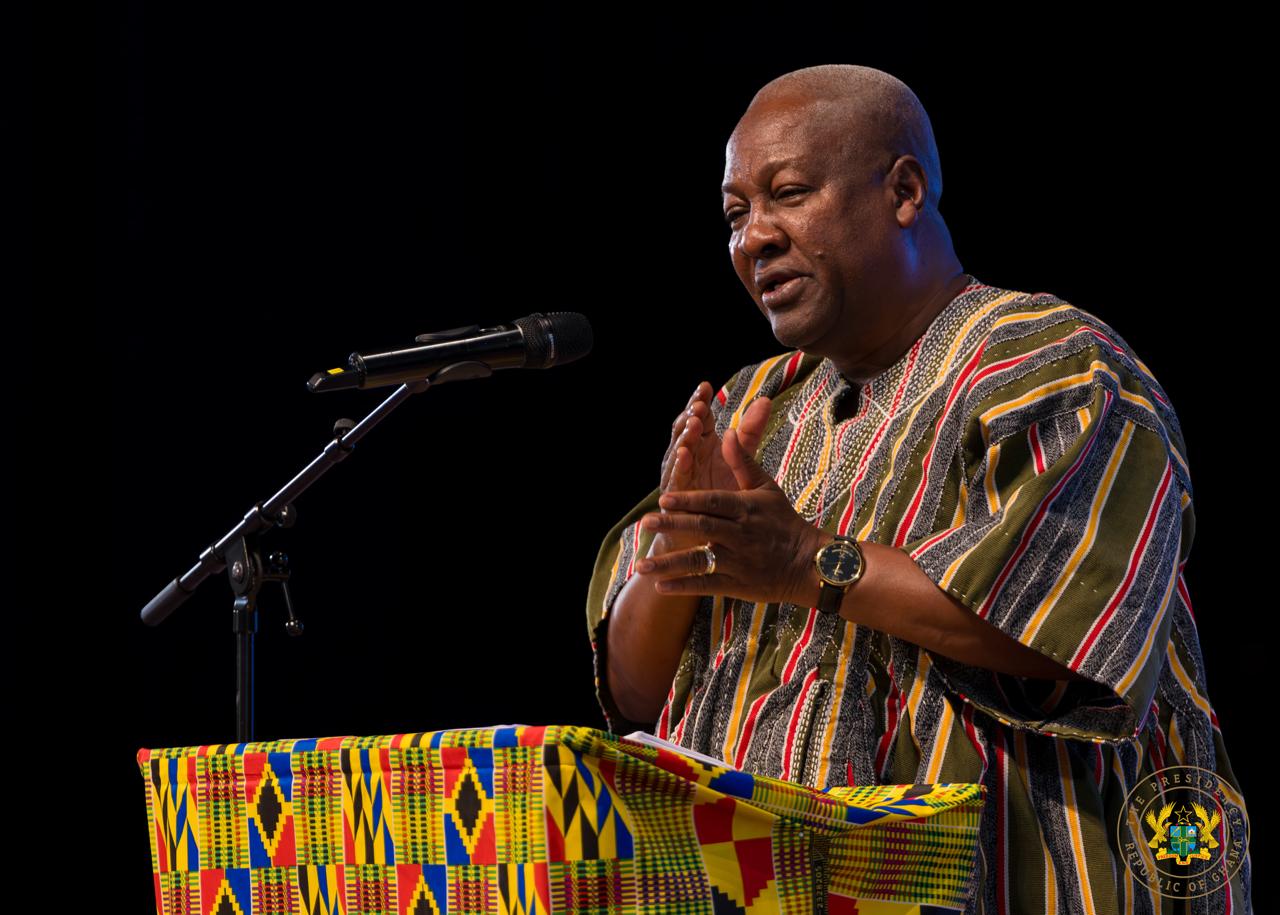
The President disclosed during a question and answer session at a diaspora town hall meeting in London, where he was on a UK working visit.
“No organisation can be properly run under such conditions,” he said, adding that compliance with audited accounts and annual reports had been made part of the key performance indicators for all SOE chief executives.
He said his administration had also discovered that some CEOs were presiding over huge losses that were quietly becoming contingent liabilities on the national debt, even as the government maintained fiscal discipline elsewhere.
The stern warning came alongside encouraging news.
President Mahama said several state-owned enterprises had already turned around, moving from loss-making positions to profitability.
The National Buffer Stock Company, he said, had recorded a profit of 60 million Ghana Cedis for the first time in years.
“We are restoring discipline and accountability,” he said, though he acknowledged that legacy debts accumulated over time continued to weigh on the balance sheets of some institutions.
The SOE crackdown formed part of the accountability drive President Mahama outlined during the visit.
He told the gathering that about 36 active investigations into alleged misuse of public office were underway back home, insisting that accountability should not wait for a change of government.
Blockchain tools were being deployed in public financial management and artificial intelligence was already working at ports to reduce revenue leakages.
On the economy, he said Ghana had exited its IMF Extended Credit Facility programme after inheriting a derailed arrangement where almost every performance target had gone off track. Non-oil growth exceeded seven percent, driven by agriculture, manufacturing, and digital services.
“The sacrifices made by Ghanaians have paid off,” he said. “Ghana is back on track. Ghana is working again.”
Richard Aniagyei, ISD