
President John Dramani Mahama has announced the development of a National Agribusiness Policy to provide strategic direction for investment and coordination across the agribusiness ecosystem.
The policy, he said, would focus on value addition, competitiveness, processing standards, and resilience across supply chains.
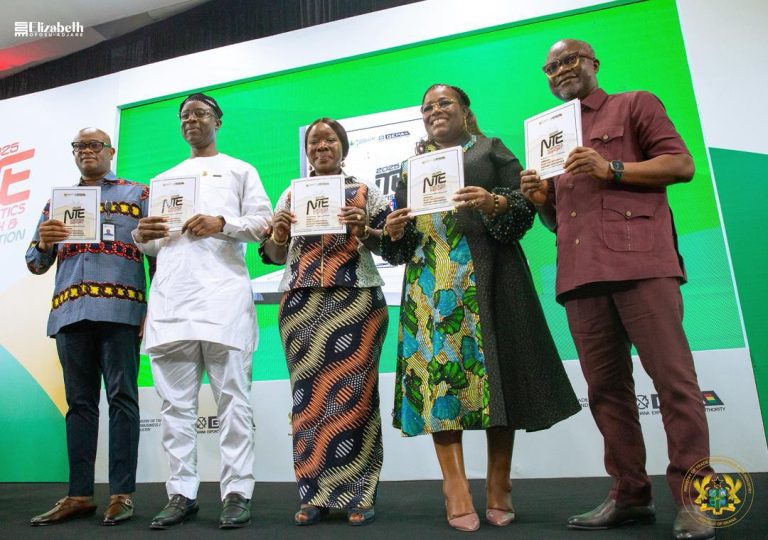
He announced this when he delivered the keynote address at the maiden edition of the National Agribusiness Dialogue held on Monday in Accra.
He described agribusiness as the backbone of Ghana’s economic turnaround and called for coordinated action to reposition the sector as a driver of industrial growth, job creation, and export diversification.
He lauded the Ministry of Trade, Agribusiness and Industry for organizing the dialogue and championing a policy realignment to position agribusiness at the heart of Ghana’s industrial and trade agenda.
According to the President, the realignment is a strategic decision aimed at transitioning Ghana from an agrarian economy to a competitive, export-led industrial hub.
“Today’s dialogue is not just another meeting. It is a call to action. We must move from talking to implementation. The time has come to unlock the full potential of agribusiness as the new driver of Ghana’s inclusive and sustainable industrial growth,” he said.
He disclosed the rollout of the Feed Industry Programme to help increase Ghana’s industrial capacity utilization from the current 30-40% to 70-80%.
The programme, he said, is anchored on four strategic pillars: Commercial Farmer Development, Post-harvest Loss Solution Centers, Industrial and Market Development, and Institutional Capacity Building.
He noted that the global agribusiness market is expected to develop rapidly in the coming years, creating an excellent opportunity for nations such as Ghana.
“With vast arable land, abundant water resources, and a youthful population, Ghana is well-positioned to become a key player in global food systems,” he added.
He stressed the need for value addition, integration into global value chains, and development of robust local supply systems as necessary steps to seize this opportunity.
President Mahama unveiled a series of ambitious initiatives aimed at boosting agribusiness development, including the Keep the Industries Initiative, the Rapid Industrialization Initiative, and the Accelerated Export Development Programme, all key drivers of the 24-hour economy agenda.
He emphasised that these programs depend on a consistent supply of raw materials, requiring a shift from seasonal farming to year-round agriculture, supported by expanded irrigation and mechanization.
The President urged all stakeholders to rise to the challenge with technical insights and a collective will to transform the sector.
“We must each ask ourselves: What can I do for agribusiness? Let us approach this journey with a commitment to inclusive growth, sustainability, and a passion to see Ghana rise through agribusiness,” he added.
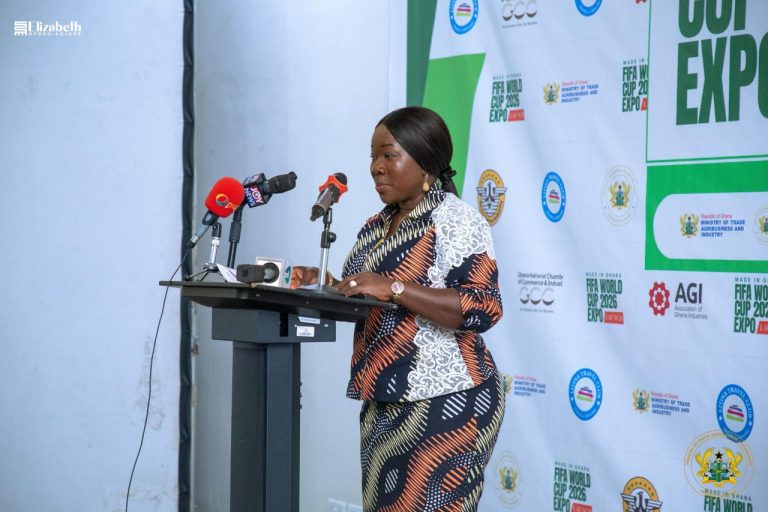
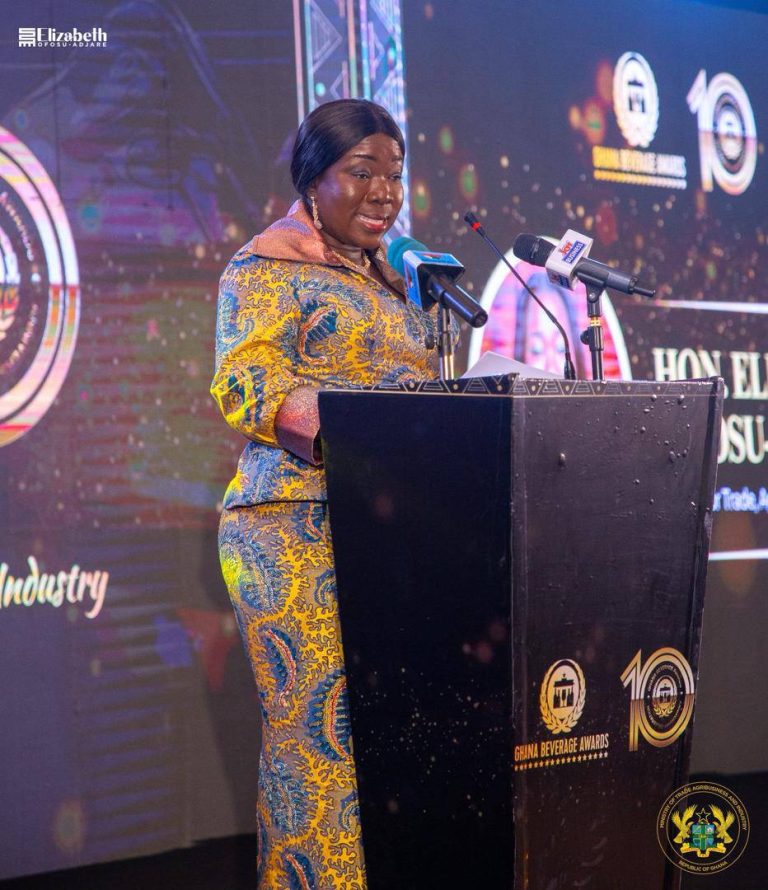
On her part, the Minister for Trade, Agribusiness and Industry, Mrs. Elizabeth Ofosu-Adjare, lauded the President for his leadership and vision for agribusiness.
She described the Ministry’s expanded mandate to encompass agribusiness as a transformational policy shift, necessitating a clear and inclusive national agribusiness strategy aligned with the broader industrial transformation agenda.
“We are here today because we recognize that Ghana’s agribusiness sector must move beyond its traditional confines. We must embrace innovation, invest in value addition, scale up agritech solutions, strengthen market systems, and expand access to finance,” she said.
Mrs. Ofosu-Adjare highlighted the government’s 24-Hour Economy Policy as a strategic tool to amplify agribusiness development, particularly in agro-processing, logistics, and market access.
“By creating the conditions for round-the-clock productivity, we can unlock new layers of efficiency, reduce post-harvest losses, and drive continuous value addition. Industries will not only expand employment opportunities but also ensure that our farmers, agripreneurs, and SMEs are fully integrated into a modern, resilient, and globally competitive economy,” she added.
Irene Wirekoaa Osei, ISD