Officials from the National Development Planning Commission (NDPC) and the United Nations Economic Commission for Africa say Ghana stands to accelerate its economic transformation if remittance inflows are redirected from consumption to productive investment.
Speaking at the opening of a three-day capacity-building workshop in Accra, the Director of Research at NDPC, Richard Tweneboah Koduah, noted that, while remittances continue to play a critical role in supporting household welfare and boosting national income, their broader developmental impact remains underutilised.
According to him, billions of dollars sent home annually by Ghanaians living abroad are largely used to meet immediate needs such as food, education, and healthcare, rather than being channelled into sectors capable of generating employment and sustaining long-term economic growth.
“Remittances account for nearly 7 per cent of Ghana’s Gross Domestic Product and have remained resilient even during global economic downturns,” he stated. “In some instances, they have exceeded foreign direct investment and official development assistance, highlighting their importance to the economy.”
Mr Koduah further indicated that about 1.7 million Ghanaians reside abroad, with their contributions continuing to support livelihoods across the nation.
He, however, stressed the need for deliberate policy interventions to guide the use of these funds toward enterprise development and other productive ventures.
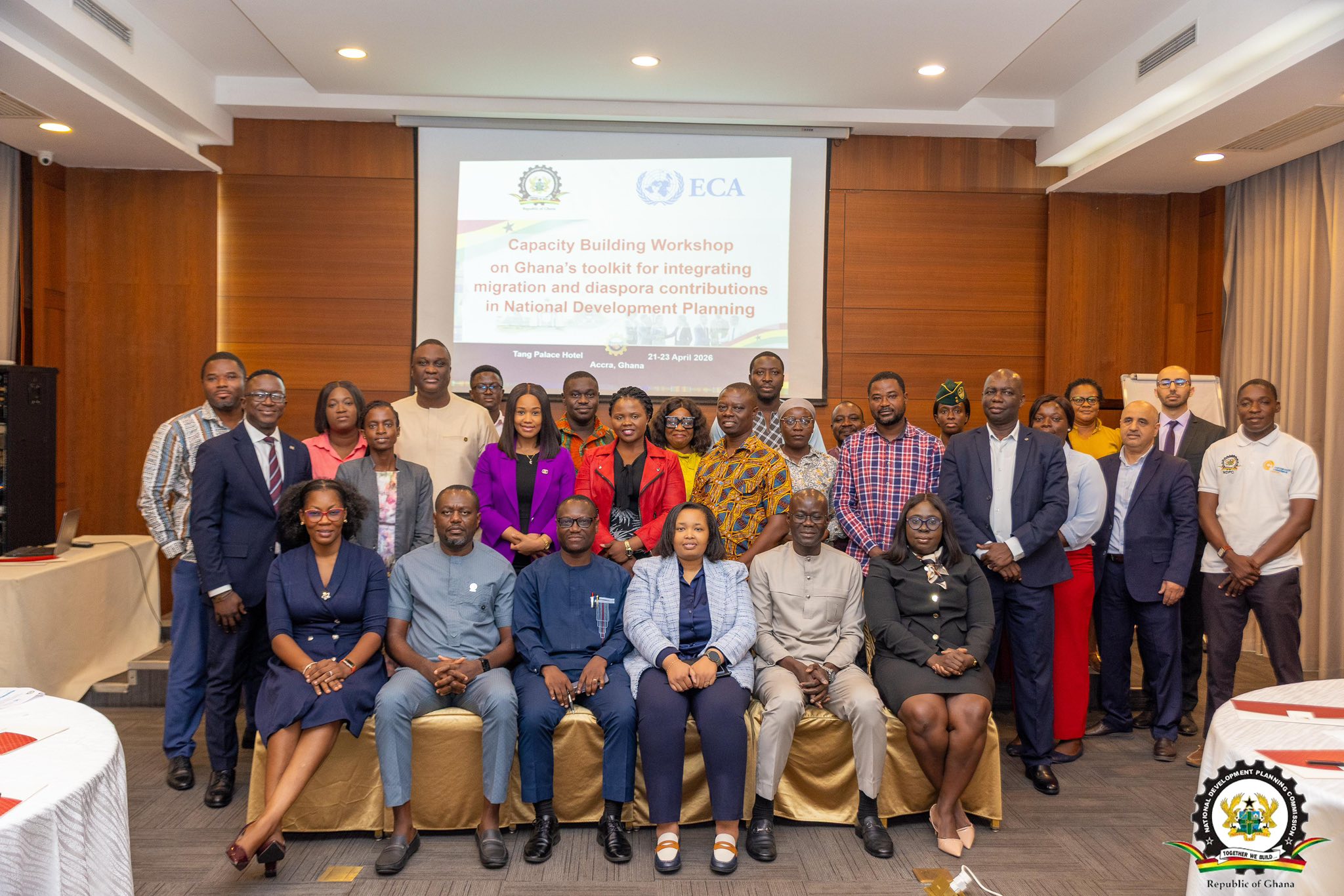
The workshop, organised jointly by NDPC and UNECA, seeks to address gaps in development planning where migration issues are not consistently reflected at sectoral, regional, and district levels.
Mr Koduah revealed that recent assessments have highlighted the lack of a coordinated approach to incorporating migration dynamics into development frameworks, underscoring the need for improved planning mechanisms.
To address this, NDPC and UNECA have developed practical toolkits to support policymakers in aligning development strategies with migration realities. The initiative is expected to equip participants with the technical knowledge required to better integrate diaspora contributions into Ghana’s development agenda.
Also speaking at the event, a representative of UNECA, M. Amadou Diouf, emphasised the need to treat remittances as a strategic pillar within national development frameworks.
He added that Ghana is part of a broader multi-country initiative across Africa that promotes knowledge sharing and the exchange of best practices in migration and development.
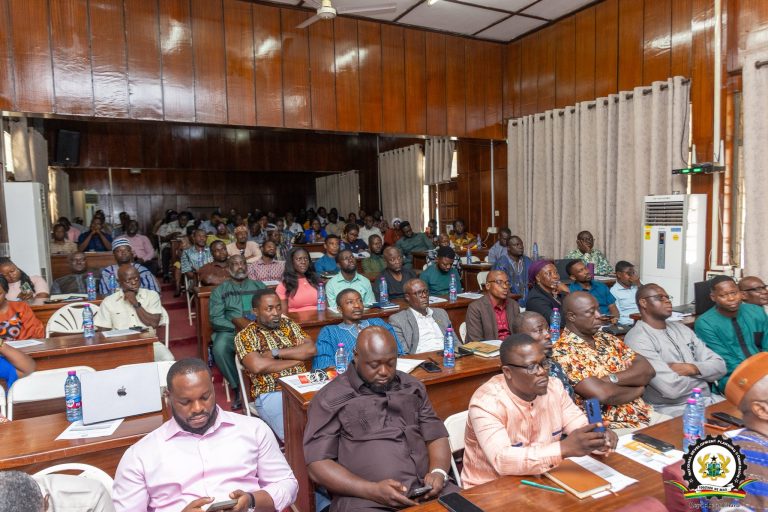
The workshop, which runs from April 21 to 23 in Accra, has brought together government officials, development partners, and technical experts to advance discussions on leveraging migration for sustainable development.
Deborah Narkie Nartey, ISD