Government has released 85 per cent of the Ministry of Food and Agriculture’s approved 2026 budget, saying the early disbursement of funds will boost food production, create jobs and reduce Ghana’s dependence on food imports.
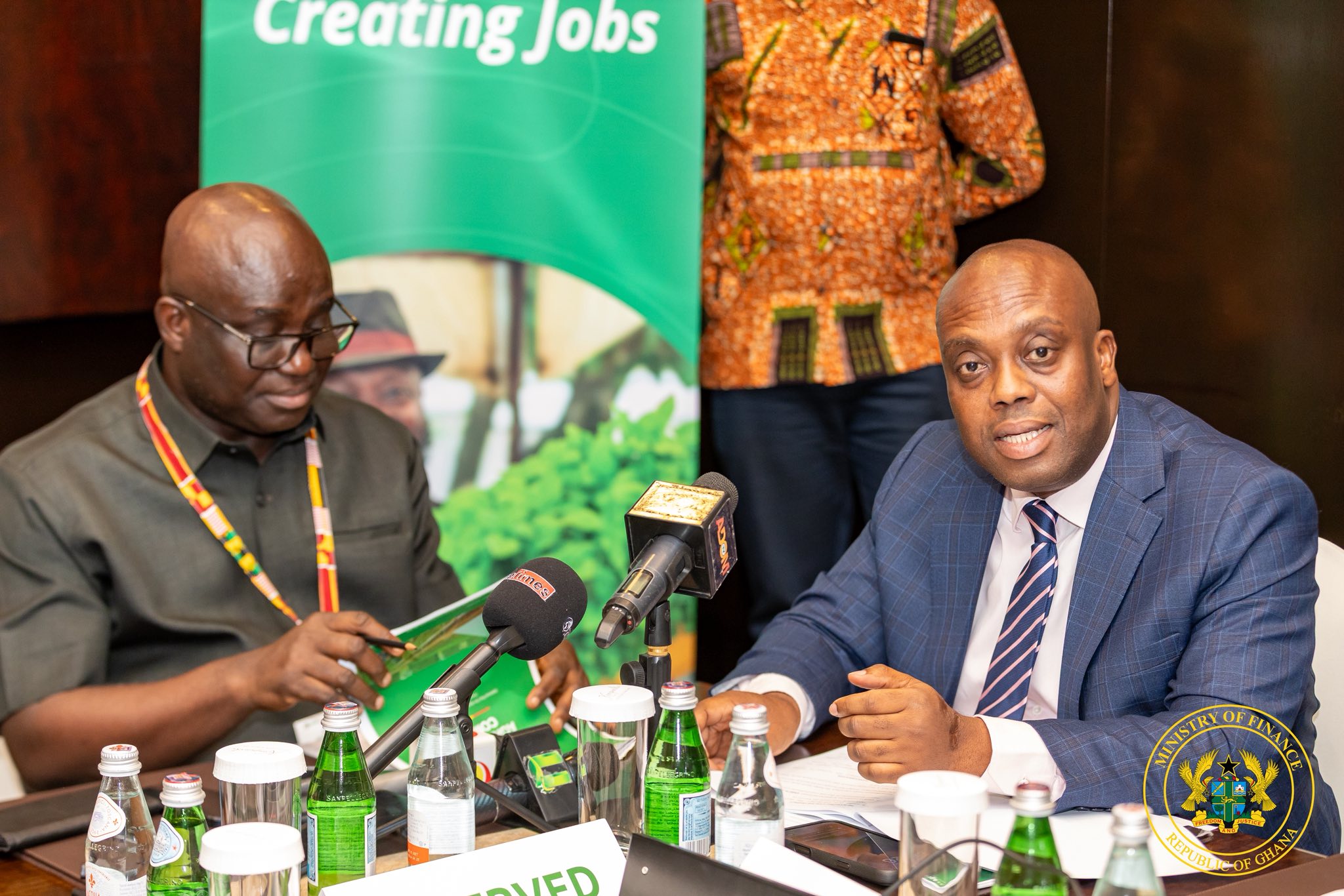
The Deputy Minister for Finance, Thomas Nyarko Ampem, announced this at the launch of the Ghana National Pact for Agriculture and Economic Transformation, Food Security and Employment (AGRICONNECT Compact) in Accra.
He said GH¢1.677 billion had already been transferred to the Ministry of Food and Agriculture (MoFA), describing the move as part of efforts to ensure agricultural programmes are implemented on schedule rather than delayed by funding constraints.
“I am pleased to confirm that we have released GH¢1.677 billion, representing 85 per cent of the approved 2026 Budget for Goods and Services and CAPEX for the Ministry of Food and Agriculture”, he said.
The release comes as Ghana continues to grapple with rising food demand and a heavy import bill for products that can be cultivated locally.
Mr. Ampem said the funding would support a range of projects designed to increase productivity and strengthen agricultural value chains across the country.
According to him, GH¢581.4 million has been allocated for the establishment of 50 Farmer Service Centres to improve access to mechanization services. At the same time, GH¢110 million will be invested in irrigation infrastructure projects aimed at supporting year-round farming.
Another GH¢515.3 million has been earmarked for the supply of fertilizers and certified seeds to farmers, with GH¢244.9 million set aside for the Poultry Farm-to-Table Project, known as Nkoko Nkitinkiti.
The National Food Buffer Stock Company will also receive GH¢200 million to improve produce distribution and trading activities.
Mr. Ampem said Ghana could no longer afford to spend vast sums importing food that local farmers could produce.
He said Ghana’s agricultural transformation agenda required moving the sector from subsistence farming to large-scale production, improving productivity, and developing farming into a thriving agribusiness industry.
“We are no longer interested in budget approvals that sit on paper. The focus now is execution, impact, and accountability. Agriculture must pay, and it must pay sustainably for our farmers and for the economy”, he said.
Mr. Ampem said the Ministry of Finance and the Ministry of Food and Agriculture were strengthening monitoring systems for agricultural projects and rolling out a digital tracking platform to monitor the disbursement and use of funds across districts.
Joyce Adwoa Animia Ocran, ISD