The Ghana Maritime Authority (GMA) has introduced major reforms to modernize seafarer training and certification, aimed at strengthening international shipping safety and ensuring Ghanaian seafarers remain globally competitive.
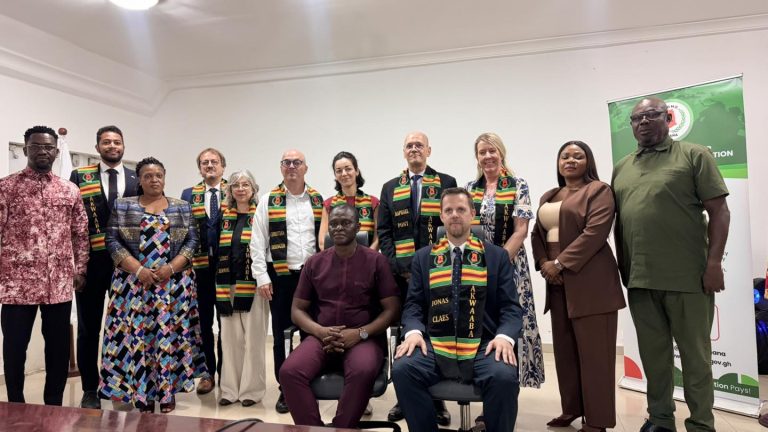
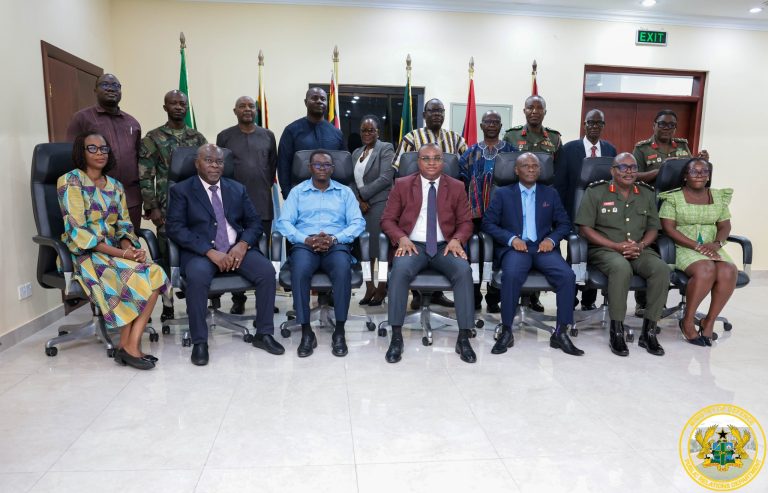
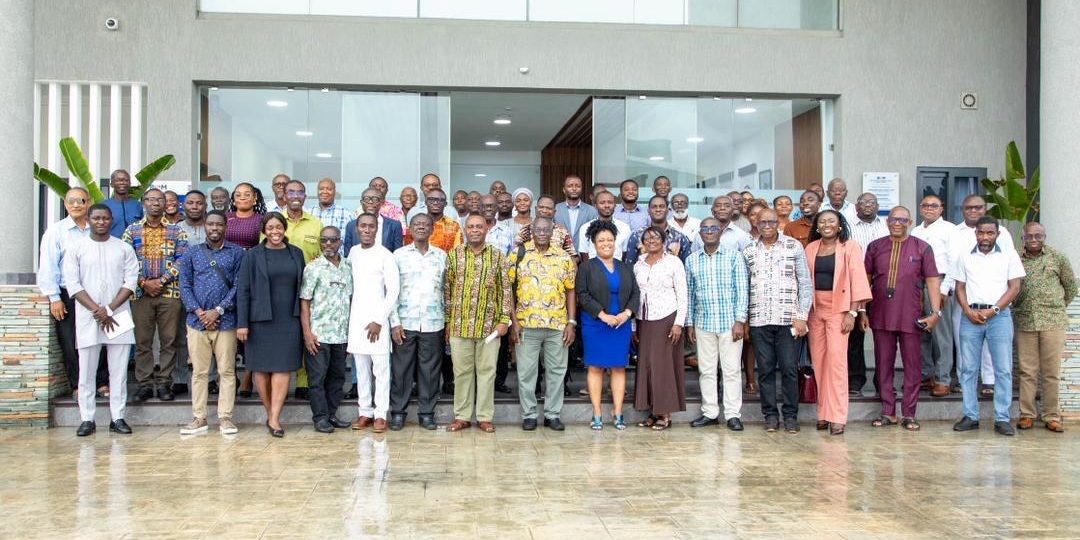
At a consultative meeting held on Monday at the Bernhard Schulte Shipmanagement (BSM) Maritime Training Centre of the Regional Maritime University (RMU), maritime examiners, assessors, and trainers gathered with stakeholders from the GMA, RMU, the Ministry of Transport, and the Ghana Ports and Harbours Authority (GPHA) to address emerging challenges in seafarer training and examinations.
The Acting Vice Chancellor of RMU, Dr. Jethro Brooks, mentioned the need for institutions to adapt to rapidly evolving maritime technology, noting that rigorous academic standards and industry collaboration are vital to protect the integrity of the sector.
The Acting Chief Examiner at GMA, Capt. Samuel Ofori-Danquah disclosed deficiencies identified in previous audits, particularly in Polar Code and IGF Code training.
“It remains mandatory for RMU to maintain fully updated course files, even during periods of low student enrollment,” he said.
Capt. Ofori-Danquah announced that by 2027, the Authority will transition to a centralized Examination Bank of Questions, replacing the current system of multiple paper sets with a computer-based database to eliminate leaks and ensure strict standardization.
He added that to prevent harassment claims and guarantee transparency, the GMA now requires two examiners and an independent observer for all oral assessments.
As part of reforms, all GMA-accredited assessors will undergo the STCW mandatory IMO Model Course 3.12 training, scheduled for August 2026 in collaboration with the International Maritime Organization (IMO).
In a landmark development, RMU secured full access to BSM’s state-of-the-art simulator facilities, ensuring students are well-prepared before deploying for mandatory sea time.
Margaret Adjeley Sowah, ISD