Every Ghanaian can now access a package of essential primary health care services free of charge at public health facilities across the country, with a valid National ID as the only requirement at the point of care.
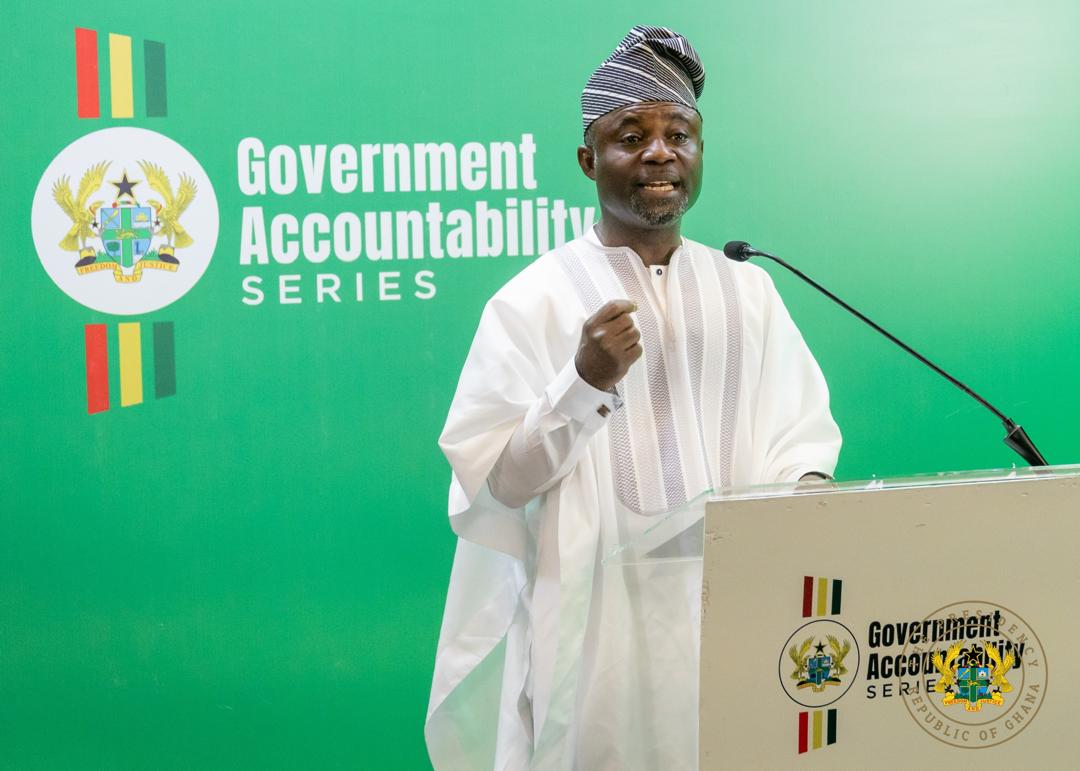
Health Minister Kwabena Mintah Akandoh made the announcement on Monday during a press engagement as part of the Free Primary Health Care Policy Accountability Series, where he explained that the policy is a direct fulfilment of a government promise to remove financial barriers to healthcare at the primary level.
“This is not just about policy. It is about whether a Ghanaian can access care early, easily, and without worrying about cost,” the minister said.
The policy covers a wide range of services available at CHPS compounds, health centres and polyclinics.
These include routine screening for hypertension, diabetes, obesity and mental health conditions, cancer screening, maternal and child health services such as antenatal and postnatal care, immunisation and growth monitoring, health promotion activities, treatment for common conditions like malaria, diarrhoea and respiratory infections, as well as basic emergency care, counselling and referral services.
Beyond facilities, the policy brings care directly into communities. Health workers and trained volunteers will conduct home visits, organise screening activities, visit schools and carry out community health campaigns.
Over 350 container-based service delivery points will also be set up in high-traffic areas such as markets and lorry parks to extend the reach of the programme.
Minister Akandoh said the policy was designed to tackle Ghana’s triple burden of disease, which includes persistent infectious diseases alongside a sharp rise in non-communicable diseases such as hypertension, diabetes, cancers and stroke.
He warned that awareness of these conditions remained dangerously low, citing a 2021 study showing that only 35 percent of hypertensives in Ghana were aware of their condition.
“For most people, by the time they enter the health system, they are presenting with stroke, kidney failure, advanced cancers, or severe complications.
At that point, treatment becomes more expensive, more complex, and less effective,” he said.
The policy will be rolled out in phases, starting with 150 underserved districts before expanding nationwide by 2028.
In preparation, the government has procured 24,534 pieces of essential medical equipment, including incubators, glucometers, ultrasound machines and hospital beds, ready for deployment across the first phase districts.
Financing for the policy has been integrated into the NHIS budget, with a hybrid model covering both preventive and curative services.
The government has also uncapped the NHIS to create more fiscal space and established the Ghana Medical Trust Fund to support advanced care for chronic conditions.
The minister urged Ghanaians to take full advantage of the policy. “Go early. Get screened. Because this system is being built for you,” he said.
Richard Aniagyei, ISD