The government has uncapped the National Health Insurance Scheme and fully integrated the budget for the Free Primary Health Care policy into the NHIS allocation, with a hybrid payment model set to cover both preventive and curative services under the new programme.
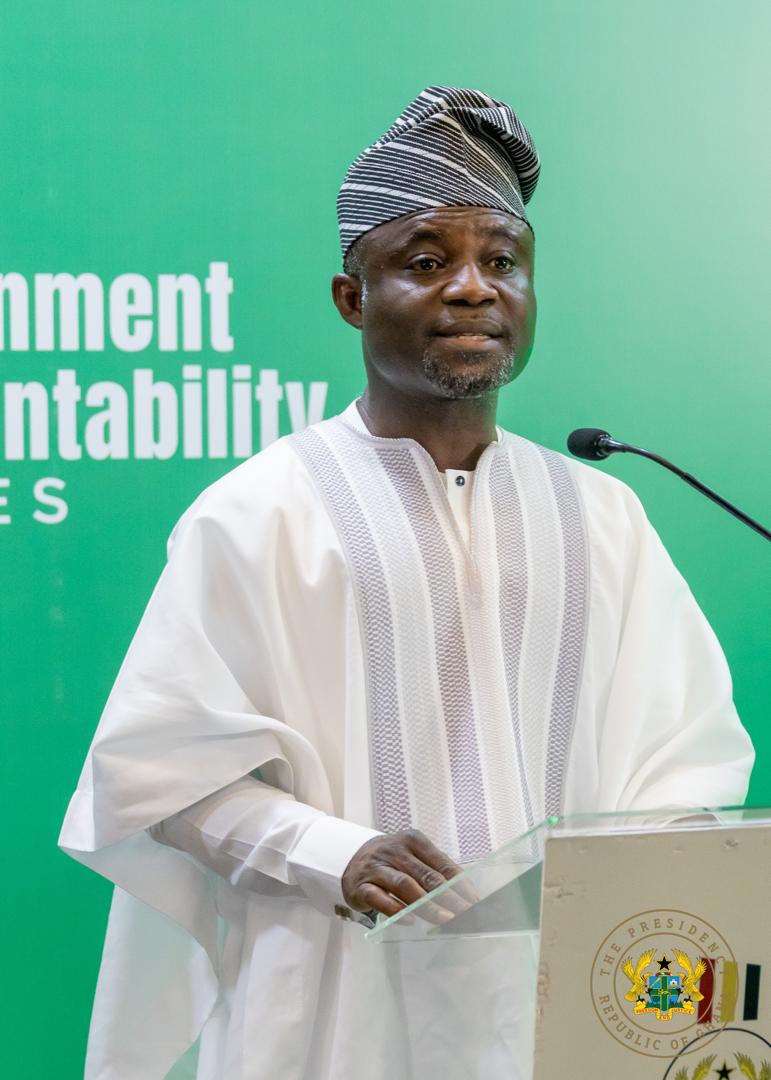
The Minister of Health, Kwabena Mintah Akandoh made this known on Monday at a press briefing as part of the Free Primary Health Care Policy Accountability Series, assuring Ghanaians that the policy is backed by real financial provision and not merely a political commitment.
Under the hybrid financing model, preventive and promotive services will be financed through population-based payments, while curative services will continue to be reimbursed through the NHIS.
The minister said the uncapping of the NHIS was intended to create more fiscal space to support the expanded scope of services under the policy.
The financing arrangement, he said, sits within a broader set of health financing reforms the government is pursuing, which also includes establishing the Ghana Medical Trust Fund to support advanced care for people living with chronic conditions.
“What we are building is a complete system, from prevention to treatment to specialised care,” the minister said.
The policy guarantees every Ghanaian access to essential primary health services free of charge at CHPS compounds, health centres and polyclinics across the country, requiring only a valid National ID at the point of care.
Minister Akandoh said the decision to finance the policy through the NHIS framework was also an opportunity to bring uninsured Ghanaians into the scheme.
While the Free Primary Health Care package is available to all regardless of insurance status, those without NHIS cover will be encouraged to enrol so they can access care at district, regional and tertiary hospitals, as well as more advanced primary care services not included in the free package.
He pointed to the scale of the financing challenge the policy is designed to address, noting that out-of-pocket payments currently account for roughly one-third of Ghana’s total health expenditure, leaving many families exposed to financial hardship before they can access care.
To support implementation, the government has procured 24,534 pieces of medical equipment for deployment across 150 districts in the first phase of the rollout, with a full nationwide expansion expected by 2028.
Strong accountability systems, including digital tracking of service delivery, quality monitoring and patient feedback channels, have also been put in place to ensure resources are used effectively.
Richard Aniagyei, ISD