
Government has inaugurated a 10-member task force to re-establish Ghana’s national airline while advancing infrastructure projects at four airports across the country.
The task force, fulfilling President John Dramani Mahama’s campaign pledge to restore Ghana’s national carrier, has submitted an inception report with an interim report expected soon focusing on finalizing the business model and operational framework.
This initiative represents the Government’s renewed attempt to establish a national airline after previous efforts collapsed
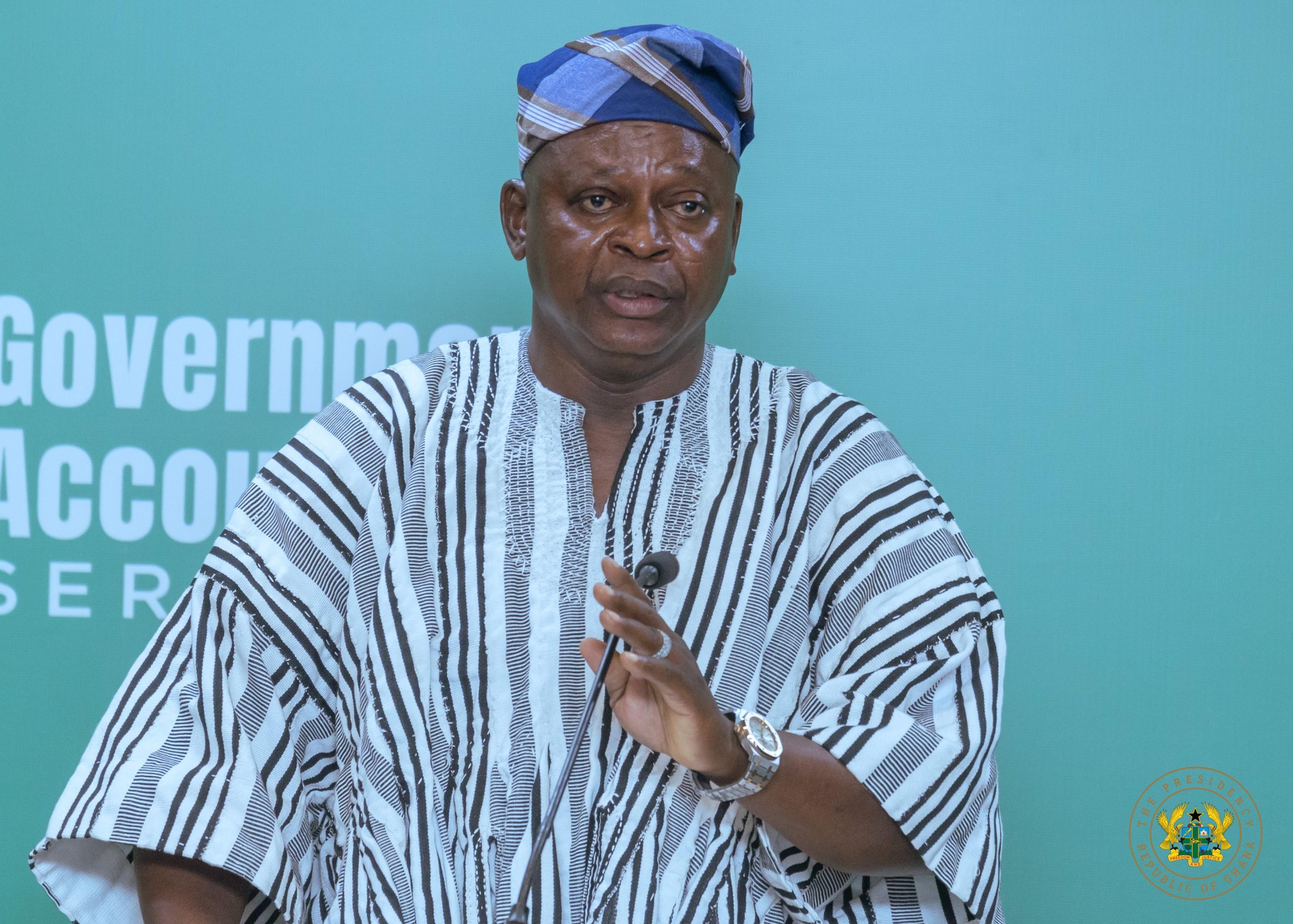
The Minister of Transport, Joseph Nikpe Bukari made this known on Wednesday during the government accountability series.
Mr Nikpe outlined airport infrastructure development proceeding on multiple fronts, with Terminal 2 at Kotoka International Airport being repurposed to handle both domestic and international flights.
“The Ghana Airport Company developed the conversion plan in response to increasing passenger traffic and congestion at Terminal 3, aiming to optimize existing infrastructure and enhance operational efficiency,” he added.
The minister reported that the Prempeh I International Airport runway extension project is 90 percent complete and expected to finish by the end of 2025.
He said the runway is being extended from 1,981 meters to 2,320 meters to accommodate medium-sized aircraft and facilitate international flight operations.
“Night operations at the airport have also been extended from 8pm to 11pm to support the government’s 24-hour economic policy,” he disclosed.
Following President Mahama’s directives, the Minister said the Upper East Region will get a modern airport in Bolgatanga capable of accommodating jet aircraft.
The facility, according to him, will serve as a gateway to the region and boost trade, tourism, and mining sectors. Studies and site assessments are currently underway to support project implementation.
The minister announced that Ho Airport is being revived through a public-private partnership that will transform it into a hub for aviation training and aircraft maintenance.
“A 10-acre site within the airport has been allocated for the development, with the first phase involving establishment of a pilot training academy offering internationally-certified programs for aspiring pilots in the West Africa sub-region,” the Minister said.
Mr Bukari Nikpe explained that the second phase will develop a Maintenance, Repair, and Overhaul facility to support maintenance of domestic and regional aircraft.
The initiative aligns with the government’s plan to leverage regional airports and diversify Ghana’s aviation sector beyond the main Kotoka International Airport.
The minister acknowledged that the national airline task force faces the challenge of developing a viable business model after previous attempts to establish carriers failed due to financial and operational difficulties.
The aviation industry’s capital-intensive nature and competitive regional market will require careful planning to ensure sustainability.
According to Nikpe, Terminal 2’s repurposing addresses immediate capacity constraints at Kotoka International Airport, where Terminal 3 has experienced congestion as passenger traffic increases.
“The dual-purpose facility aims to distribute passenger flow more efficiently while maximizing use of existing infrastructure,” he said.
The minister said the Ho Airport revival represents an attempt to activate underutilized aviation assets while creating specialized training and maintenance capabilities. The pilot training academy could serve the broader West African market, where demand for trained aviation personnel continues to grow.
The Minister noted that Bolgatanga Airport’s development would provide the Upper East Region with direct air connectivity, potentially reducing travel time and costs for residents and businesses. The region’s mining activities and proximity to the Burkina Faso border could benefit from improved aviation access.
The minister positioned these aviation projects as part of the government’s broader transportation infrastructure agenda aimed at supporting economic growth and regional connectivity.
He emphasized that the success of the national airline revival will depend on the task force’s ability to develop a financially sustainable model that avoids the pitfalls of previous attempts.
Richard Aniagyei, ISD