The International community must pursue a responsible and human rights-based approach to the use of artificial intelligence (AI) in expanding access to information across diverse linguistic communities.
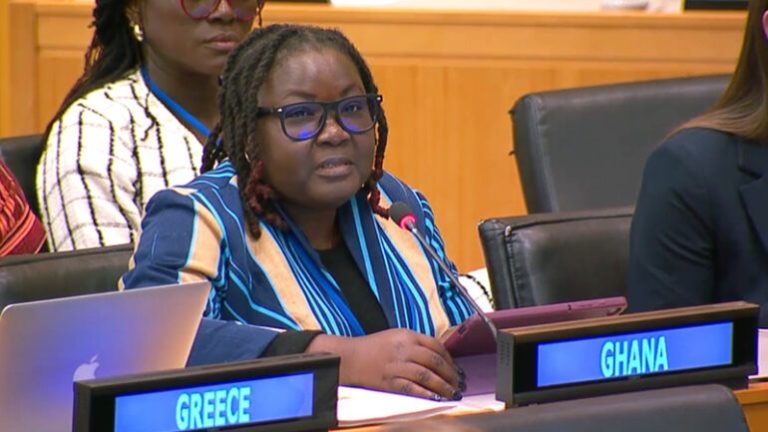
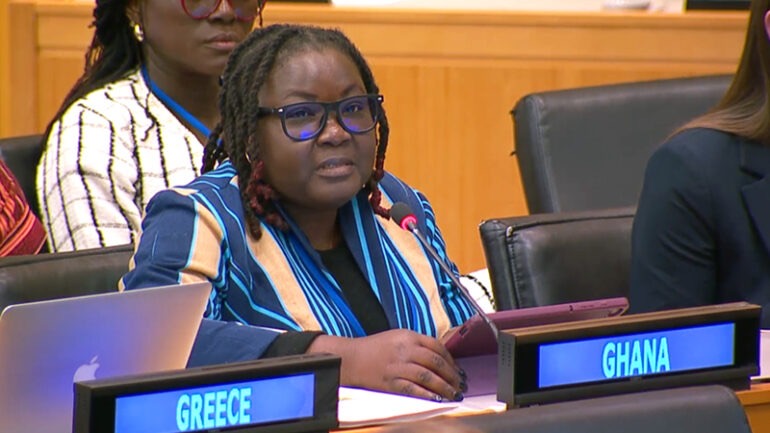
The position was put forward by the Acting Director of the Information Services Department (ISD), Dr Winifred Nafisa Mahama, during Ghana’s national statement to the United Nations Information Committee
She stressed that the multilingualism was central to accessibility, inclusion and trust in the global information space.
Dr Mahama posited that the benefits of the evolving information environment must reach people regardless of the language they spoke.
She said media and information literacy also had a salient role to play in this effort, describing it as an important tool for building public resilience against misinformation and disinformation, particularly in communities that were less equipped to critically evaluate the information they received.
She called for the effective implementation of the UN Global Principles for Information Integrity, backed by targeted capacity building for developing countries, so that nations with fewer resources were not left behind in the global push for a cleaner and more trustworthy information environment.
She also called for the protection of journalists and media professionals at the session, saying their contribution to transparency and accountability in the information space was indispensable and must be safeguarded.
Richard Aniagyei, ISD