Women, Media and Change (WOMEC) has urged Parliamentarians and key stakeholders to champion sustainable domestic financing to address maternal and child malnutrition in Ghana, as concerns grow over the economic and health burden associated with poor nutrition outcomes.
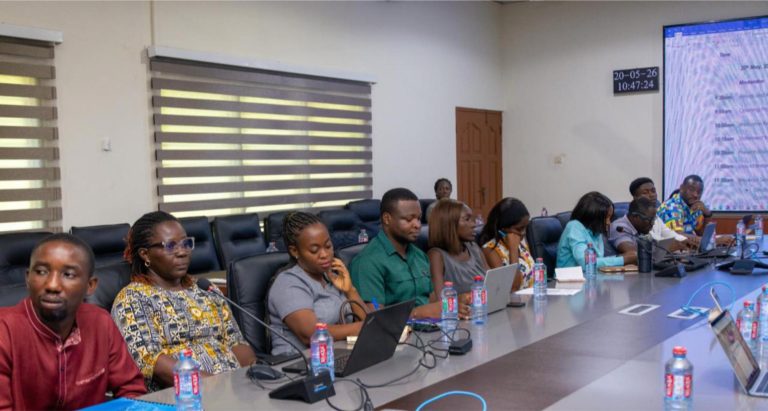
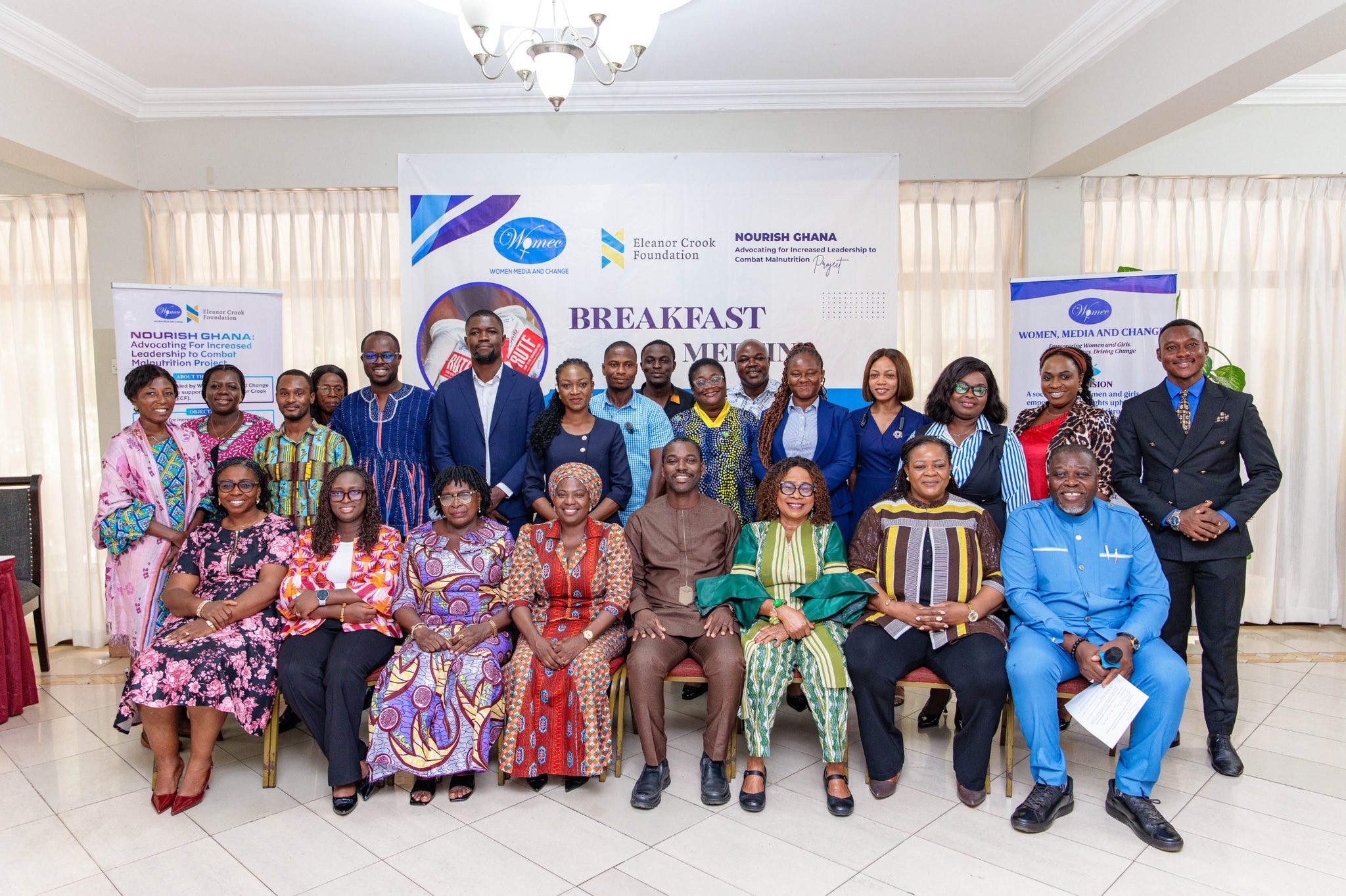
The call was made during an exclusive Breakfast Meeting organised by WOMEC under the theme, “Strengthening Parliamentary Leadership and Domestic Financing for Maternal and Child Nutrition.”
The Principal Planning Analyst at the National Development Planning Commission, Nii Odoi Odotei, presenting on “Ghana’s Nutrition for Growth (N4G) Commitments Progress, Gaps and Opportunities”, highlighted progress made under Ghana’s nutrition agenda while drawing attention to persistent financing and implementation gaps.
He noted that although Ghana has made commitments under the Nutrition for Growth framework, stronger accountability systems and increased investment are needed to achieve meaningful improvements in maternal and child nutrition outcomes.
Discussions at the meeting focused on Parliament’s oversight role in addressing nutrition financing shortfalls and monitoring Ghana’s 23 active Nutrition for Growth commitments.
Stakeholders also stressed the importance of closer collaboration among government institutions, development partners, civil society organisations, and the media to sustain momentum on nutrition advocacy.
Participants further called for increased political commitment towards integrating critical nutrition interventions such as Ready-to-Use Therapeutic Food (RUTF) and Multiple Micronutrient Supplements (MMS) into the National Health Insurance Scheme benefits package.
According to participants, the long-term effects of malnutrition on health and education continue to pose a major threat to national development, with estimates suggesting that Ghana loses more than $2.6 billion annually in reduced productivity linked to poor nutrition outcomes.
Another key proposal discussed was the ring-fencing of revenue generated from taxes on alcohol, cigarettes, and sugar-sweetened beverages to support nutrition financing initiatives.
Representatives from the Ministry of Health, Ghana Health Service, National Development Planning Commission, National Health Insurance Authority (NHIA), development partners, and civil society groups attended the meeting.
Deborah Narkie Nartey, ISD