
Before its nationwide rollout in June 2026, the Ghana Medical Trust Fund ran a pilot programme that treated 50 patients drawn from across the country, spending over GHS 4.8 million on procedures including heart surgeries, brain surgeries, chemotherapy, radiotherapy, and orthopaedic surgeries.
The pilot, approved by the Board of Trustees in February, was designed to test the fund’s systems for patient onboarding, treatment monitoring, and claims management before a full-scale launch. The results, according to the Administrator of the Trust Fund, Obuobia Darko-Opoku, validated the fund’s operational framework and confirmed its readiness for nationwide deployment.
What gave the pilot its human dimension was the range of people it reached. Beneficiaries were as young as six months old and as old as 85 years, drawn from communities across Ghana and treated across 11 hospitals.
They were people who, without the fund’s intervention, would likely have had little or no access to the specialist care their conditions demanded.
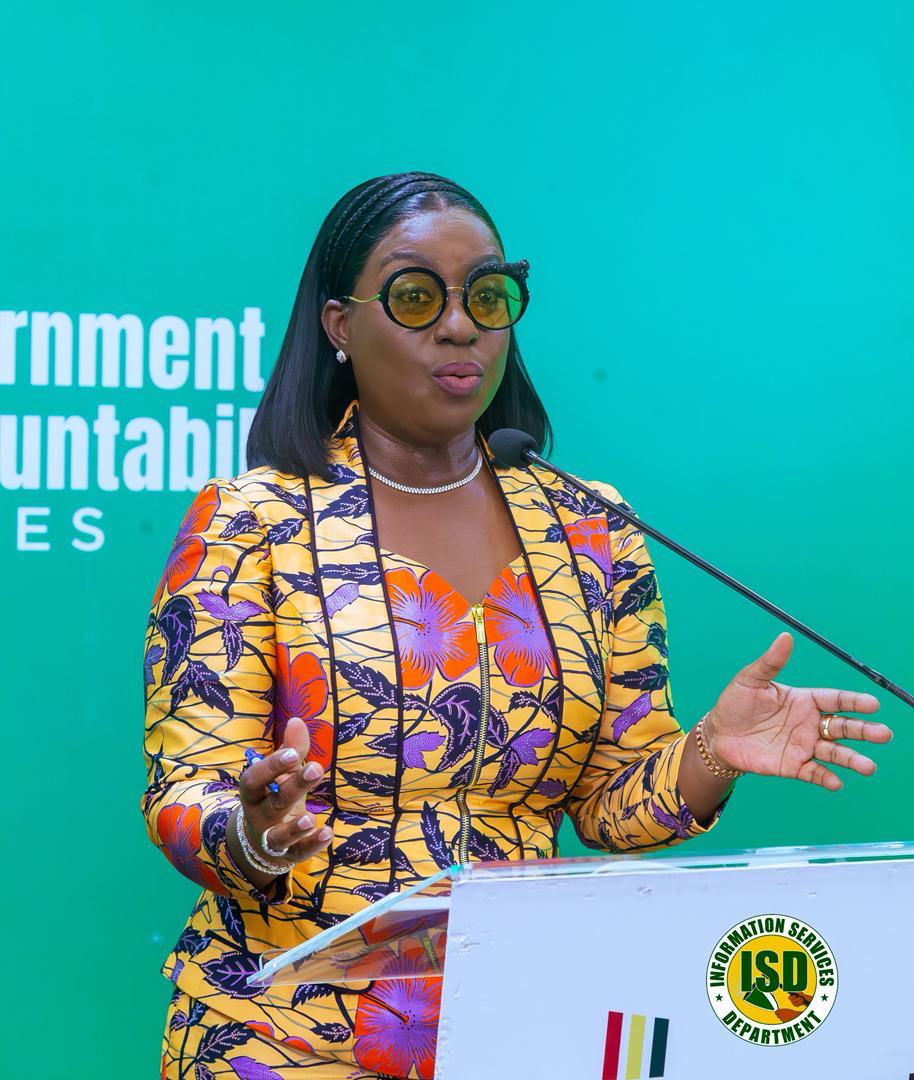
Madam Darko-Opoku made the disclosure at the Government Accountability Series on Monday, where she presented a full account of the fund’s activities since it commenced operations in August 2025.
She said the pilot had been an important test of the fund’s digital platform, which integrates with hospital management systems for patient enrolment, clinical auditing, and claims processing, and that installation and training were already underway across the 29 hospitals enlisted for the June rollout.
She said the fund was created in direct response to a healthcare reality that President Mahama had described as a national emergency: chronic non-communicable diseases account for 43 percent of all deaths in Ghana, yet specialised care had long been out of reach for most Ghanaians due to high treatment costs, inadequate equipment, and the concentration of specialists in only a few urban centres.
The nationwide programme, when it launches, will initially focus on cancers including breast, cervical, prostate, and several childhood cancers, with further conditions to be added by the end of 2026.
Richard Aniagyei, ISD