Ghana Medical Trust Fund Trains 200 Specialist Health Workers Across All Regions
The Ghana Medical Trust Fund has committed GHS 36,234,475 to train 100 pharmacists and 100 nurse specialists across the country in oncology, cardiology, endocrinology, neurology, and related fields.
This is part of a deliberate effort to build a specialist healthcare workforce that serves every region of Ghana rather than just its major cities.
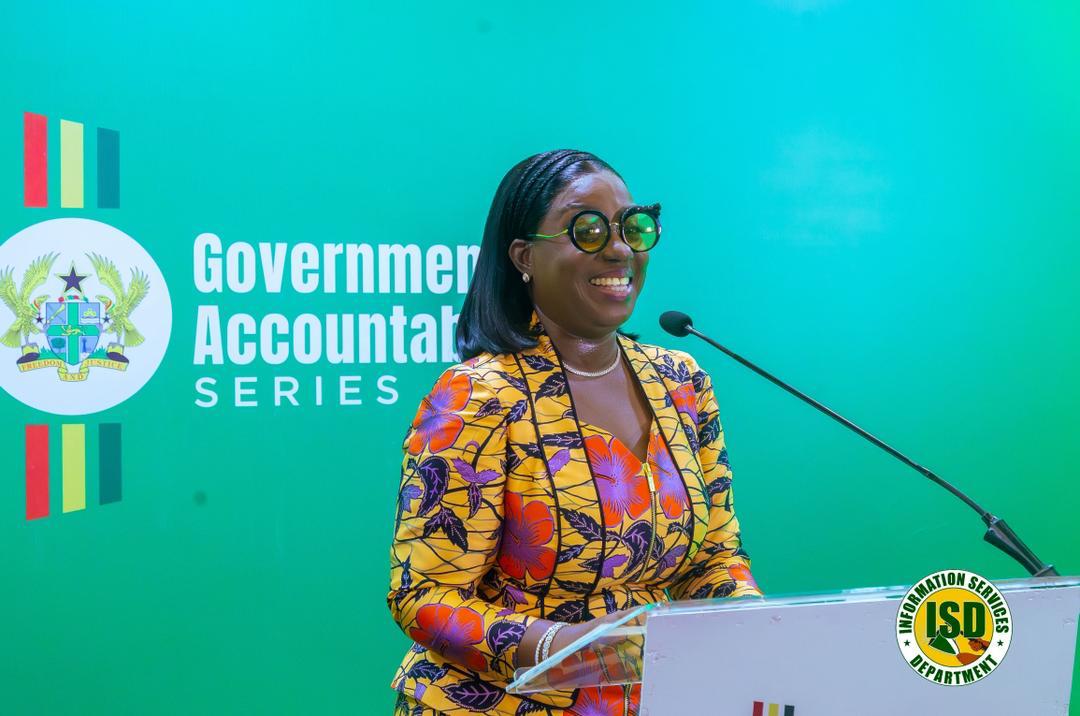
The investment was disclosed by the Administrator of the Trust Fund, Obuobia Darko-Opoku at the Government Accountability Series on Monday.
She said the training programme was being delivered through strategic partnerships with the Ghana College of Physicians and Surgeons, the Ghana College of Nurses and Midwives, and the Ghana College of Pharmacists, and that professionals being trained from all regions of the country would be required to return and serve in their local communities upon completing their programmes.
The decision to tie trained specialists to their home regions is a direct response to one of the most damaging features of Ghana’s healthcare landscape: the heavy concentration of specialist expertise in Accra and Kumasi, leaving other parts of the country severely underserved.
A nationwide needs assessment conducted by the Trust Fund across 21 facilities found that the entire northern sector of Ghana had only two practicing cardiologists serving millions of people. The assessment also found only two MRI machines and five mammogram machines across all 21 facilities surveyed.
Madam Darko-Opoku said the training initiative was one of four strategic pillars driving the Trust Fund’s mandate, alongside direct financial support for patients, investment in medical equipment and infrastructure, and support for medical research into the prevention and treatment of chronic diseases.
She noted the fund’s long-term vision included establishing at least three comprehensive cancer centres across the country, starting with the Ridge Hospital as a pilot, to provide integrated diagnostics, chemotherapy, radiotherapy, and advanced treatments.
The goal, she said, was to end a situation where cancer patients from across the country were forced to travel to Accra or Kumasi and wait between two and three months before receiving treatment.
Richard Aniagyei, ISD