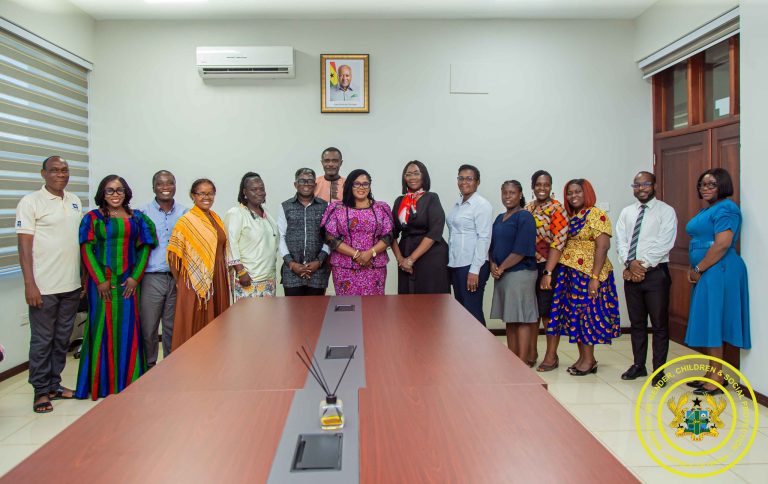
The Chief Director for the Ministry of Gender, Children, and Social Protection (MoGCSP), Dr Afisah Zakariah, has stated the government’s commitment to safeguarding the rights, dignity, and potential of every child through the National Strategic Framework (NSF).
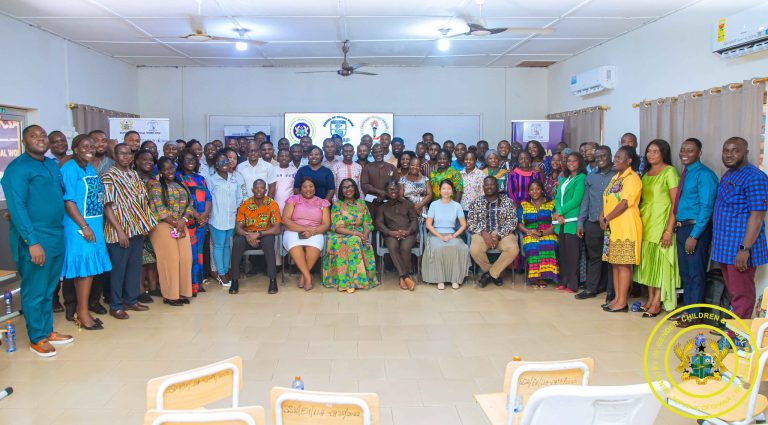
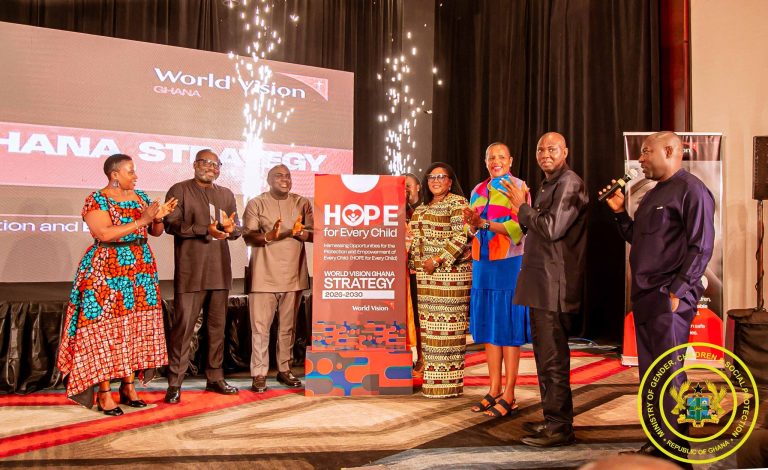
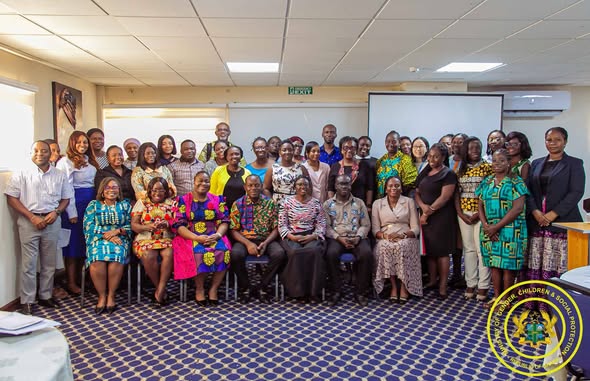
She stated this at a one-day consultative meeting on Wednesday in Accra, organised by MoGCSP’s Child Marriage Unit, in collaboration with UNFPA and UNICEF Ghana, to review and update the NSF on Ending Child Marriage and identify progress made towards the stated timeline for the elimination of the practice by 2030.
She noted that significant steps have been made in legislative and policy advancement, including the passage of the Affirmative Action Gender Equity Act, 2024 (Act 1121), the enactment of the Social Protection Act (Act 1148), and the enforcement of the Children’s Act.
Dr Zakariah said efforts have deepened the Ministry’s understanding of the structural vulnerabilities that contribute to child marriage in the country.
“This has necessitated a review and update of our strategic directions, particularly as only four years remain to achieve Sustainable Development Goal target 5.3 on ending child marriage by 2030,” she added.
Representatives from UNFPA and UNICEF Ghana highlighted the importance of evidence-based programming and strong partnerships in ending child marriage, noting that Phase III of the Global Programme focuses on scaling up proven interventions, strengthening systems, and amplifying the voices of adolescent girls to drive sustainable change.
Participants engaged in thorough discussions on priority actions, implementation strategies, and coordination mechanisms outlined in the framework.
The consultative process provided an opportunity for stakeholders to share insights, validate proposed interventions, and ensure that the revised framework reflects emerging realities, national development priorities, and the lived experiences of girls at risk of child marriage.
Grace Acheampong, ISD