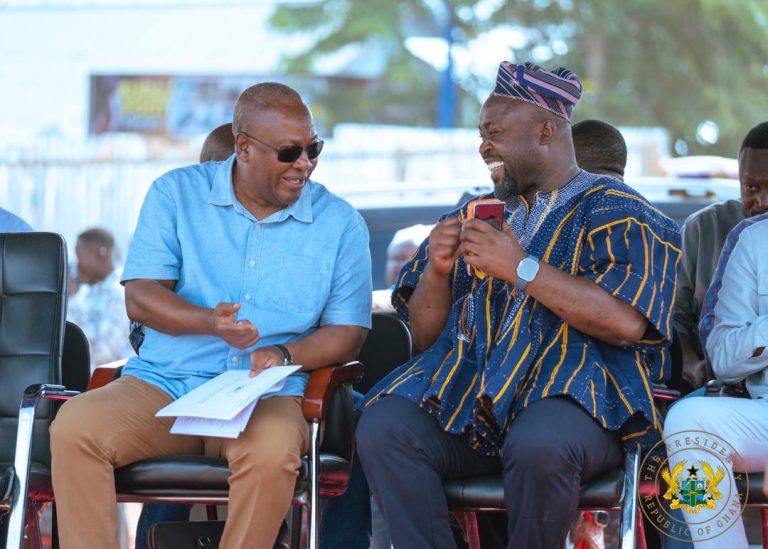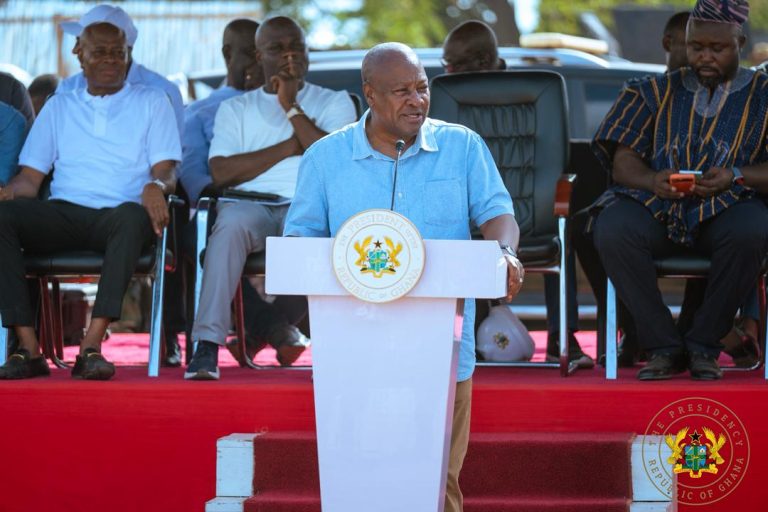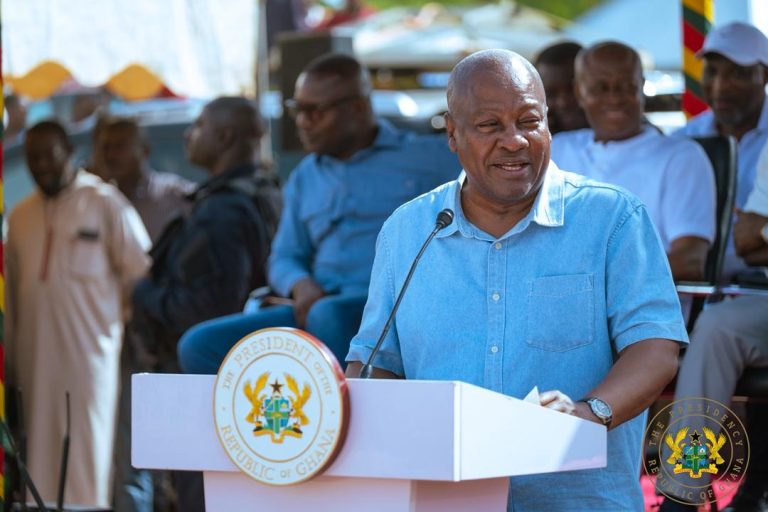
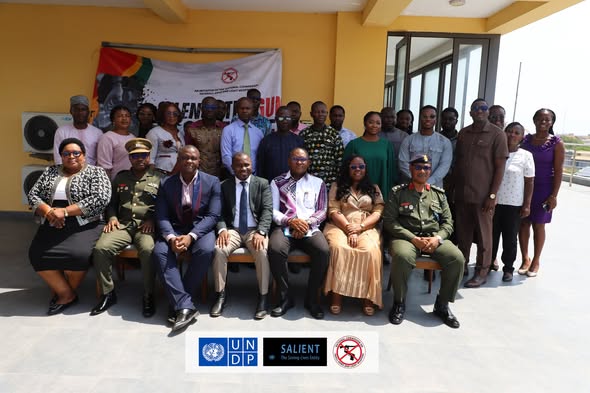
The National Commission on Small Arms and Light Weapons (NACSA) has commemorated World Children’s Day with a high-level national engagement on cognitive safety in children’s learning materials.
This forms part of NACSA’s preventative strategy to address early symbolic exposure to guns in Teaching and Learning Materials (TLMs), was on the theme “Disarming the Alphabet.”
The initiative identified a concern through the Commission’s PPRME early-warning survey, which discovered children’s books depicting “G is for Gun” and similar weapon illustrations circulating on the open market.
A Clinical Psychologist with the Ghana Psychology Council, Dr. Derek Oppong, speaking on the psychological dimension, emphasized the developmental dangers of normalizing guns through children’s books, cartoons, and digital media.
He explained how popular animations such as Tom and Jerry, video games like Call of Duty, and fictional depictions of arrows, bombs, and guns distort a child’s understanding of harm.
He noted that these portrayals often “misinterpret death as a reversible trance,” making violence appear trivial, humorous, or without consequence—a risk factor for curiosity, desensitization, and later behavioral imitation.
The Director of Instructional Resources at the National Council for Curriculum and Assessment (NaCCA), Madam Joana Vanderpuije, highlighted the urgent need for legal instruments to strengthen the authority of regulatory bodies to audit learning materials and enforcing compliance, acknowledging that many unscreened books enter the market through informal channels.
She commended NACSA’s leadership on the issue and called for a collaborative, nationwide field survey to identify and remove harmful TLMs.
A Security Analyst and Lecturer at the Kofi Annan International Peacekeeping Training Centre (KAIPTC), Dr. Victor Doke, connected early symbolic exposure to broader security threats.
He explained that national and regional trends show an escalation in youth involvement in gun proliferation, cultism, and violent peer-group influence.
Dr. Doke noted that sociocultural normalization through media, music, and social behavior “glamorizes guns and embeds them in youth identity formation,” enabling aggression to be expressed through firearms during conflicts.
The Commission is working with relevant partners to ensure cognitively safe TLMs for the betterment of Ghanaian children.
Judith Twumwaa, ISD