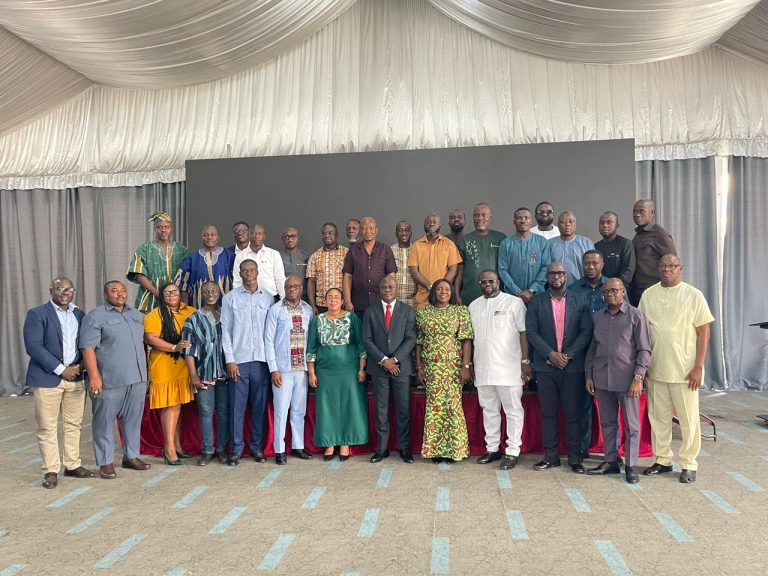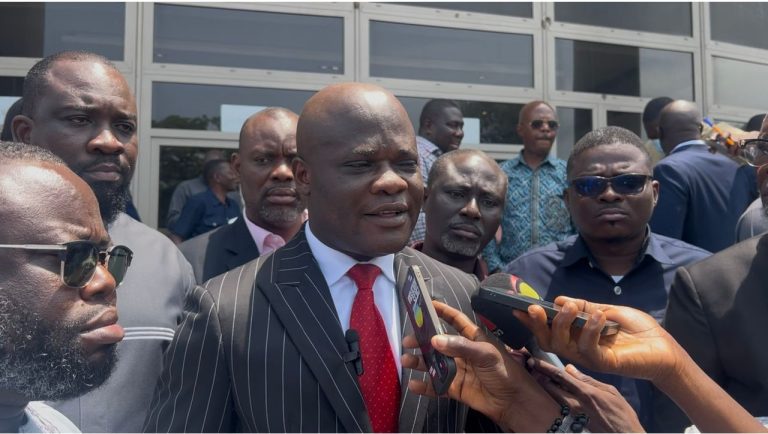
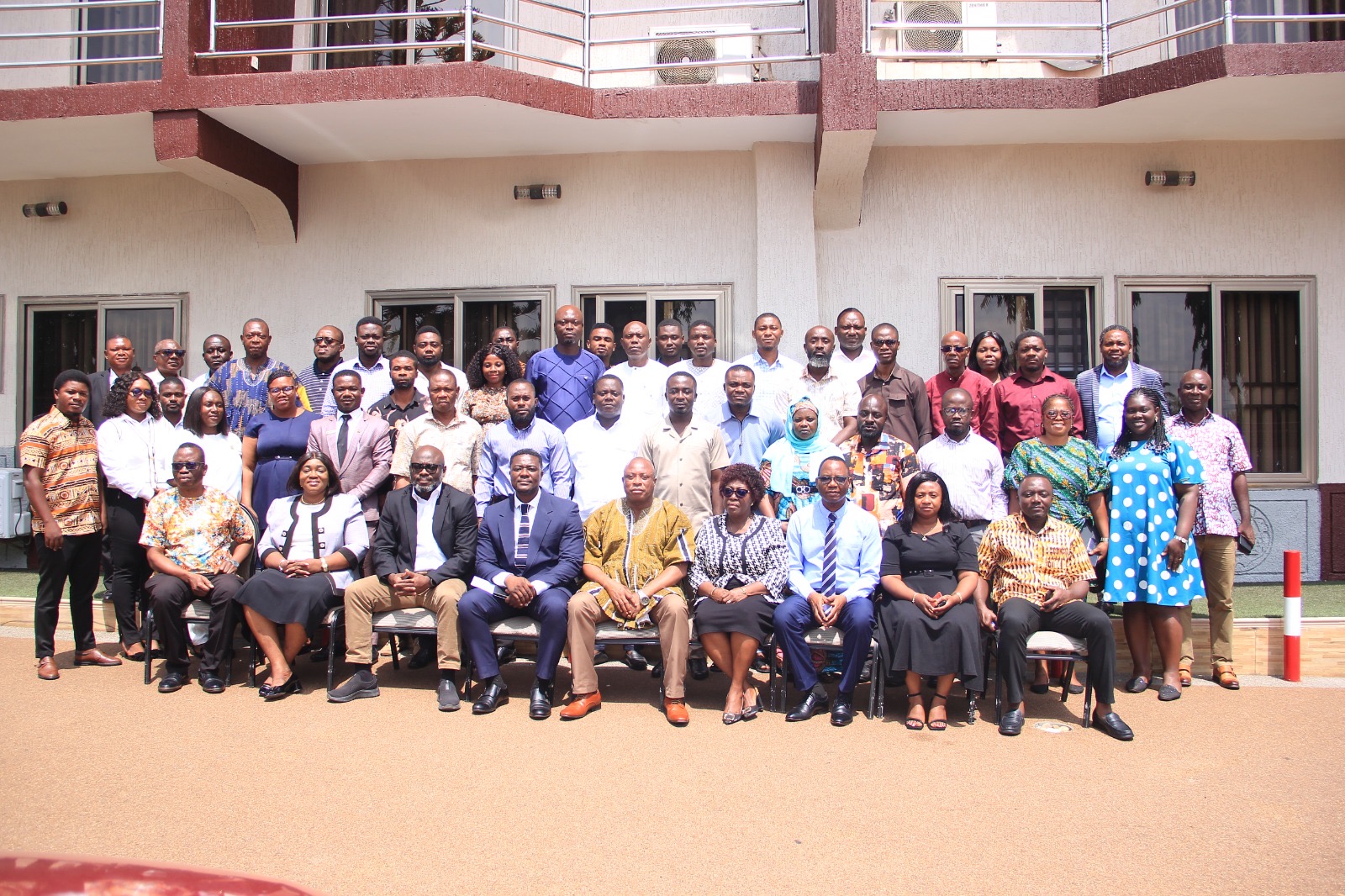
The Office of the Local Government Service (OHLGS) has launched a training workshop to build the capacity of 350 staff from 35 Municipal Assemblies participating in the Ghana Secondary Cities Support Programme on digital revenue collection and management.
The workshop, which targets 10 staff members from each participating Assembly, is being conducted in two batches, with the first batch running from February 16 to 20, 2026 in Kumasi.
Speaking at the opening, the Head of the Local Government Service, Prof Lord Mensah, said traditional revenue mobilization and management methods are no longer adequate, stressing that the future of effective local governance depends on technology adoption.
“Without adequate and proper utilisation of revenue, it becomes extremely difficult for the Assembly to provide quality services such as sanitation, education, health, and infrastructure,” Prof Mensah stated.
The training centers on the District Local Revenue (dL-Rev) software, equipping participants with skills in digital revenue collection, process automation, data accuracy, and transparency to boost public confidence in local governance.
Prof Mensah described the workshop as timely and strategic, noting that it contributes directly to the mission of the Local Government Service and the objectives of the Ghana Secondary Cities Support Programme in strengthening institutional capacity and promoting transparency.
In a speech read on his behalf, the Ashanti Regional Minister, Dr. Frank Amoakohene, stressed the role of the dL-Rev software in enhancing revenue management within Metropolitan, Municipal, and District Assemblies.
The Minister stated that many MMDAs still depend heavily on Central Government transfers, which are often insufficient and unpredictable, making the swift implementation of the dL-Rev software essential to enable Assemblies to generate adequate revenue and improve local service delivery.
Dr Amoakohene explained that the initiative forms part of the Ghana Secondary Cities Support Programme aimed at equipping local authorities with the necessary tools to mobilize and manage Internally Generated Funds effectively.
Participants were encouraged to embrace ICT as a supportive tool rather than a threat, with emphasis placed on collaboration among revenue collectors, finance officers, and management in driving the transition to digital systems.
The workshop is expected to modernize revenue mobilization practices, increase Internally Generated Funds, and support sustainable development within local communities across Ghana.
Joyce Adwoa Animia Ocran, ISD