The Minister for Labour, Jobs and Employment, Dr. Abdul-Rashid Hassan Pelpuo, has urged journalists for stronger accountability, gender inclusion, and ethical journalism in Africa’s extractive sector.
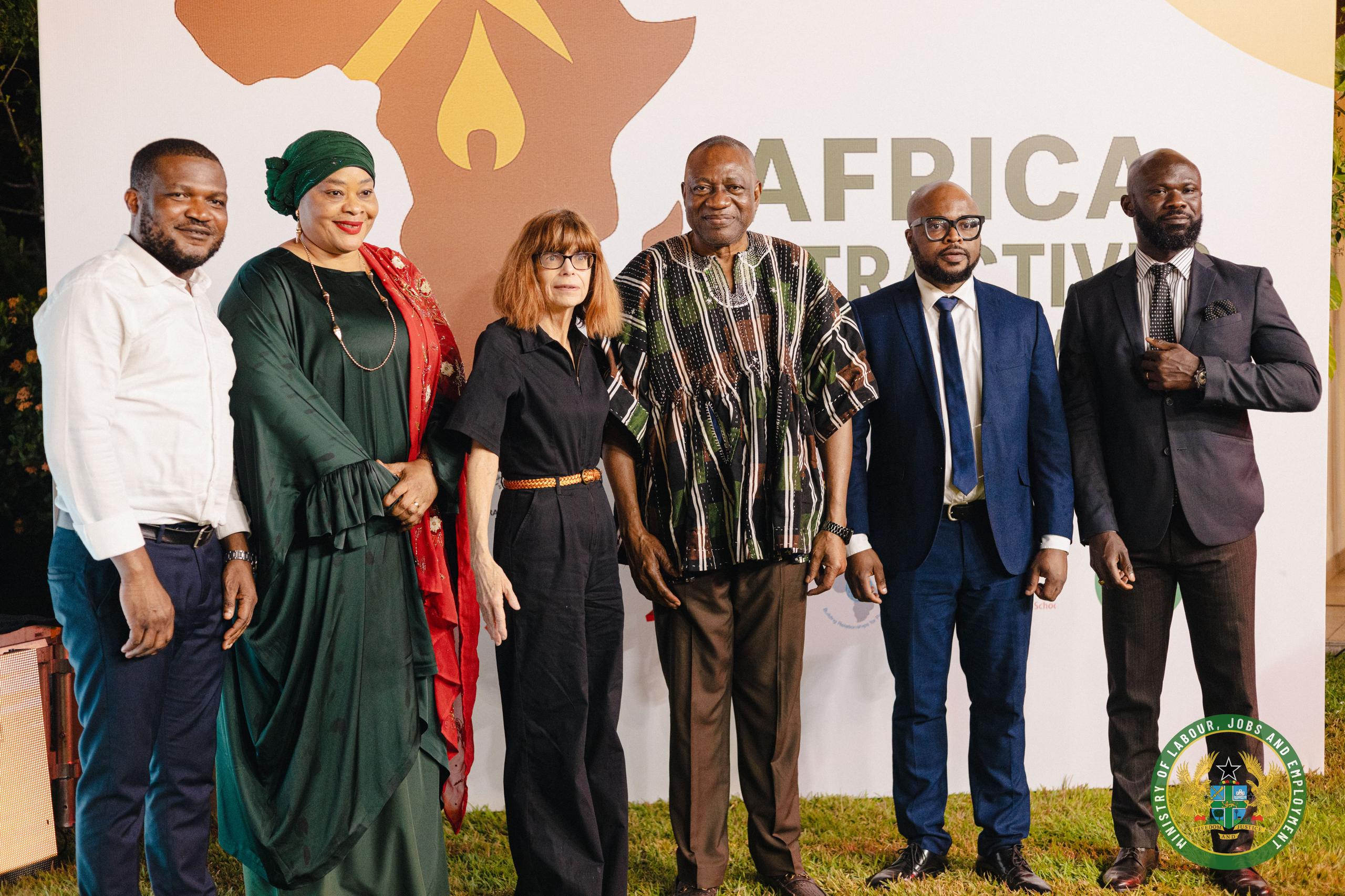
He made this call at the launch of the Africa Extractives Media Fellowship (AEMF) in Accra, describing the initiative as a transformative platform amplifying informed voices in natural resource governance.
He urged journalists to uphold accuracy, fairness, and balance in their reportage because Africa’s development narrative would be defined by how well it manages and tells the story of its resources.
According to Dr. Pelpuo, “Every story about extractives is ultimately a story about workers, job seekers and families whose lives depend on these industries, emphasizing that responsible reporting is central to driving inclusive and sustainable growth.”
The Australian High Commissioner to Ghana, Her Excellency Berenice Owen-Jones, noted that beyond mineral wealth, the Australia–Ghana partnership thrives on human connections fostered through education, capacity building, and professional exchanges, with over 500 Ghanaians benefitting from Australian Government scholarships.
She said “A responsive and inclusive media does more than inform but also holds power to account and fosters peace through understanding.
She noted that Australia pledges continued support for initiatives in advancing responsible journalism and gender equality.”
A Deputy Chief of Staff at the presidency, Nana Oye Bampoe Addo, commended the AEMF as a model of international collaboration and national development and lauded the fellowship’s focus on transparency, inclusion, and youth empowerment, describing it as vital to Ghana’s democratic growth and sustainable future.
“Government would continue to work with partners such as Australia and civil society to ensure that our extractive resources serve the interests of all Ghanaians as well as the future generation,” she said.
The Programme Leader of the Africa Extractives Media Fellowship, Mr. Kwakye Afreh Nuamah, revealed that the six-month programme expected to build capacity in data-driven reporting, sustainability, and gender-sensitive journalism attracted over 300 applications from journalists.
He added that the fellowship’s goal is to nurture a new generation of African journalists equipped to shape the continent’s extractive narrative with courage, accuracy, and empathy.
Priscilla Osei-Wusu Nimako, ISD