President John Dramani Mahama has announced plans to increase the District Assemblies Common Fund from 5% to 7.5-8% of gross national revenues over the next three years, with the additional 3% dedicated to education and health sectors.
According to the President, the move is aimed at helping Ghana meet UNESCO’s recommended minimum of 4% of GDP for education spending, a target the country currently falls short of.
He explained that the Constitution mandates the District Assembly Common Fund should be between 5% and 8% of gross national revenues, but noted that the previous government reduced it from 7.5% at the end of 2016 to 5%.
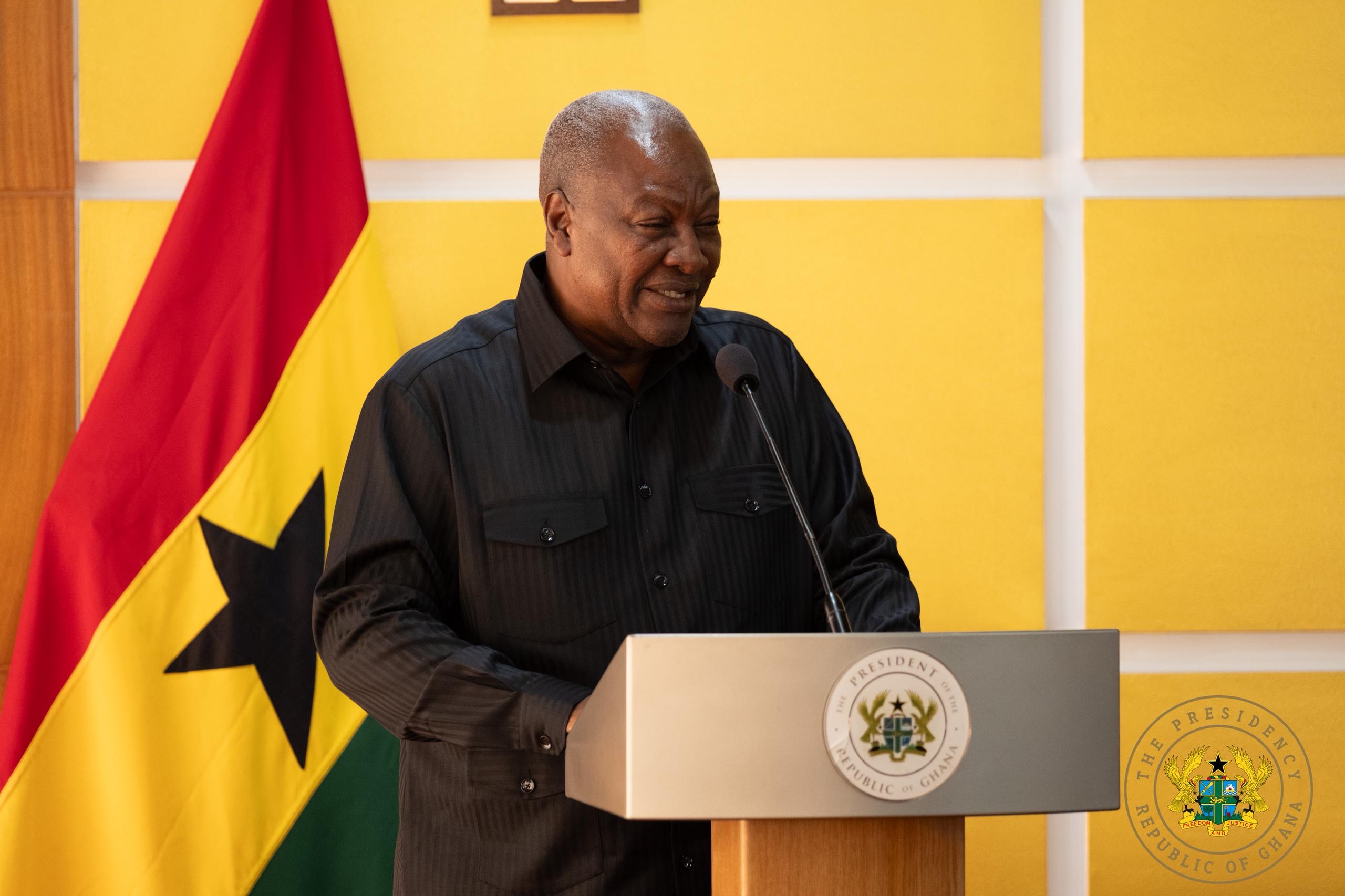
Speaking at the 7th Quadrennial National Delegates Conference of the Ghana National Association of Teachers in Accra on Monday, President Mahama said the government intends to increase the fund by 1% every year over the next three years to rebuild it to 7.5% or 8%.
“I want to allocate that extra three percent that goes to the district assemblies to the education and health sectors and once we do that we’ll be able to hit the UNESCO target of four percent dedicated funding for the education sector,” he said.
The President acknowledged that while the government has increased educational spending in 2026 by 10% over 2025 levels, current allocation amounts to only 3.1% of GDP.
“This falls short of the minimum 4 percent recommended by UNESCO,” President Mahama stated. “We’ll continue to increase education spending over the next three years to meet the UNESCO targets.”
He emphasized that every cedi allocated to education must be spent efficiently to realize the full value of the investment.
According to the President, the District Assemblies Common Fund also has its own budget separate from the Ministry of Education, with assemblies supposed to build two senior high schools and two basic schools every year, including kindergartens.
The President noted that the country has emerged from a period of severe economic crisis characterized by a debt crisis, macroeconomic instability, high inflation, and a weakening currency.
“While prudent management of the economy has yielded positive results, there’s still much work to do,” he said, adding that the government remains committed to progressively increasing education funding to international standards.
Richard Aniagyei, ISD