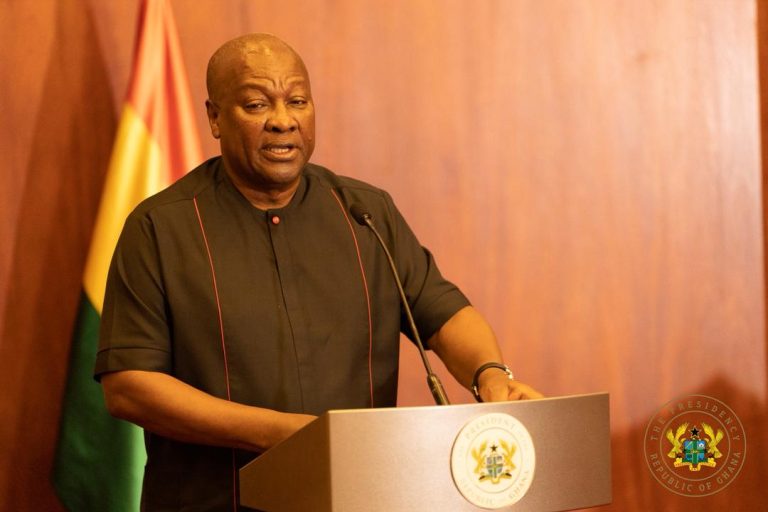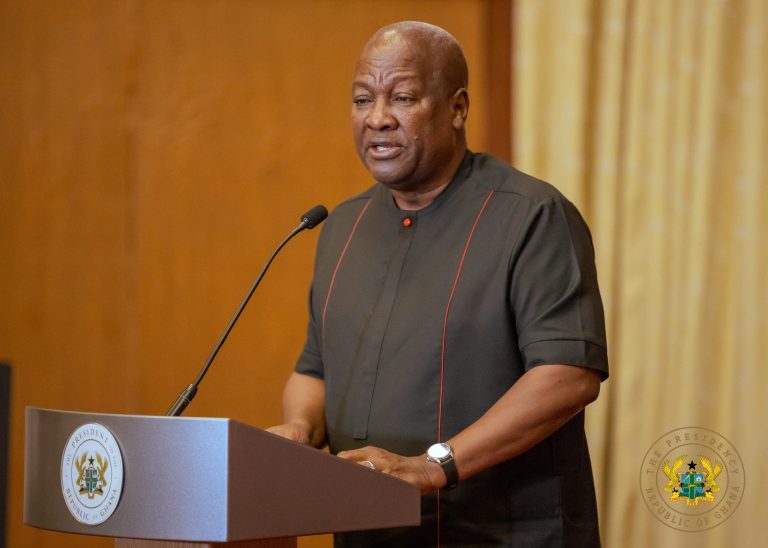
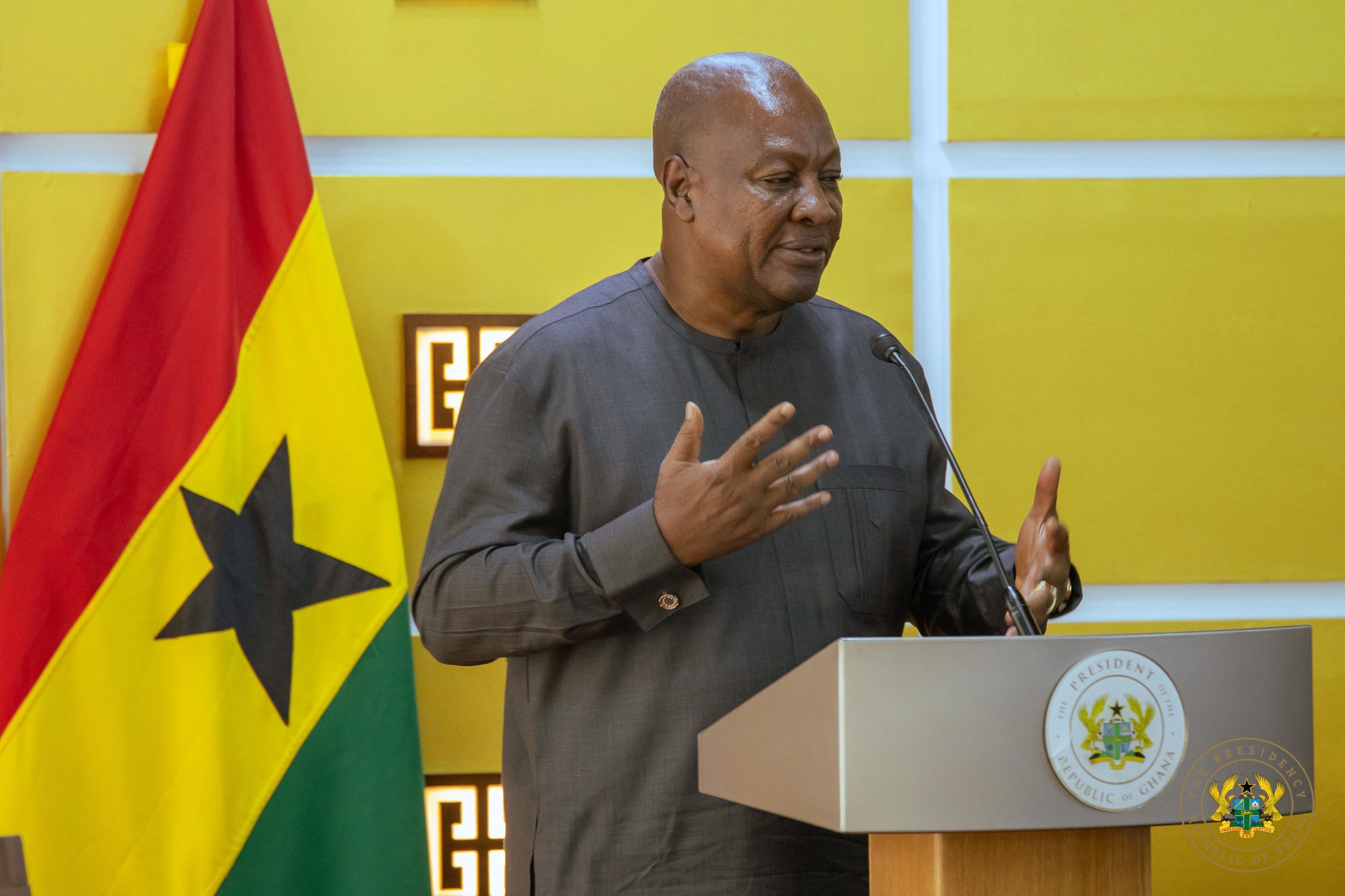
President John Dramani Mahama has announced that the government will completely abolish the double-track system in senior high schools by the end of 2026 through a focused intervention called the Ghana Secondary Learning Improvement Project.
Addressing delegates at the 7th Quadrennial National Delegates Conference of the Ghana National Association of Teachers in Accra on Monday, the President said 100 schools have already reverted to single track operations.
“The government remains firmly committed to abolishing the double track system entirely through a focused two-year intervention, which we call the Ghana Secondary Learning Improvement Project, GSLIP,” President Mahama said. “This project will improve access and quality and restore full-time schooling for all students.”
He explained that 2025 and 2026 are the implementation years for the project.
“By the time we finish implementation, there will be no secondary school implementing double track in this country,” the President stated.
According to President Mahama, while the Free Senior High School policy has expanded access to education, honest assessment reveals limitations in its current form.
“Access without quality is incomplete progress,” he said. “The double track system, though a temporary response to capacity constraints, has reduced teacher contact hours and strained both teachers and infrastructure.”
He added that the government is taking decisive action to address these challenges through substantial resource commitments in the 2026 budget.
The President announced that the government is upgrading 30 Category C senior high schools to Category B schools, expanding facilities in Category B and A schools to accommodate more students, and completing 30 abandoned e-blocks across the country to increase capacity.
He said the government is also constructing new community day schools in high-density population areas where students can live at home and commute to school while still receiving one hot meal daily.
“These will be high quality schools, but the students, because they are in the urban population, do not need to go and stay on campus. They can commute to school every day,” President Mahama explained.
The President noted that in 2025 alone, the Free SHS programme received GH¢3.5 billion under GETFund, which he said is the highest allocation since the programme’s inception.
He stated that this increased funding has strengthened logistics, feeding, and learning conditions in secondary schools, enabling the transition away from the double-track system.
Richard Aniagyei, ISD