
The government has stated its commitment to protecting the rights and Livelihoods of Rural Fishers to ensure the growth of the aquaculture industry.
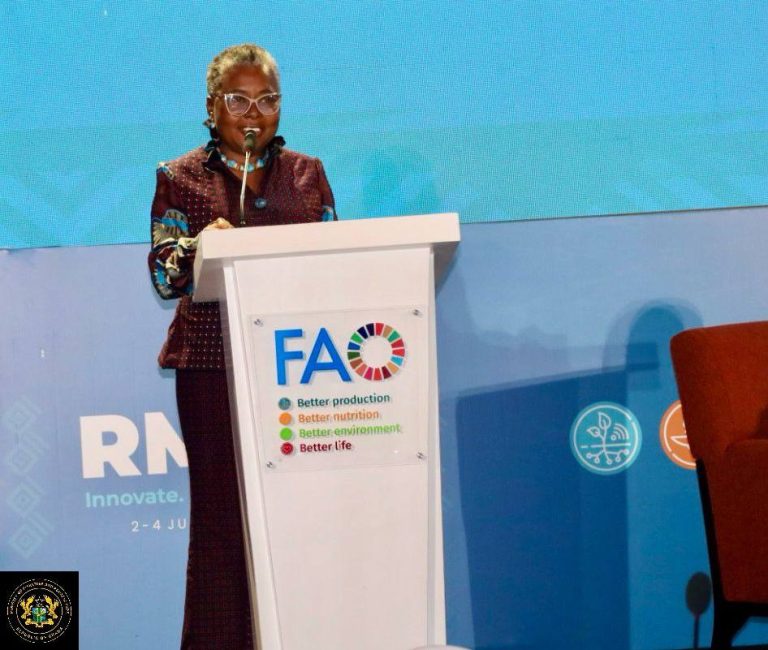
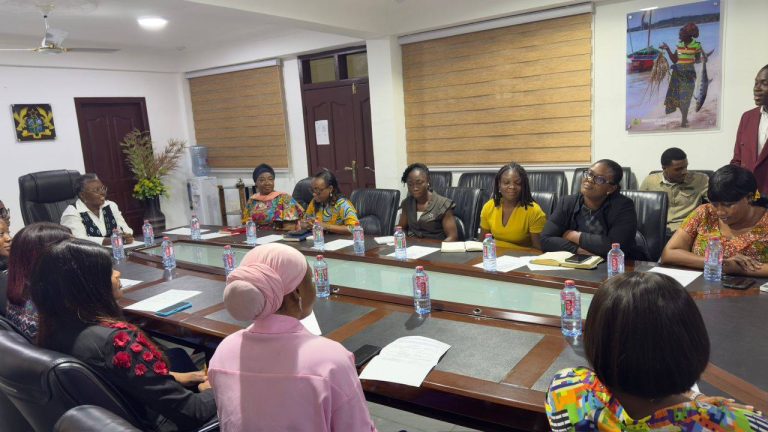
Speaking on behalf of the Fisheries Minister in a meeting with the United Nations Working Group on the Rights of Peasants and Other People Working in Rural Areas held on Sunday, the Director of Administration at the Ministry, Madam Rosemary Abbey, confirmed this.
Discussions focused on Ghana’s progress in protecting the livelihoods of small-scale and rural fishers, with particular attention to legal frameworks, enforcement mechanisms, and community participation in decision-making.
Madam Rosemary Abbey stated that the Government remains fully committed to protecting the livelihoods of coastal and rural fishing communities and that recent legislative and enforcement measures reflect that commitment.
She highlighted the enactment of the Fisheries and Aquaculture Act, 2025 (Act 1146) as a landmark development in the protection of Ghana’s fisheries sector, adding that the Act is specifically designed to combat illegal fishing by prohibiting destructive methods, including light fishing, the use of chemicals, and monofilament nets.
Madam Abbey indicated that the Act also provides for the sustainable exploitation of marine life through ecosystem-based management and enhances the participation of local fishing communities in decisions that affect their livelihoods.
She said the Fisheries Enforcement Unit is being strengthened to improve intelligence gathering and surveillance, while Landing Beach Enforcement Committees are being established to promote community-led monitoring at the local level.
She further disclosed that the Fisheries Commission is currently developing specific regulations covering gear mesh sizes, fishing seasons, and landing requirements, all aimed at ensuring long-term stability in the sector.
She also noted that the enforcement of the Inshore Exclusion Zone remains a priority measure to protect small-scale fishers from encroachment by large industrial trawlers and called on all stakeholders in the fisheries sector, including fishing communities, industry operators, and development partners, to support the effective implementation of Act 1146 and to cooperate with enforcement authorities in the fight against illegal fishing practices.
The UN Working Group commended Ghana for its proactive stance against Illegal, Unreported, and Unregulated fishing, describing the country’s approach as a model of collaborative governance between government and stakeholders.
The delegation noted that the fisheries sector remains a critical backbone of Ghana’s rural economy and encouraged the continued alignment of aquaculture development with the rights and welfare of rural workers.
Adwoa Koramah Anokye-Gyimah, ISD