Ghana has produced a draft regional framework for counter-terrorism cooperation in the Sahel and is circulating it to partners for consideration, President John Dramani Mahama has announced, as the country attempts to fill the security vacuum left by the collapse of the Accra Initiative following coups in Mali, Burkina Faso and Niger.
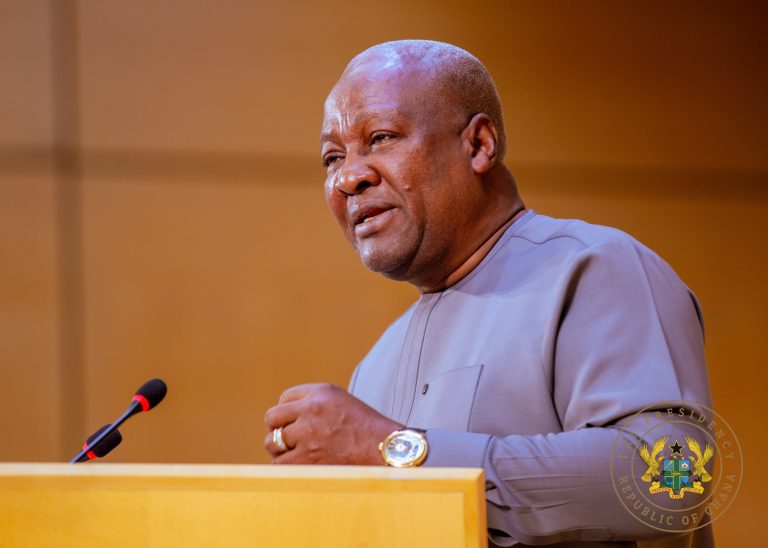
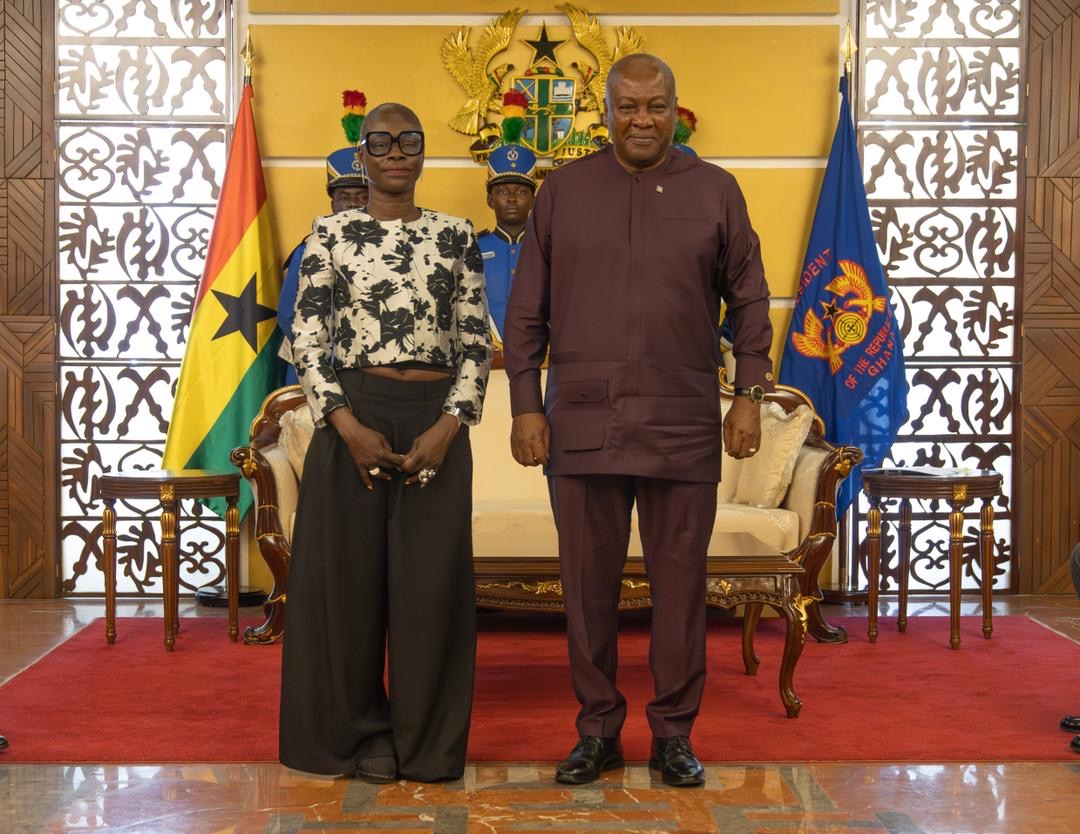
President Mahama made the announcement at a credentials ceremony for the incoming French Ambassador-Designate, H.E. Diarra Dime Labille, where he described the spreading terrorist threat in the Sahel as a cancer that could consume the entire African continent if left unchecked.
“Terrorism is like a cancer. If you don’t deal with it effectively, it spreads,” he said. “What is happening in the Sahel has the capacity to affect the whole of Africa because you have Central Africa and even all the way down to Mozambique. If these cancer cells join together, then that will be the end of Africa as we know it.”
The three Sahel countries, Mali, Burkina Faso and Niger, had all but withdrawn from the Accra Initiative, the regional security cooperation framework that had been Ghana’s primary vehicle for coordinating the fight against terrorism in the sub-region.
President Mahama said Ghana had responded by going directly to the three governments, with personal visits to all three countries since he assumed the ECOWAS chairmanship, including a second trip to Mali.
Those visits helped create what he described as a rapprochement, enough of an opening to convene two follow-up meetings in Accra.
The first was a summit on Sahelian security, the second a gathering of special envoys. Both, he said, were successful and produced the draft framework now being shared with partners.
President Mahama said France was a valued partner in this effort, pointing to an existing intelligence sharing and training cooperation between the two countries on counter-terrorism that he said Ghana intended to maintain and build on.
He said the goal was to create a new collaboration framework broad enough to bring in all countries willing to join the fight, regardless of their political arrangements, arguing that the scale of the terrorist threat in the Sahel left no room for narrow or exclusive approaches to the problem.
Richard Aniagyei, ISD