For decades, Africa has arrived at global health negotiations with goodwill and left with conditionalities. President John Dramani Mahama wants that to end, and he has put a clock on it.
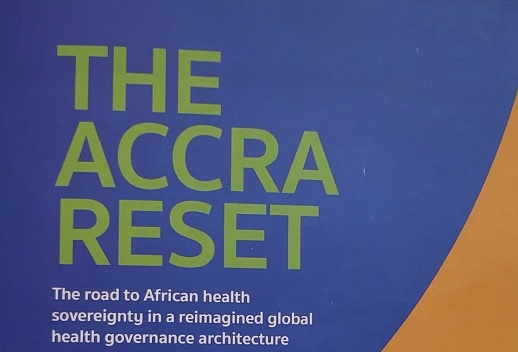
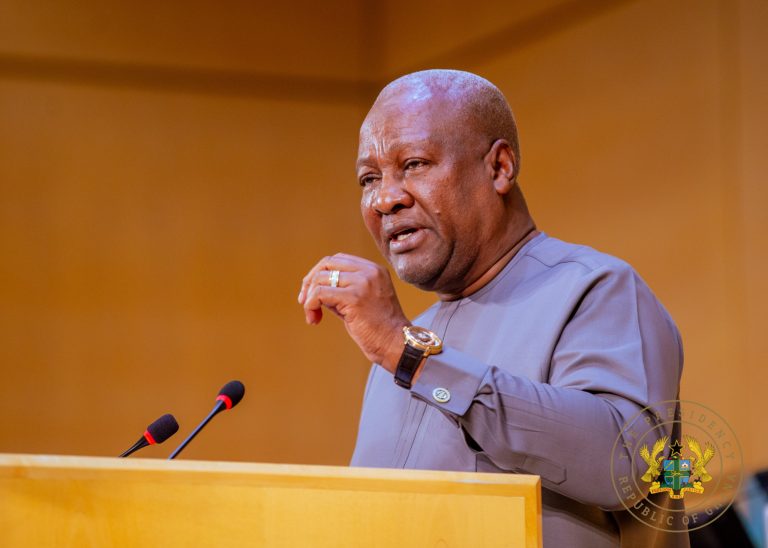
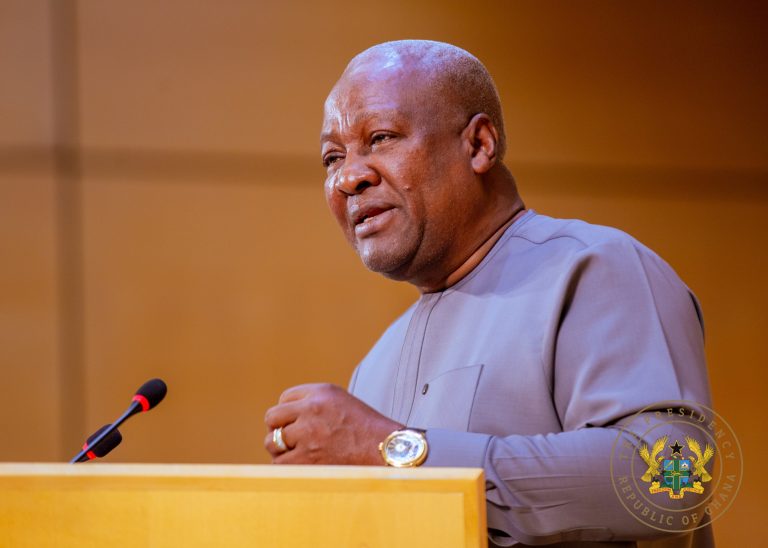
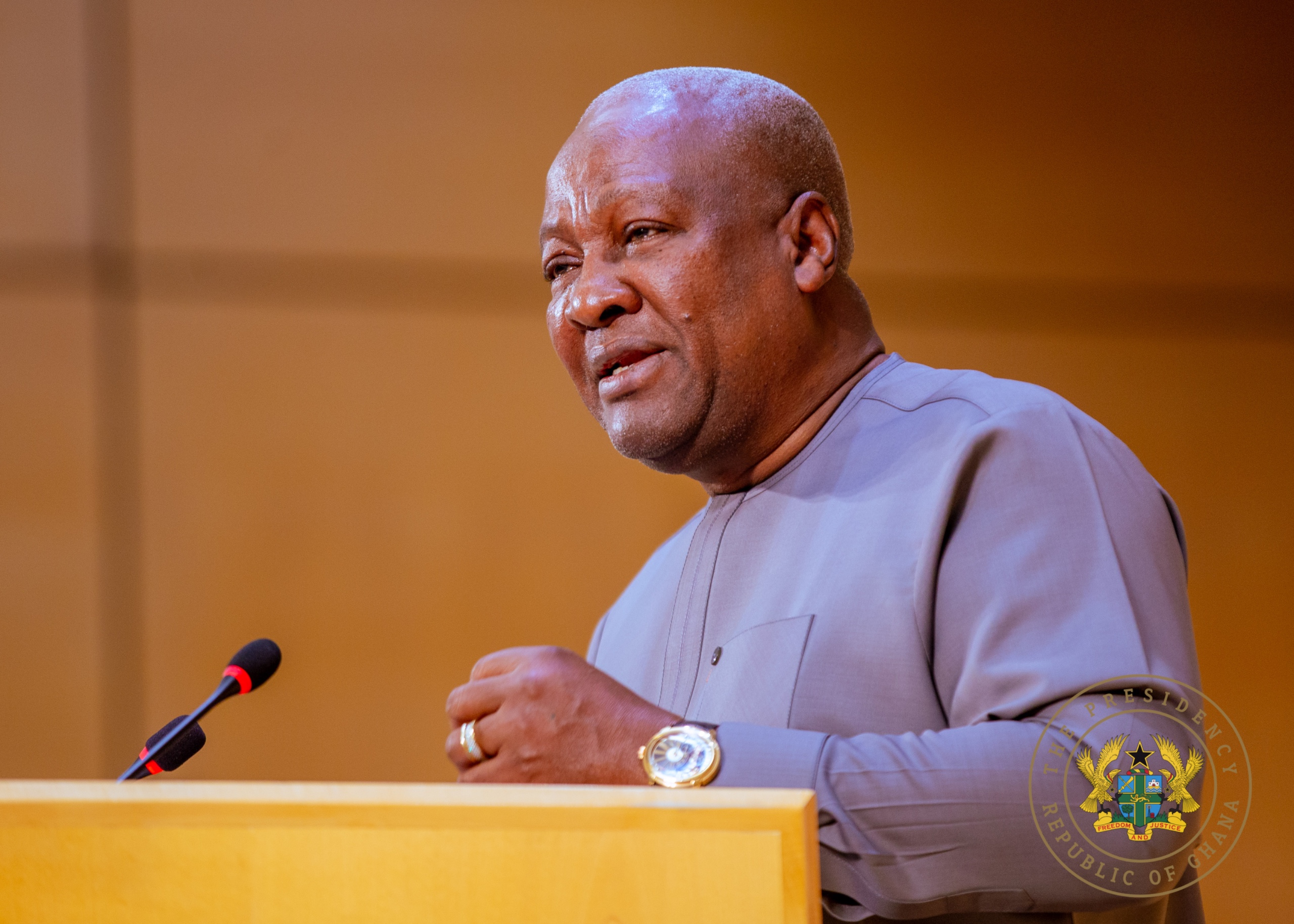
Hosting the Accra Reset High-Level Geneva Convening on the sidelines of the 79th World Health Assembly on Monday, President Mahama told world health leaders that Africa holds over $2 trillion in investable funds and no longer needs to wait on external partners to drive its own development.
“What is missing are investment-ready pipelines,” he said.
President Mahama said the Accra Reset’s Health Investment National Gateway, which he labelled as “a deal room, not a boardroom,” is designed to build exactly those pipelines.
He set a two-year deadline to deliver bankable, co-financed deals focused on maternal health and bio-innovation, and called on the International Finance Corporation, Agence Française de Développement, and the African Export-Import Bank to anchor the first structured deal before the UN General Assembly in September.
“24 months, not 24 years of communiques. Not 24 validation workshops. We cannot afford a leisurely pace when 182,000 women in sub-Saharan Africa are going to die this year in childbirth,” he stated.
President Mahama argued that the global health architecture built in 1948, when most of Africa was still under colonial rule, was designed on the assumption that financing comes from outside and Africa is simply the consumer.
With $2 trillion in investable funds now on the continent, he said that assumption no longer holds.
In a single address, he announced three new Accra Reset structures: an 18-member High-Level Panel reporting directly to heads of state; a Reform Interlochen Observatory to track reforms at the WHO, Gavi, and the Global Fund simultaneously; and the Sankuri Institute of Global Negotiators, launched last week in Kigali, to train African delegations in technology transfer and voluntary licensing negotiations.
“We are tired of arriving at procurement tables with nothing but goodwill, only to leave with shackling conditionalities,” President Mahama said.
On the domestic front, Ghana’s 2026 budget allocates $3.4 billion to healthcare. The country has launched free primary healthcare using its own funding, expanded National Health Insurance coverage to 66 percent, and is establishing a cardiac center for its five northern regions, which currently have none.
President Mahama also defended multilateral institutions against recent donor withdrawals, pointing to the Ebola outbreak in Congo as evidence of their continued relevance. “The institutions some thought were not fit for purpose are the same ones being relied upon today to safely evacuate citizens and respond to outbreaks,” he said.
He referenced the 1955 Bandung Conference, where a small Indonesian vaccine institute quietly grew into Biopharma, today the largest vaccine producer in Southeast Asia, supplying 150 countries.
“There are two stories of Bandung. The Bandung where beautiful speeches were made. And the Bandung where a little investment in vaccine science built a global vaccine powerhouse.
“Tonight, we must reach back to the spirit of Bandung and march forward, claiming our sovereignty. We are stretching forth our hands and claiming our destiny. And let our partners march along with us,” President Mahama said.
The Accra Reset’s Guardian Circle includes former Nigerian President Olusegun Obasanjo, former Liberian President Ellen Johnson Sirleaf and former Norwegian Prime Minister Gro Harlem Brundtland.
Richard Aniagyei, ISD