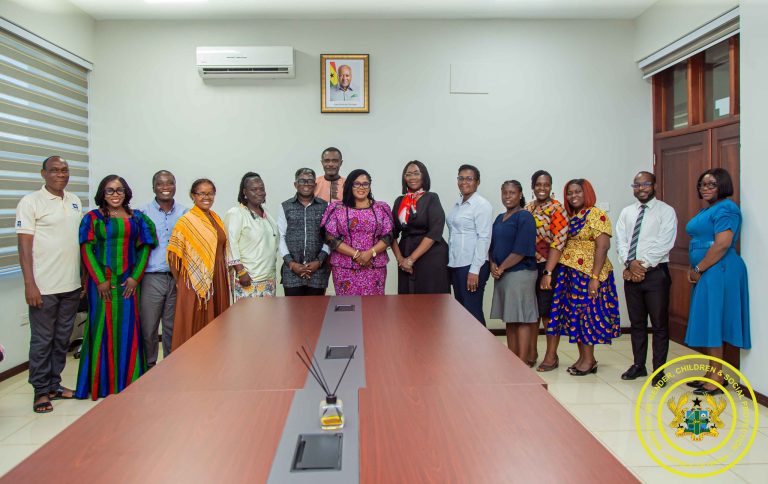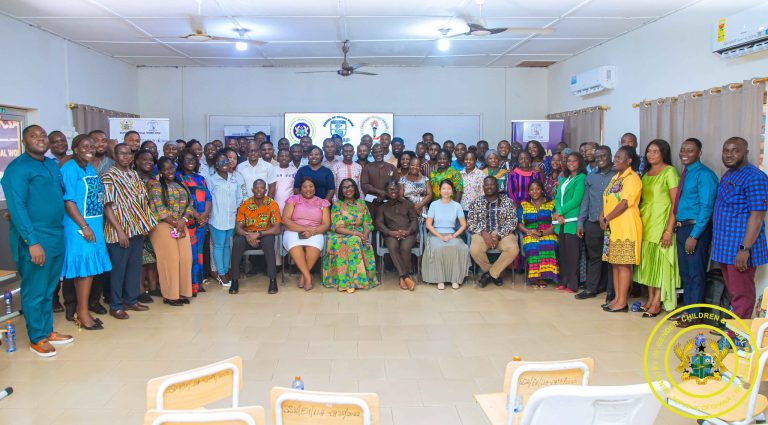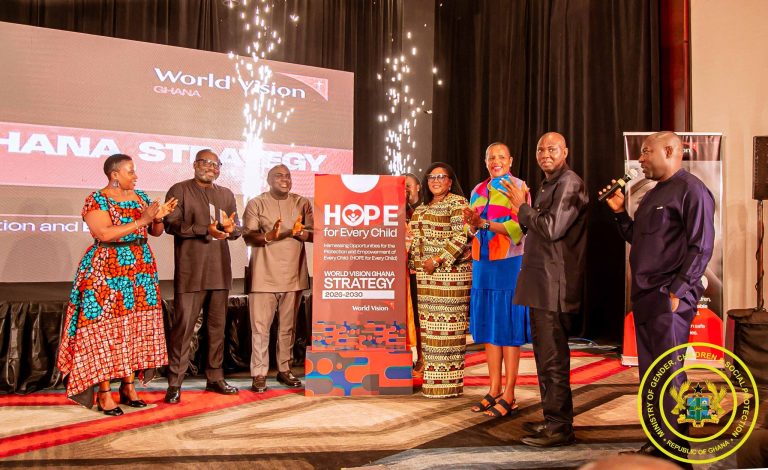

The Ministry of Gender, Children and Social Protection and the United Nations Population Fund have commemorated the International Day of Zero Tolerance for Female Genital Mutilation with the theme, “Sustaining Ghana’s Progress towards ending Female Genital Mutilation.”
In a press statement on Friday in Accra, the ministry said that Female Genital Mutilation is neither a cultural rite nor a private family practice. It is a violation of the fundamental rights of women and girls and tends to cause irreversible harm to life, health, and freedom from cruel treatment. The consequences are long-term and cumulative.
It added that Ghana took a decisive stand against female genital mutilation more than three decades ago. Its criminalisation in the mid-1990s, strengthened by subsequent legal amendments, established a clear national standard and contributed to a marked decline in prevalence. The law affirmed that violence against girls, even when justified as tradition, would not be tolerated.
“However, the Ministry, UNFPA, and other stakeholders have realised that legislative success has created new and complex challenges regarding the cross-border practice of FGM. Rather than abandoning FGM, babies and girls are taken across the national borders into neighbouring countries to evade Ghana’s legal framework. This cross-border shift pushes the practice into secrecy, complicates detection and enforcement, and exposes girls to more dangers the law was meant to prevent,” it emphasised.
It added that the FGM remains most persistent in parts of the Upper East and Upper West. Savannah and Bono Regions, particularly around border districts and communities, where family ties, social norms, and mobility extend beyond national boundaries. Girls from households affected by poverty, migration, displacement, or limited access to education face heightened risk.
“Globally, more than 230 million girls and women are living with the consequences of female genital mutilation. Current projections indicate that without renewed political commitment and investment, an additional 23 million girls could be subjected to the practice by 2030. For Ghana, these figures serve as a stark warning that the gains achieved over the past 30 years are fragile and reversible. This underscores the urgent need for national action involving traditional and religious leaders, CSOs, Development Partners, and all well-meaning Ghanaians”
It said this year’s theme, “Towards 2030: No End to Female Genital Mutilation without Sustained Commitment and Investment,” reflects Ghana’s lived reality. Adding that legal reform alone cannot end the practice. Lasting change requires continuous engagement with communities, traditional and religious leaders, civil society organisations, health workers, educators, and law enforcement agencies. It also requires predictable and flexible funding to sustain prevention, protection, and response efforts over time.
It stated that the Ministry of Gender, Children and Social Protection, working in partnership with UNFPA and other stakeholders, is strengthening community-based surveillance in high-risk areas, expanding safe spaces for girls, and integrating FGM prevention into education, sexual and reproductive health services, child protection, and social welfare programs.
Adding that efforts are also underway to improve cross-border collaboration and information-sharing to prevent girls from being taken outside Ghana for FGM.
“The Ministry of Gender, Children, and Social Protection is calling for the enforcement of the law while committing to engaging more closely with affected communities to prevent and protect vulnerable girls from any harmful practices.
“As Ghana marks the International Day of Zero Tolerance for Female Genital Mutilation, the Ministry and UNFPA urge the public to recognise FGM as a present and evolving risk, not a practice of the past. Ending FGM requires stronger cross-border cooperation, consistent funding for community-led initiatives, and active participation from families, professionals, traditional leaders, and young people. Every action taken today strengthens protection for girls and brings Ghana closer to a future where female genital mutilation no longer exists,” It stated.
Grace Acheampong, ISD