African Leaders Declare New Global Health Order at Accra Summit

African leaders have declared the need for a reimagined global health order that empowers nations to lead resilient and self-sustaining health responses, marking a shift away from traditional donor-dependent models toward investment-driven systems.
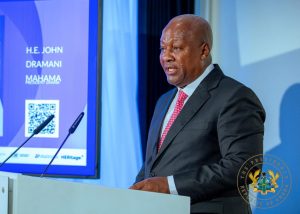
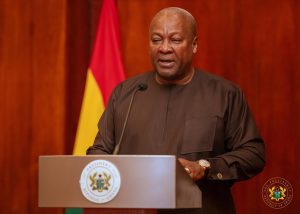
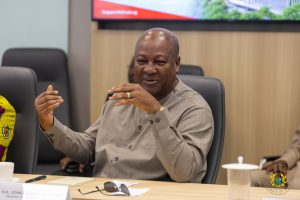
The declaration emerged from the Africa Health Sovereignty Summit held on August 5, 2025, in Accra, where President John Dramani Mahama joined former presidents and continental health leaders to chart what they called “a transformative path for global health financing and governance.”
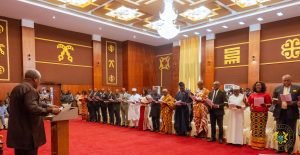
The summit participants, including former Nigerian President Olusegun Obasanjo, former Liberian President Ellen Johnson Sirleaf, former Mauritius President Ameenah Gurib-Fakim, AU Commissioner for Health Amma Twum-Amoah, and WHO Director-General Dr. Tedros Ghebreyesus, formally endorsed the Accra Initiative after recognizing that “the current global health architecture faces funding shortfalls, fragmented leadership, and inequities that disproportionately affect the world’s poorest and most vulnerable populations.”
In their declaration, the leaders positioned health within a broader economic transformation agenda, stating that “health is treated as a foundational sector that strengthens labour productivity, drives innovation, and catalyses value chains across diagnostics, biotechnology, pharmaceuticals, logistics, and digital infrastructure.”
They declared that health “serves as a strategic lens through which wider continental ambitions for industrialisation, trade integration, and geo-economic sovereignty can be pursued.”
The Accra Initiative declaration endorsed specific principles for reimagining global health governance, including improving continental leadership and national accountability, ensuring equity and transparency in decision-making, securing diversified and sustainable financing from domestic and private sources, and positioning health as a productivity driver within economic policy.
The declaration also called for embedding “Africa-led standards, data sovereignty, and manufacturing in continental value chains.”
The leaders declared the formation of a Presidential High-Level Panel for further engagement on developing a framework for the reimagined global health architecture and creating a roadmap for national implementation with strengthened coordination among international development partners.
Building on what they called “Africa’s proven legacy of health leadership,” the summit declared the launch of the SUSTAIN Initiative, described as “a framework designed to promote country-owned, investment-driven, and sustainable health systems.”
The initiative aims to bridge the funding gap arising from declining external aid by mobilizing domestic resources and engaging the private sector.
The declaration positioned SUSTAIN as “a vehicle for a broader reimagining of Africa’s place in the world,” linking sovereign health systems to wider capabilities in trade, data governance, and industrial policy.
The framework will embed health sovereignty into Africa’s continental economic platforms, including the AU’s 4D framework, the PROPER platform for supply chain traceability, the PanaBIOS digital certification system, and the AfCFTA Hub.
The leaders declared that these platforms complement SUSTAIN as an operational framework to transition from donor volatility toward investment-led, nationally financed systems.
They stated that the Accra Initiative marks a step toward securing a healthier, more equitable future for all, reinforcing collective responsibility and innovative approaches to global health governance.
Beyond health, the declaration positions the Accra Initiative as both a reference point and contributor to the broader discussions around reforming multilateralism, global cooperation and development for a sustainable, post-aid world.
Richard Aniagyei, ISD