Africa does not want to be rescued. It wants to be respected.
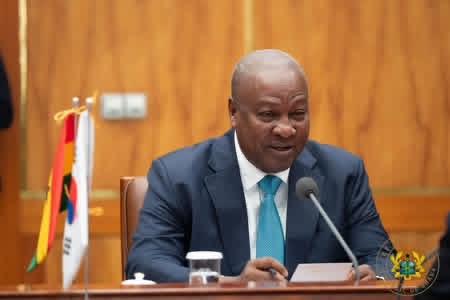
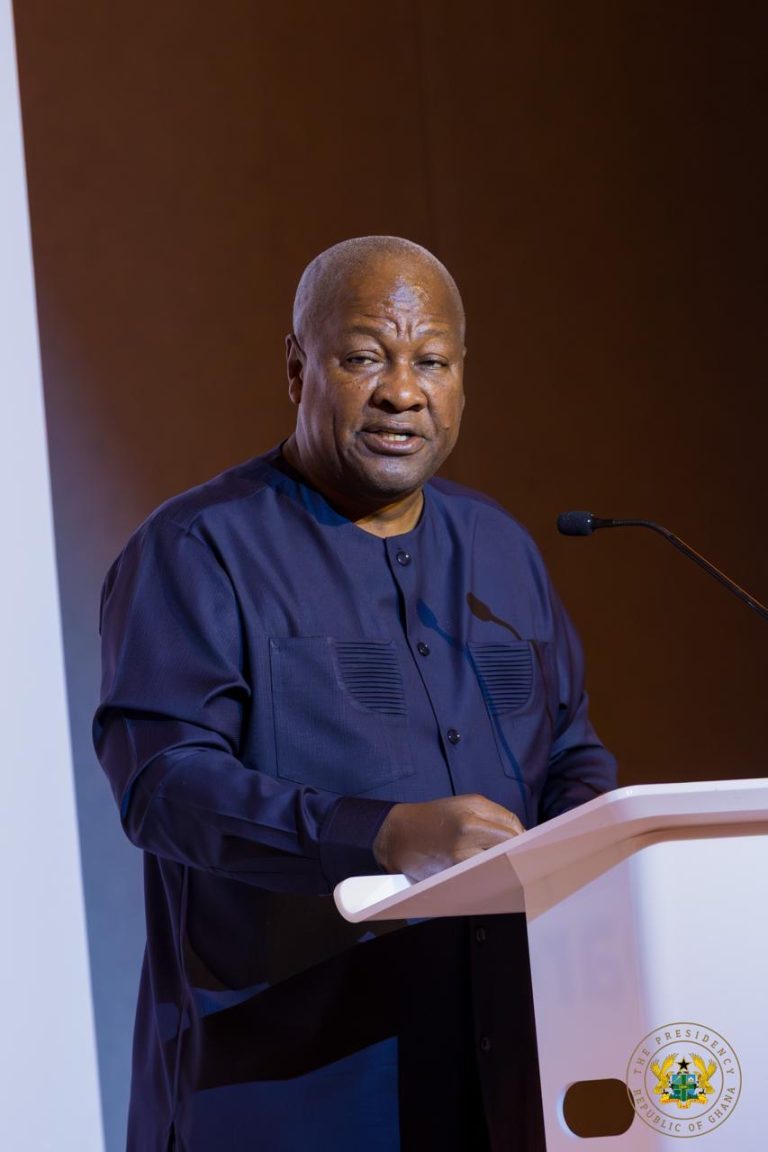
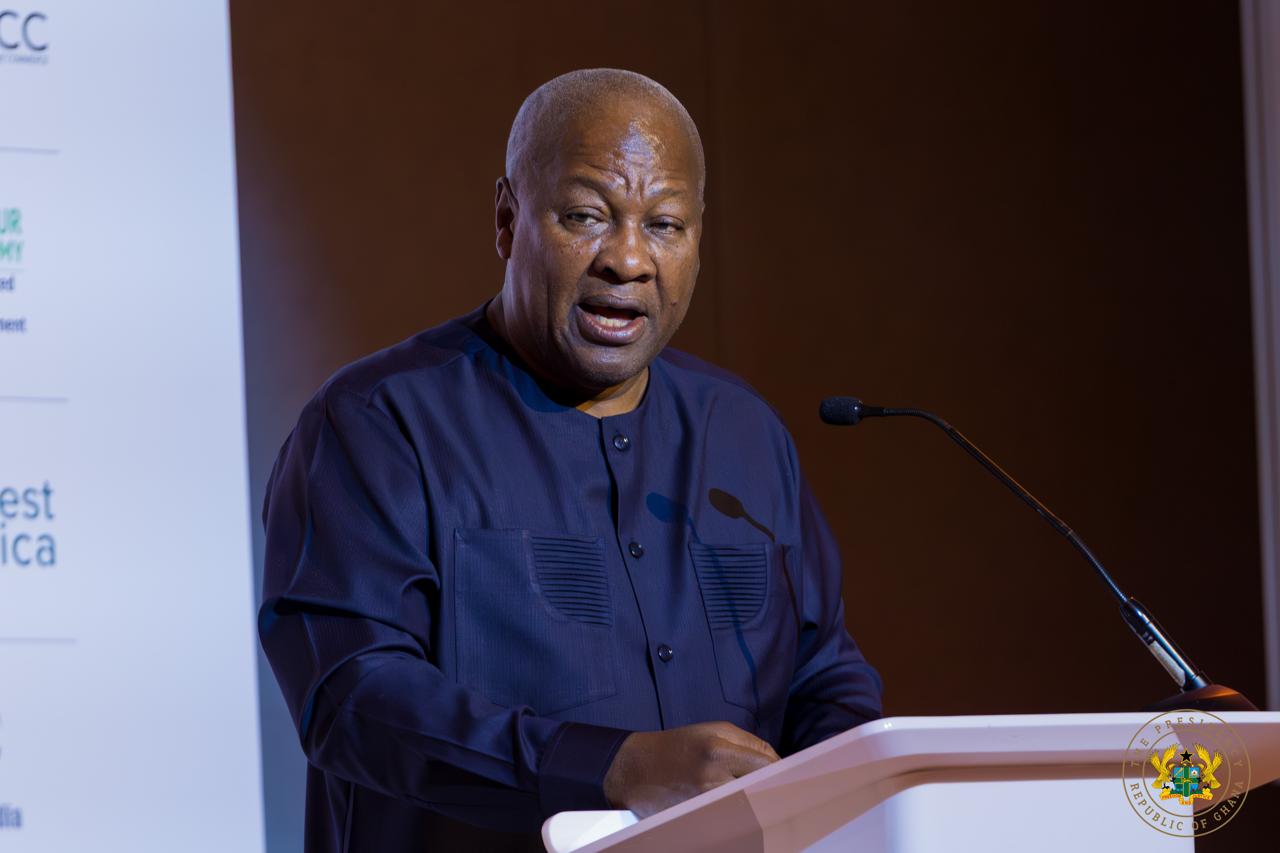
That was a message President John Dramani Mahama delivered to global investors at the 12th Africa Debates at London’s Guildhall, as he called on the world to move beyond the old narrative of Africa as a continent of aid, crisis, and dependency.
President Mahama told the gathering that the era in which Africa served merely as a source of raw materials for other nations’ industrialisation had to end, and that the future relationship between Africa and the world had to be built on value addition, technology transfer, infrastructure investment, skills development, and shared prosperity.
“Africa does not seek sympathy. Africa seeks partnerships, fair partnerships, strategic partnerships, mutually beneficial partnerships,” he said.
He called for trade relationships to be restructured so that Africa was rewarded for adding value to its own resources rather than continuing a cycle in which the continent exported raw materials cheaply and imported processed goods at a significant premium.
“Africa must no longer be seen as an exporter of raw materials, only to import finished products at significantly higher cost,” he urged.
President Mahama said the current international financial architecture remained unequal and outdated, with African countries continuing to face disproportionately high borrowing costs despite carrying some of the world’s greatest growth potential.
He stated that climate finance commitments made to developing nations had remained largely unmet, and that trade barriers still disadvantaged African producers seeking access to global markets.
He called for debt restructuring mechanisms that were faster, fairer, and more inclusive, and for global governance institutions to be reformed to reflect the growing demographic and economic weight of the African continent.
The President pointed to Africa’s present strengths to back his argument.
“The continent was home to the world’s youngest population, with projections showing that one in every four people on earth would be African by 2051.
“It also held vast reserves of cobalt, lithium, manganese, copper, bauxite, and rare earth elements essential for the global energy transition,” he stated.
President Mahama said the African Continental Free Trade Area, the largest free trade area in the world by number of participating countries, presented real opportunities for industrialisation, manufacturing, and intra-African trade.
He said these were not distant possibilities but present realities, and that Africa’s continued resilience and growth, even as many advanced economies struggled with stagnation, was proof of that.
“Africa is not waiting to be rescued. Africa is building. Africa is innovating and transforming,” he emphasised.
Richard Aniagyei, ISD