Ghana has reaffirmed its commitment to sustainable urban development, affordable housing and stronger local governance.
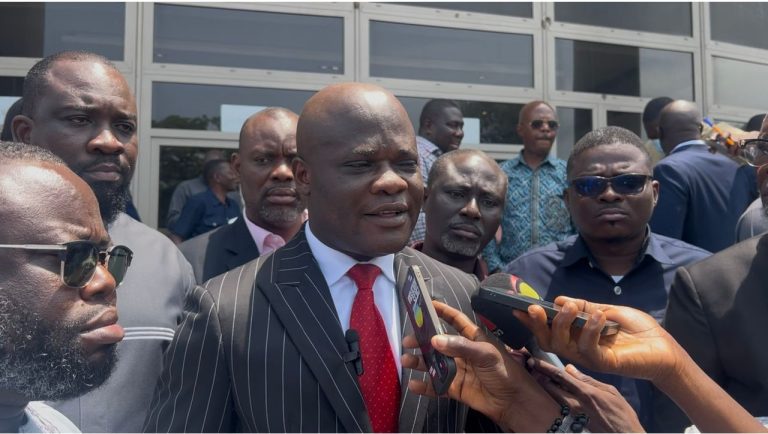
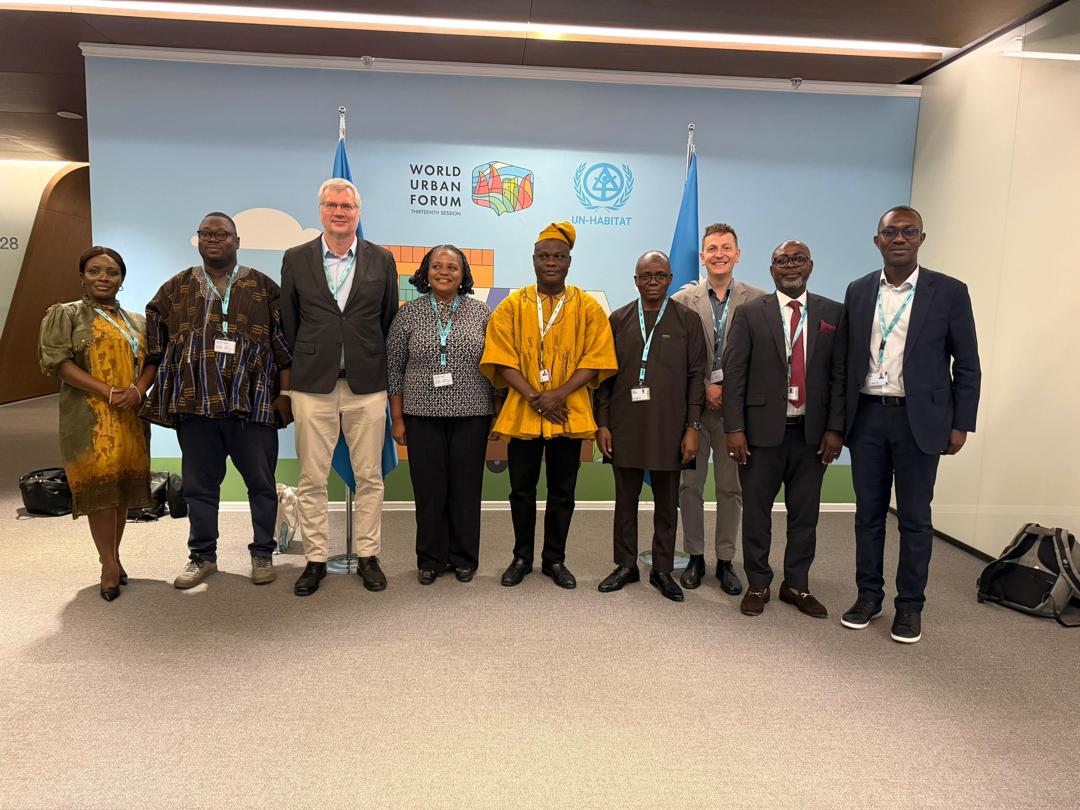
The Minister for Local Government, Chieftaincy and Religious Affairs, Mr Ahmed Ibrahim, made these remarks at the Thirteenth Session of the World Urban Forum in Baku, Azerbaijan.
He said Ghana fully supports the Forum’s theme, “Housing the World: Safe and Resilient Cities and Communities,” describing housing as a foundation for dignity, resilience, productivity and social inclusion.
He noted that Ghana’s urban population continues to grow rapidly, creating opportunities for innovation, enterprise and economic transformation.
He, however, said the rapid pace of urbanisation is also increasing pressure on housing, land management, transportation, drainage systems, sanitation, waste management and other public services.
According to Mr Ibrahim, urban development remains at the heart of Ghana’s national transformation agenda, prompting the government to pursue policies that promote decentralisation, integrated planning and local participation.
He said efforts are underway to strengthen Metropolitan, Municipal and District Assemblies to bring governance closer to citizens and improve the capacity of local authorities to plan, finance and deliver essential services.
He explained that Ghana’s decentralisation reforms are designed to promote accountable governance, local economic development, citizen participation, climate resilience, inclusion and innovation.
He highlighted measures being taken to strengthen the country’s urban development framework. These include the implementation of a revised National Urban Policy and Implementation Plan aimed at supporting inclusive, resilient and well-managed urban growth.
“Our objective is clear: to move from fragmented urban responses to coordinated, data-driven and investment-ready urban transformation,” he stated.
The Minister said the government has introduced a National Homeownership Fund to increase access to long-term financing for civil servants and workers in the informal sector.
He added that under the Affordable Housing Programme, government support for serviced land and trunk infrastructure is helping to reduce housing delivery costs by as much as 40 per cent. Stating, “The government has also introduced a District Housing Programme that promotes the use of local building materials and climate-smart construction methods to improve affordability while reducing environmental impact.”
Mr Ibrahim further outlined several flagship initiatives aimed at improving urban living conditions and supporting local economic growth.
He cited the Local Economic Development Policy and the 24-Hour Model Market Initiative as programmes designed to modernise market infrastructure, ease congestion, improve sanitation and safety, support women and youth entrepreneurs and strengthen the connection between urban planning and job creation.
The Minister also stated Ghana’s efforts to promote locally led climate adaptation by providing targeted support to local authorities to implement resilience-building projects that address community needs.
He said resilient cities can only be achieved when local governments and communities are empowered with the resources, trust and capacity required to lead development efforts. He called for accelerated implementation of the New Urban Agenda through stronger local institutions, improved access to urban and climate financing and renewed commitment to adequate housing.
Mr Ibrahim noted that developing countries require practical support, including financing, technology transfer, capacity building and policy cooperation, to deliver sustainable urban development on a larger scale.
He reaffirmed Ghana’s readiness to collaborate with international partners in building inclusive, safe, resilient and sustainable cities and communities for current and future generations.
Priscilla Osei-Wusu Nimako, ISD