The Chairman of the Ghana Journalists Association, Upper East Region, Albert Sore, has stressed the need for journalists and content creators to be trained in responsible reporting on migration, warning that misinformation and stereotypes are distorting public discourse across West Africa.
Speaking at a training workshop on digital content creation and mini-video blogging on free movement and migration in West Africa on Wednesday, Sore said the spread of unverified content on social media was fueling fear and xenophobia.
“At a time when misinformation, stereotypes, and emotionally charged narratives continue to shape conversations around migration, training journalists and content creators to tell informed, accurate, and human-centred stories is extremely important,” he said.
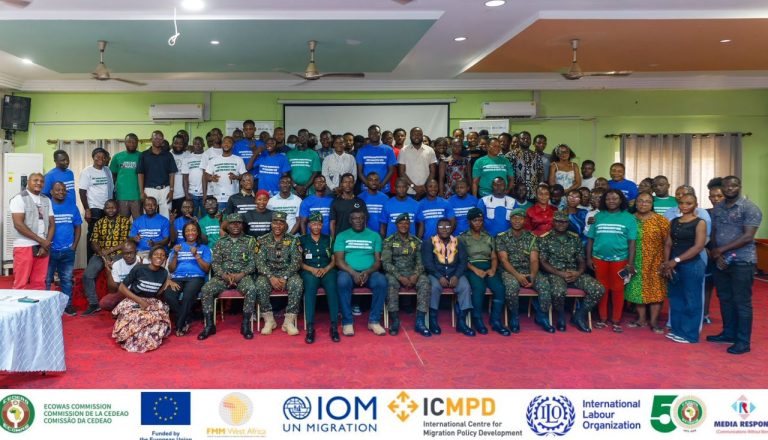
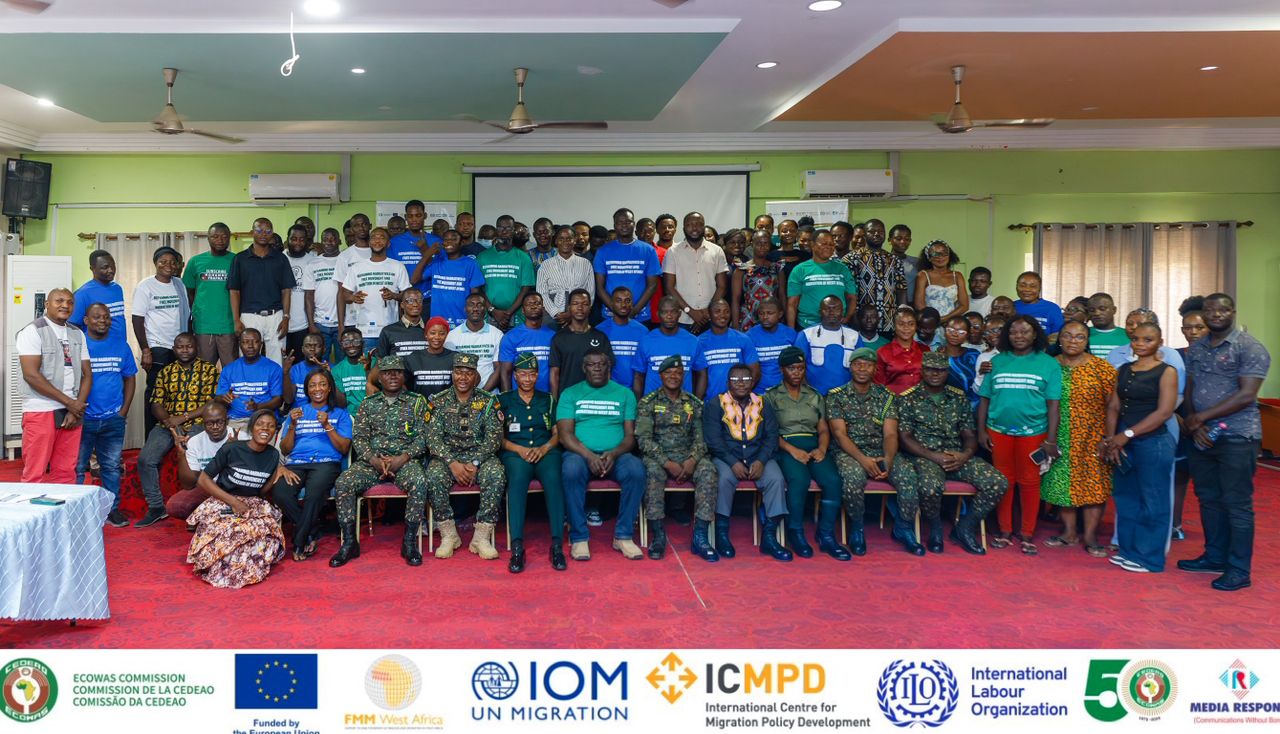
The workshop was organised by Media Response under the Free Movement and Migration Phase Two Project, in partnership with ECOWAS.
Sore noted that migration stories are often reported without context, with migrants portrayed mainly through the lens of crime, insecurity, or political tension. He said the rise of smartphone journalism had amplified the problem, as a one-minute video on TikTok, Facebook, Instagram, or X could shape public opinion faster than a long newspaper article.
“That power comes with responsibility,” he said. “As journalists, bloggers, and communicators, we must use digital storytelling tools responsibly. We must tell migration stories with accuracy, balance, empathy, and context. We must amplify facts, not fear. We must humanise people instead of reducing them to stereotypes.”
Drawing from his own experience, Sore recounted how he taught himself video shooting and editing after becoming a regional correspondent for Joy FM in 2011. He said the skills allowed him to take full control of his storytelling and led to his first national award in 2017 for a report on open defecation in Bongo.
“Training matters. Continuous learning matters. No matter how experienced you are, there is always something new to learn,” he told participants.
He added that while the training focused on migration and free movement, the skills would strengthen storytelling across all beats, from health and education to security and agriculture.
Sore cautioned media practitioners against prioritising clicks over truth, warning that misleading migration videos could fuel discrimination and tension between communities and countries.
The training brought together journalists and content creators to build capacity in producing accurate, ethical, and engaging digital content on migration in the sub-region.
Over 100 journalists, bloggers, content creators and communication officers were trained in digital storytelling and mini-video production migration on migration reporting.
Bala Ali, ISD