President John Dramani Mahama has reiterated his ban on fuel allowances and allocations, directing all ministers, senior government officials and appointees to observe it strictly, without exception.
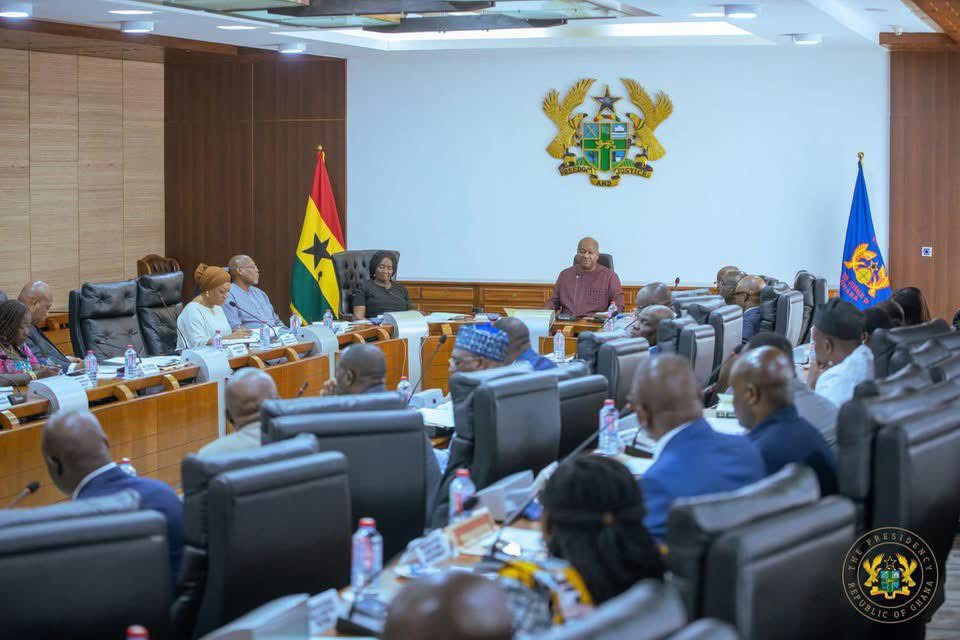
The reminder came on Thursday as cabinet sat to deliberate on measures to protect ordinary Ghanaians from the pinch of rising fuel prices, making its significance hard to miss.
While the government was at the same session directing the Finance and Energy Ministers to cut taxes on fuel and deploying Metro Mass buses to ease the burden on commuters, the president made clear that those in office are equally expected to show restraint.
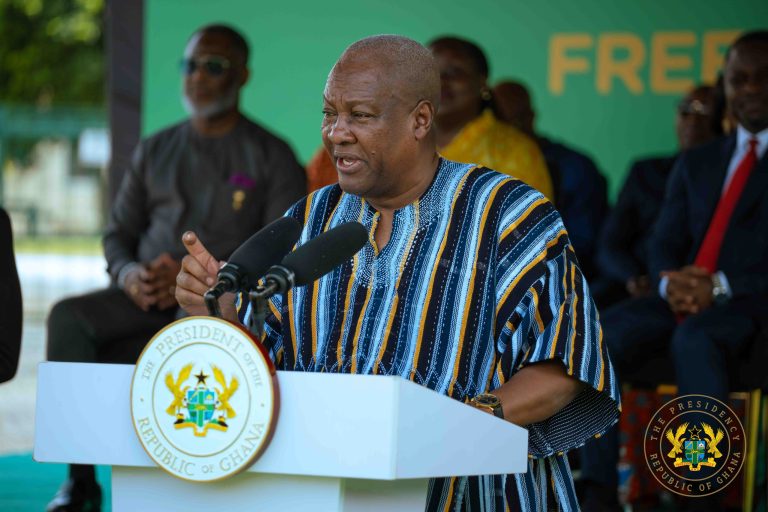
“The president took the opportunity at the cabinet meeting to remind all ministers and senior government officials and appointees to adhere strictly to his ban on fuel allowances and allocation of fuel,” the Minister of State in charge of Government Communications, Felix Kwakye Ofosu told journalists after the session.
The emergency cabinet meeting was convened in response to increases recorded at the pump over the last two pricing windows , increases cabinet attributed entirely to the ongoing US-Israel-Iran conflict, which has disrupted crude oil flows through the Strait of Hormuz.
About 20 percent of the world’s crude oil moves through that waterway, and the restrictions have sent both crude prices and shipping insurance premiums sharply higher.
Despite those pressures, the minister noted that Ghana’s economic gains had done considerable work in shielding consumers.
A stable and appreciating cedi, alongside inflation easing to around 3.2 percent, had kept pump prices well below the levels Ghanaians faced during the 2022 Ukraine conflict, a period of comparable global disruption.
Even so, cabinet concluded that the recent increases, if left unaddressed, risked feeding into transport fares and broader commodity prices with consequences for the cost of living.
To arrest that, the Finance and Energy Ministers have been directed to remove some taxes and margins on fuel, effective the next pricing window, approximately one week away.
The measure will run for an initial four weeks, after which the government will review the situation and decide on further steps.
Richard Aniagyei, ISD