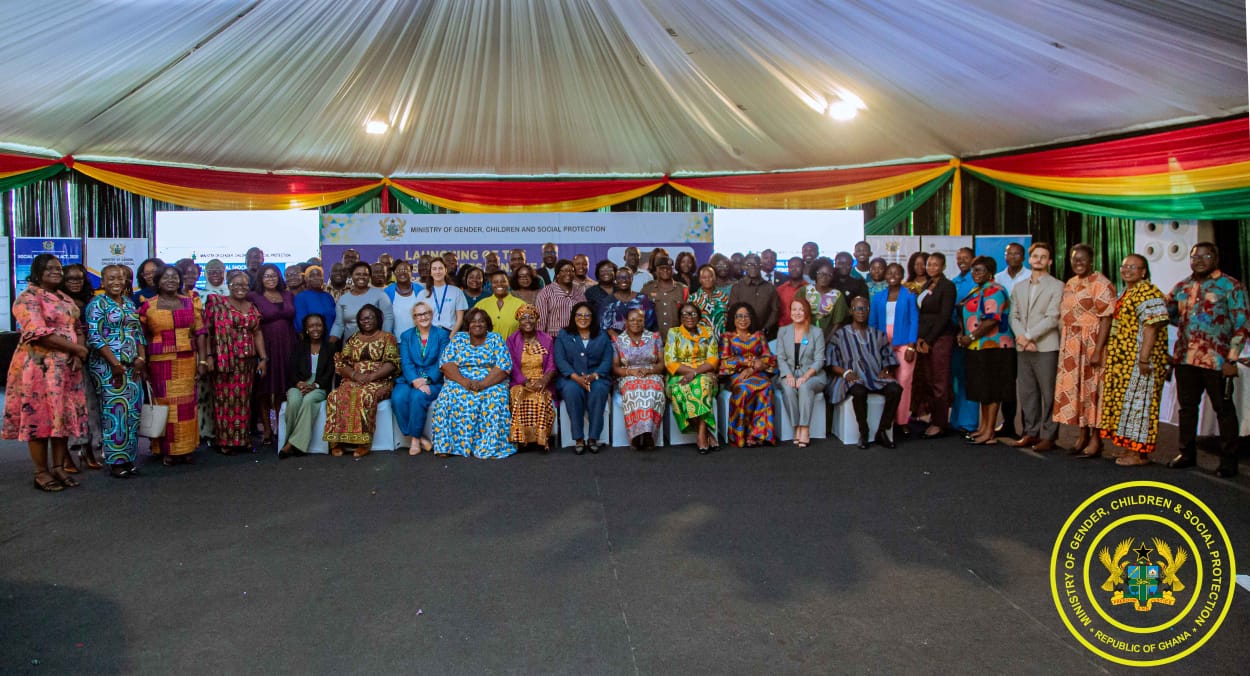
Ghana has launched the National Shock-Responsive Social Protection Strategy (NSRSPS), along with its standard operating procedures and implementation plan, to improve the country’s ability to respond swiftly to crises and protect vulnerable populations.
The event was held under the theme: “From Preparedness to Resilience: Strengthening Shock-Responsive Social Protection Systems in Ghana’.
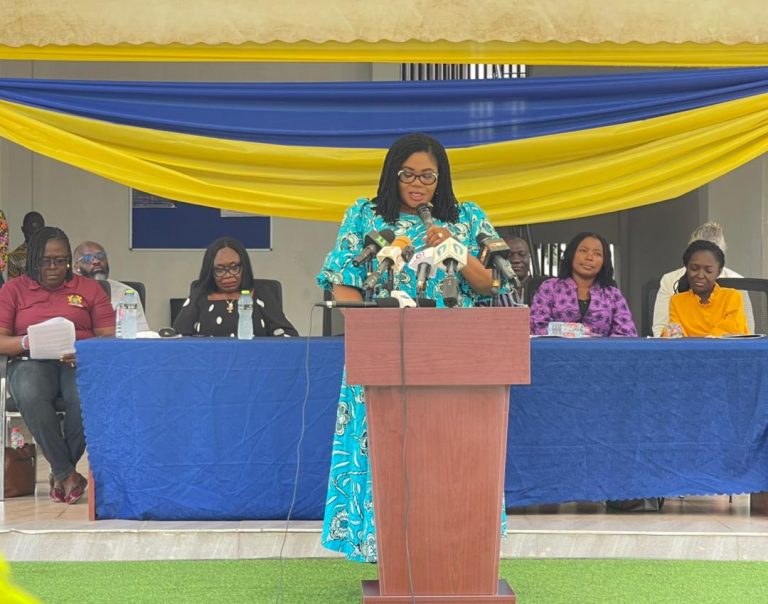
Speaking at the launch on Tuesday, in Accra, the Minister for Gender, Children, and Social Protection, Dr Agnes Naa Momo Lartey, described the framework as a practical response to the growing frequency of climate-related and economic shocks affecting livelihoods across the country.
“The strategy is expected to enhance coordination, improve targeting, and ensure that support reaches affected populations in a timely and efficient manner,” she said.
She noted that, in 2023, the Akosombo dam spillage displaced more than 30,000 people across the Volta, Eastern, and Greater Accra regions, disrupting livelihoods and social services.
She said severe flooding in parts of the Central and Northern regions displaced thousands, with over 200 homes submerged in the Central Region alone and about 70,000 people affected in the north in 2024.
Also, prolonged dry spells in northern Ghana further deepened vulnerabilities, affecting over 214,000 households under the Livelihood Empowerment Against Poverty programme.
“These incidents reflect the increasing scale and frequency of climate-related risks and their disproportionate impact on low-income households,” she added.
The minister emphasised that the success of the initiative will depend on effective implementation, prioritising areas that include strengthening early warning systems through national institutions, improving data systems such as the Ghana National Household Registry, expanding digital payment platforms and ensuring sustainable financing.
She therefore called for sustained collaboration across government, development partners and civil society to ensure that the strategy delivers tangible benefits and strengthens resilience among vulnerable populations.
The Director-General of the National Development Planning Commission (NDPC), Dr Audrey Smock Amoah, has called for a shift from traditional preparedness measures to resilient, shock-responsive systems, as Ghana faces an increasing number of social, economic, and environmental shocks.
She explained that the NSRSPS provides a framework for coordinated, efficient, and effective response to shocks, supported by Standard Operating Procedures (SOPs) and an Implementation Plan. She urged stakeholders to actively participate in operationalising the strategy, noting that their engagement was necessary to build national resilience.
The Vice Chair of the Parliamentary Standing Committee for Gender, Children, and Social Welfare, Madam Zuwera Ibrahima, said recent crises have exposed weaknesses in existing systems and reinforced the need for a more adaptive and responsive approach to social protection.
She said the Committee reaffirms its readiness to support implementation through its oversight and legislative functions, noting that Parliament will work to ensure the necessary legal, policy and budgetary measures are sustained.
The NSRSPS policy aligns with global commitments such as the United Nations Sustainable Development Goals, particularly those on poverty reduction and inequality.
Developed through consultations with government agencies, development partners, civil society, and academia, the strategy has received technical and financial backing from institutions including the UNICEF, the World Food Programme, and the UK’s Foreign, Commonwealth and Development Office.
Priscilla Osei-Wusu Nimako, ISD