200 Cases Under Investigation as ORAL Intensifies – President Mahama
Over 200 cases are under active investigation through Operation Recover All Loot (ORAL), with about 80 people interrogated so far as part of government’s efforts to recovering looted state resources.
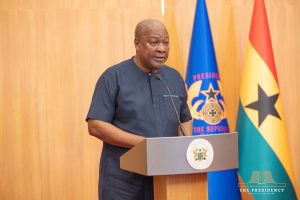
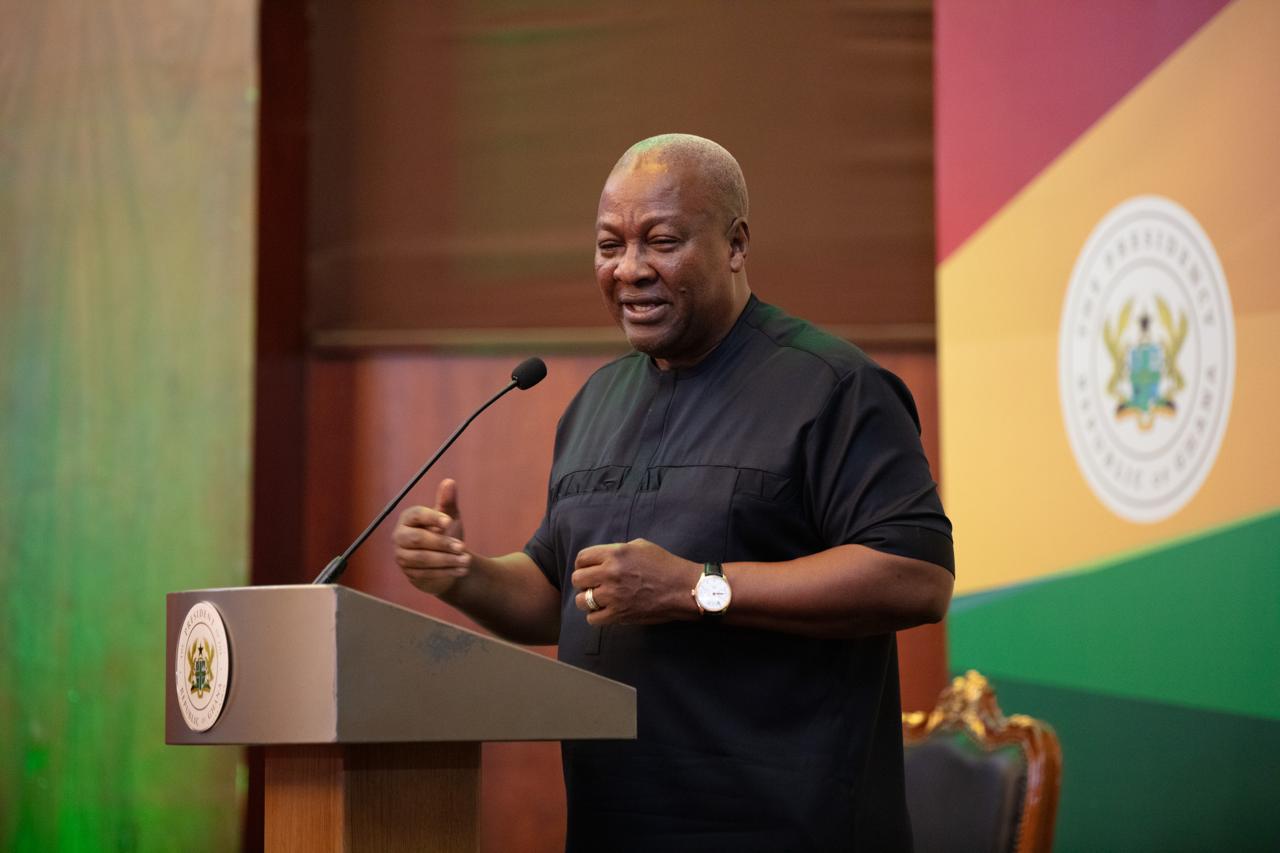
President John Dramani Mahama who disclosed this at his maiden media encounter on Wednesday, noted that several prosecutions have begun and are progressing steadily.
He explained that what the public is witnessing is not inaction but his administration’s steadfast adherence to due diligence, due process and fairness in the pursuit of justice.
“Yes, our insistence on doing things the right way may afford those who have looted this country some temporary relief, but let me be clear, it will not grant them permanent escape,” the President declared.
Mahama revealed specific progress in multiple high-profile cases currently before the courts. According to him, in the Republic v. Adu Boahen and three other case, witness statements have been submitted together with all other documents, trial has commenced, and the first of three prosecution witnesses have been called and cross-examined by counsel for the accused person.
He said prosecutors have secured a trial date for the SkyTrain case, noting that all preliminary matters have been concluded and the trial is set to commence.
According to Mahama, his administration is awaiting a forensic audit from the Auditor General regarding the National Cathedral project.
He noted that charges have been drafted and are ready for filing in the case of Republic v. Wutumi and Akutamaini.
The President revealed that the Economic and Organised Crime Office is finalising its report with respect to Ex-Im Bank transactions.
He said documents are in preparation for the Baffa Stock case and the Drake Equipment case, while investigations are ongoing into the African Confirmation case, the Maths Set case, and approximately 20 other cases.
“Let me be clear, every single case of corruption that needs to be investigated is being looked into, and once evidence is found to ground the prosecution, that will happen, and happen swiftly,” President Mahama stated.
He explained that his government launched a Code of Conduct for Public Officials with an insistence on strict compliance.
According to the President, a high-level working group has been inaugurated to draft a new anti-corruption strategy aimed at strengthening ethical governance and institutional coordination.
Mahama noted that public accountability and the recovery of looted state resources are at the top of expectations from his government.
He said his administration has not wavered in its commitment for even a moment and has not been complacent in pursuing these cases.
The President explained that across multiple fronts, active pursuits and prosecutions are well underway under ORAL.
He said the approach demonstrates his government’s commitment to ensuring that those who have misappropriated state resources face the full force of the law.
According to him, the various cases span different sectors and involve significant amounts of public funds that were allegedly misused or stolen during the previous administration.
He noted that the investigations cover everything from procurement irregularities to outright theft of state resources.
The President said his government’s methodical approach to these cases, while it may take time, ensures that prosecutions are built on solid legal foundations that can withstand court challenges.
He explained that rushing to court without proper preparation would only serve the interests of those who have looted the state.
President Mahama revealed that his administration is working closely with various law enforcement agencies and the Attorney General’s office to ensure that all cases are properly investigated and prosecuted.
“the government is committed to transparency in the process while respecting the legal procedures that must be followed”’ he said.
The President noted that ORAL represents a comprehensive approach to addressing corruption and recovering stolen state assets.
According to him, the operation goes beyond individual cases to examine systemic issues that allowed corruption to flourish in the past.
He explained that the new anti-corruption strategy being developed will focus on prevention as much as prosecution, ensuring that the systems and processes that enabled past corruption are reformed to prevent future occurrences.
Richard Aniagyei, ISD