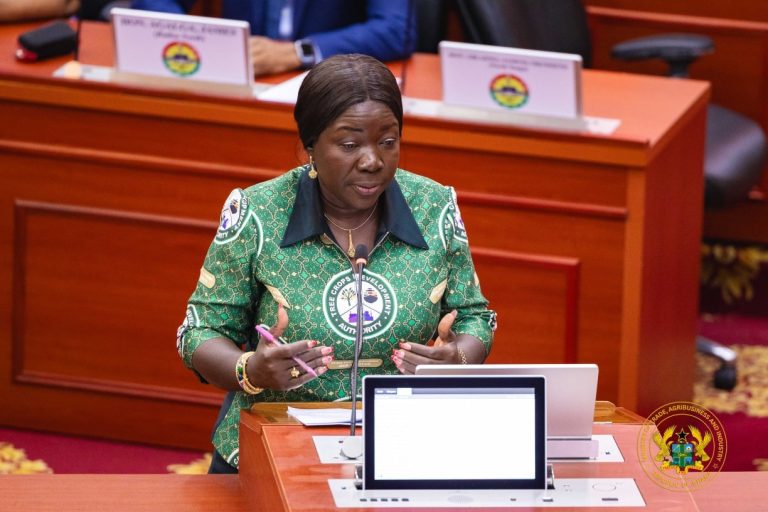
The Minister for Trade, Agribusiness and Industry, Mrs Elizabeth Ofosu-Adjare, has urged African leaders to treat industrialisation as a commercial opportunity and called for coordination under the African Continental Free Trade Area (AfCFTA) to prevent costly competition within the continent.
She made this call on Wednesday during the opening ceremony of the maiden African Trade Summit in Accra.
She stated that Africa stands at a defining moment as industrial policy regains prominence globally, driven by supply chain resilience, strategic autonomy, and national security concerns.
The minister expressed that while advanced economies were heavily financing industrial policies, African countries faced tighter fiscal constraints.
According to the minister, Ghana has chosen sector-focused industrial policies backed by blended finance tools rather than broad-based interventions.
“Ghana is focusing on textiles and garments, automotive components, and pharmaceuticals. These sectors can create jobs, access regional markets through the African Continental Free Trade Area, and integrate into broader value chains,” she said.
Mrs Ofosu-Adjare disclosed that the automotive policy has attracted more than $ 100 million in investment and added that local pharmaceutical manufacturing is necessary for health security and economic growth.
The Deputy Director General of the United Nations Industrial Development Organisation, H.E. Fatou Haidara, said Africa needed to move from policy ambition to industrial execution to benefit from changes in global value chains and AfCFTA.
She described AfCFTA as both a trade and industrial agreement, noting that its success depended on Africa’s ability to produce competitively, add value locally, and trade within the region. She said the main challenge was not vision but the speed and scale of implementation.
H.E. Haidara called for alignment of industrial policy with infrastructure, energy, and finance, and said regional specialisation offered better outcomes than attempts to produce all goods in every country.
She stressed inclusion as a driver of productivity and urged the integration of small and medium enterprises, youth-led businesses, and women-owned firms into industrial value chains.
On her part, the Executive Chair of the African Trade Chamber, Mrs Benedicta Lasi, said the Africa Trade Summit was created to shift discussions from potential to action on industrial development.
She said Africa held more than 30 per cent of known global mineral resources yet accounted for less than five per cent of world manufacturing output, with intra-African trade below 15 per cent.
Mrs Lasi said industrialisation required coordination across government institutions and a close partnership with the private sector.
She noted that the African Trade Chamber’s industry councils were preparing African businesses for production at scale under AfCFTA, adding that the free trade area would favour prepared firms and expose those that delayed.
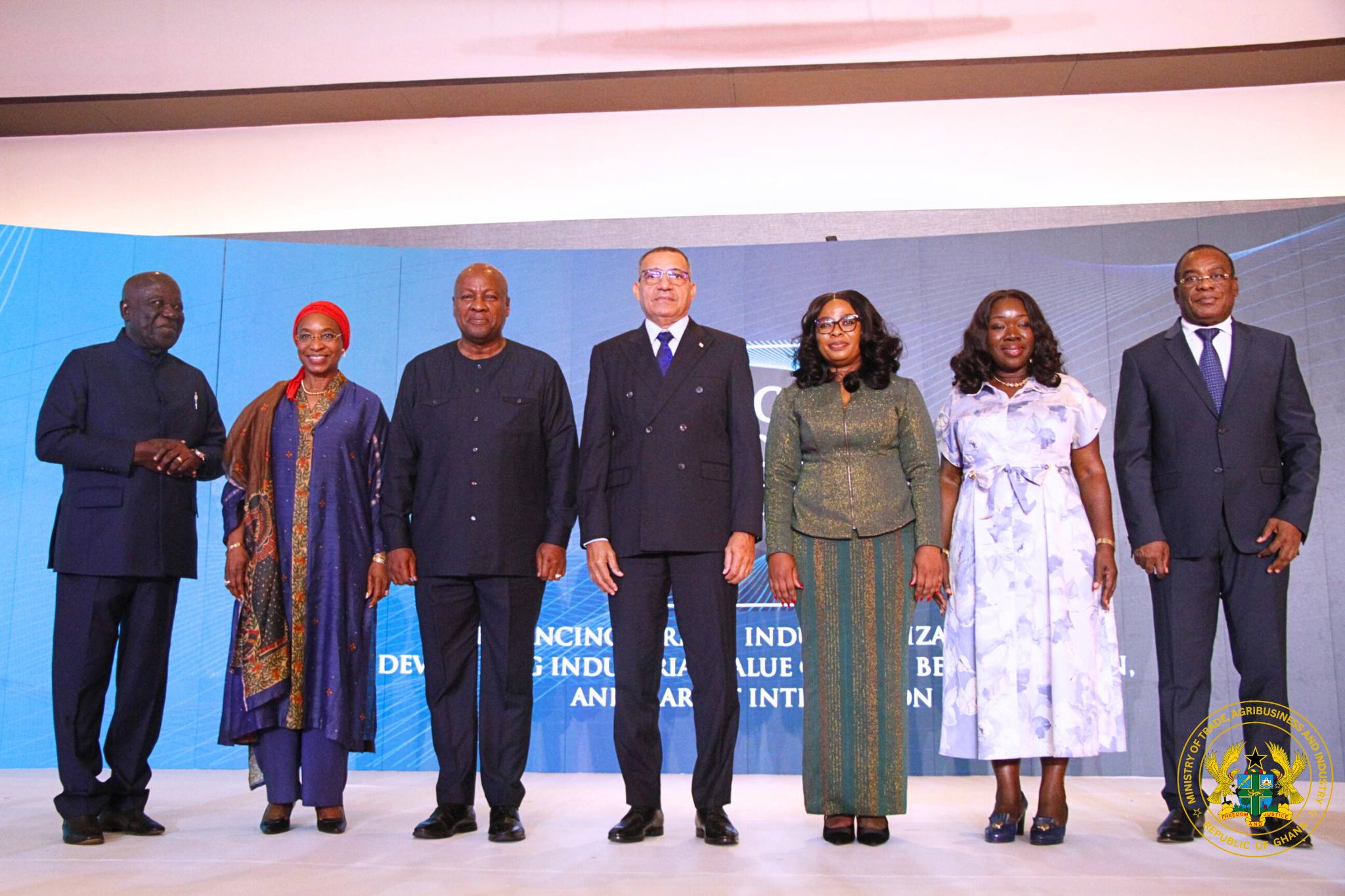
The summit, held under the theme “Financing Africa’s Industrialisation: Developing Industrial Value Chains, Beneficiation and Market Integration,” brought together Heads of State, ministers, development partners, captains of industry, and multilateral institutions.
Irene Wirekoaa Osei, ISD