Africa possesses vast sovereign assets but the challenge is to convert these into credible, investable portfolios with clear revenue themes and bankable structures.
The shift from aid and debt dependence to asset-driven growth will enable African economies to attract long-term capital without unsustainable increases in public debt.
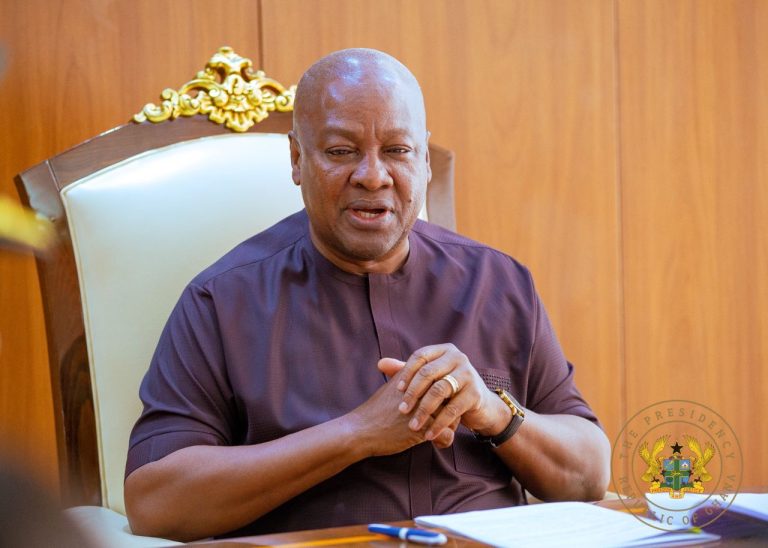
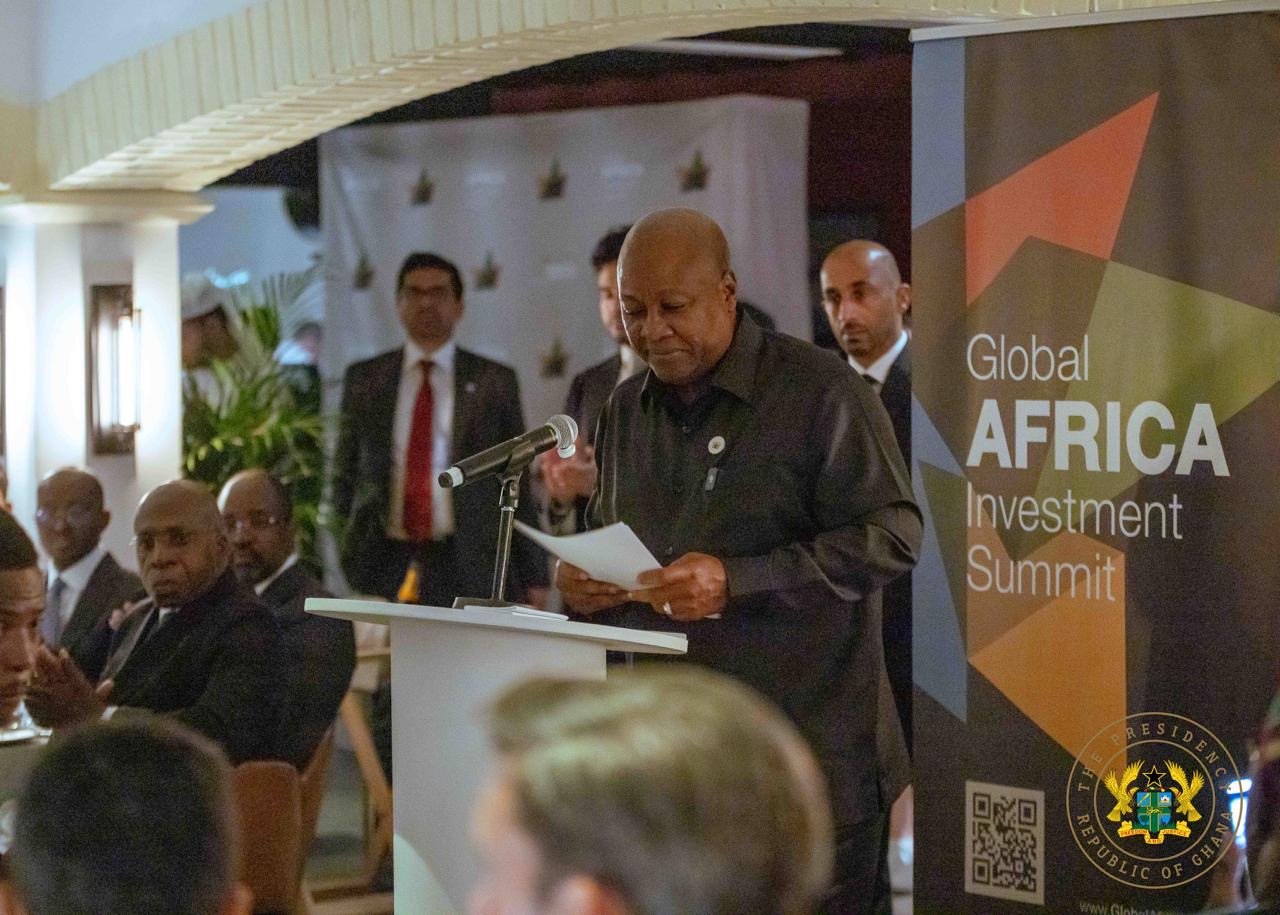
President John Dramani Mahama who stated this at the Global Africa Investment Summit in Dubai on Tuesday noted that the shift will anchor Africa’s development in ownership, productivity, and resilience.
“Global capital does not chase isolated projects. It invests in platforms,” President Mahama said.
He stated that the Global Africa Investment Summit offers well-structured, scalable investment platforms across minerals, energy, infrastructure, trade, and logistics.
President Mahama added that Africa already has the assets but what is being built now is the architecture that enables those assets to speak the language of global capital.
He noted that institutional investors are seeking stability, scale, and predictability, and that Africa can offer all three if its assets are appropriately valued, structured, and properly governed.
President Mahama said the summit, founded by former African Development Bank President Dr Akinwumi Adesina and Madame Marguerite Krauss, has the potential to fundamentally change how global capital engages with Africa. The theme of the summit is “Mobilising Global Capital for Africa’s Next Growth Chapter.”
He mentioned that the launch of the Global Africa Investment Summit is not symbolic but action itself, providing a transparent, collaborative space for engaging global investors.
President Mahama said the initiative aligns with the Accra Reset, which he described as a shift away from aid dependency towards economic sovereignty, self-determination, and investment-led growth.
“Moving from aid to investment is not merely desirable; it is essential for sustainable development,” he said.
He stated that Africa cannot afford to be a passive participant in the new global era and must shape how the world engages with the continent, and most importantly, on Africa’s terms.
Richard Aniagyei, ISD