Government will construct 600 new school blocks this year, introduce artificial intelligence into the primary school curriculum, and establish three new public universities in the country.
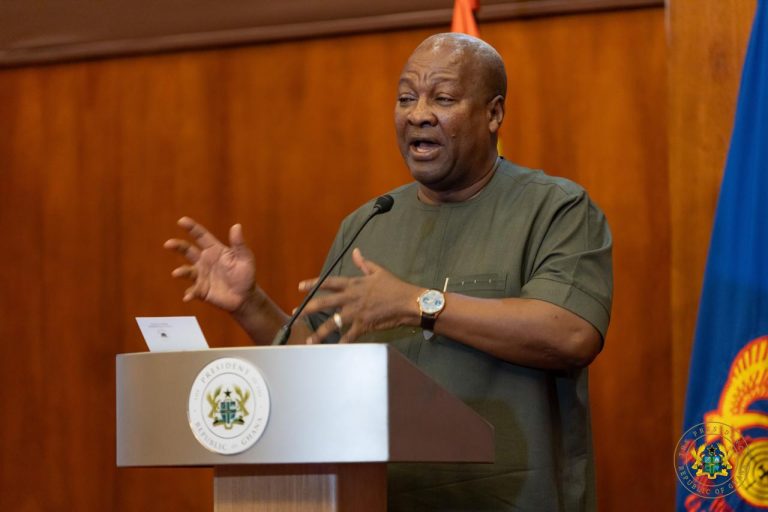
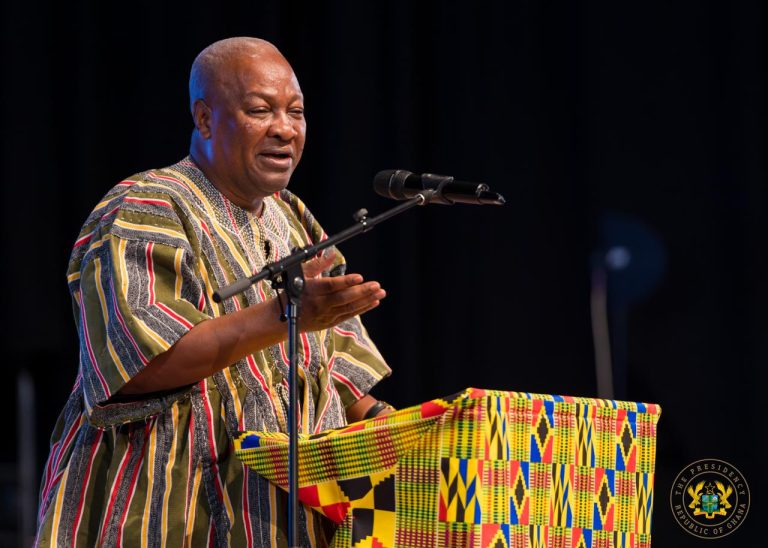
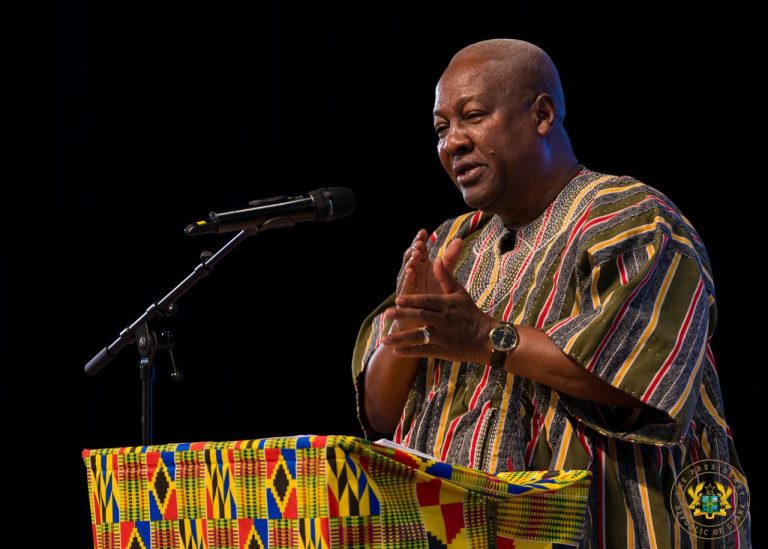
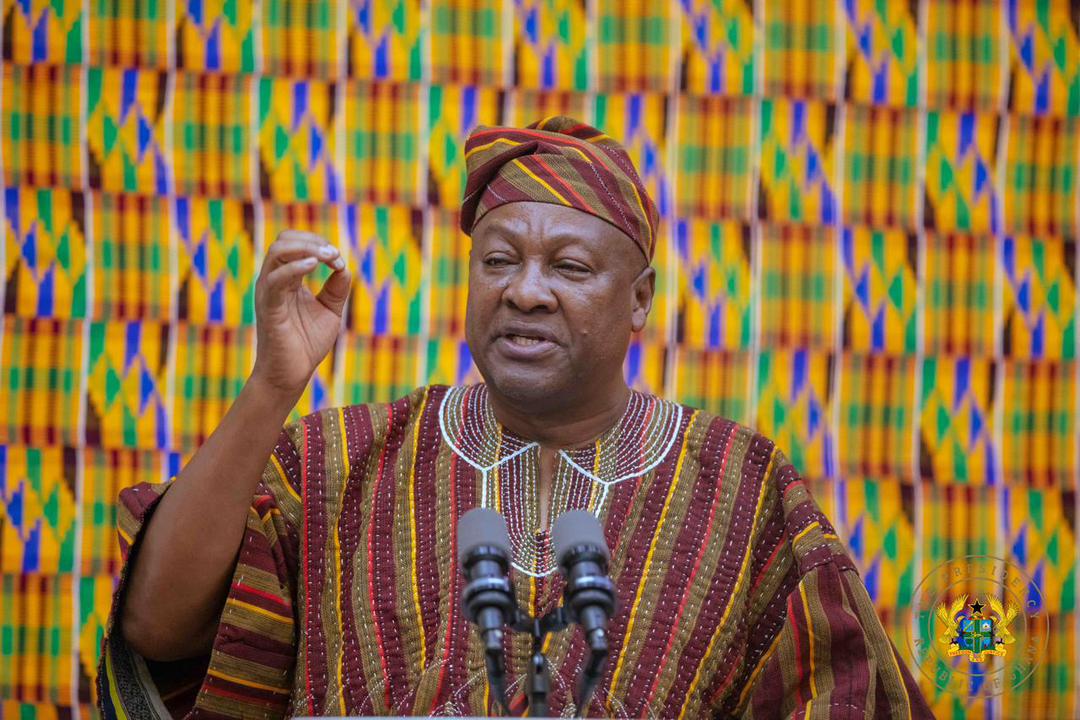
President John Dramani Mahama, who disclosed this during his State of the Nation Address in Parliament on Friday, noted that the initiatives represent a deliberate shift to put basic schooling back at the centre of national investment.
He said his administration has made a conscious decision to rebalance education spending in favour of the foundational years.
“It is at this level that children acquire foundational literacy, numeracy, critical thinking, and problem-solving skills upon which all future learning depends,” he told the House.
The 600 new school blocks [200 at kindergarten level, 200 at primary, and 200 at junior high school] were a direct response to the longstanding problem of children learning under trees, the President explained.
President Mahama disclosed that the government had fully cleared all outstanding Capitation Grant arrears owed to public basic schools, as well as unpaid BECE registration subsidies due to the West African Examinations Council.
He added that school administrators who had been quietly absorbing those costs from other budgets would now feel immediate relief.
Twelve point two million packs of sanitary pads had been distributed to girls in public schools across the country in 2025, the President revealed, with GH¢292.4 million set aside in the 2026 Budget to sustain the initiative.
“This commitment aims to remove gender-specific barriers to education and ensure that no girl’s education is interrupted due to challenges related to menstrual hygiene,” he told Parliament.
He also disclosed that the daily feeding grant for students in public Special Schools had been doubled from GH¢8 to GH¢15 for the 2025/2026 academic year.
He further announced that a new state-of-the-art Special Needs School would be constructed in Ho in the Volta Region, while the existing facility in Akropong would be rehabilitated and upgraded.
“Free education for learners with special needs had been anchored in law through an amended GETFund Act, with a dedicated funding framework taking effect from the 2026 academic year”, the President added.
President Mahama hinted that 30 Category C Senior High Schools would be upgraded to Category B and 10 Category B schools elevated to Category A.
“Facilities in existing Category A institutions would also be expanded to decongest them. The Free SHS Programme had maintained a stable, uninterrupted food supply throughout the 2025 academic year,” he noted.
He added that the government launched a housing initiative targeting 50,000 units built through a partnership involving the District Assemblies Common Fund, GETFund, the Ghana National Association of Teachers (GNAT), and the Ghana Education Service Pension Scheme to keep teachers in post, particularly in rural areas.
The programme was designed to ensure that educators could “live, work, and retire with dignity and security,” he told Parliament.
The One Million Coders Programme, launched in March 2025, was targeting 400,000 trained Ghanaians this year alone across areas including data analytics, cybersecurity, and artificial intelligence, President Mahama revealed.
Phase two, which adds virtual training sessions to the existing four physical centres in Accra, Kumasi, Sunyani, and Bolgatanga, would begin this year, he announced.
Richard Aniagyei, ISD