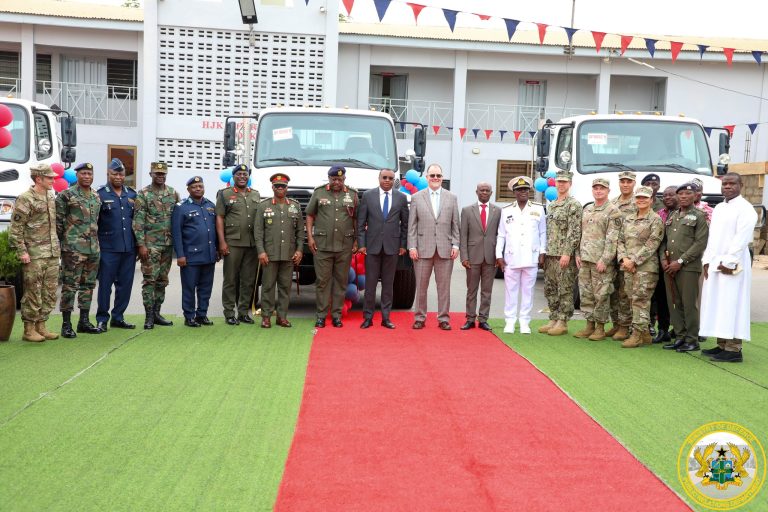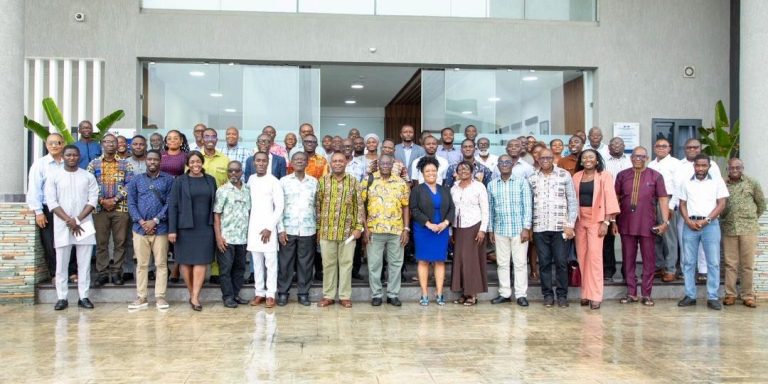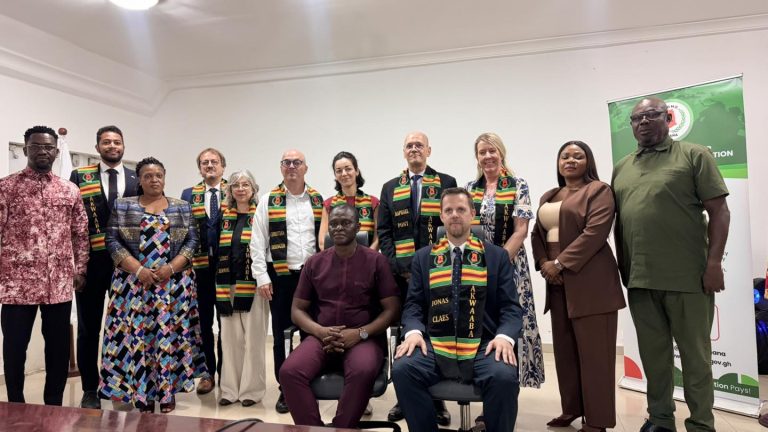
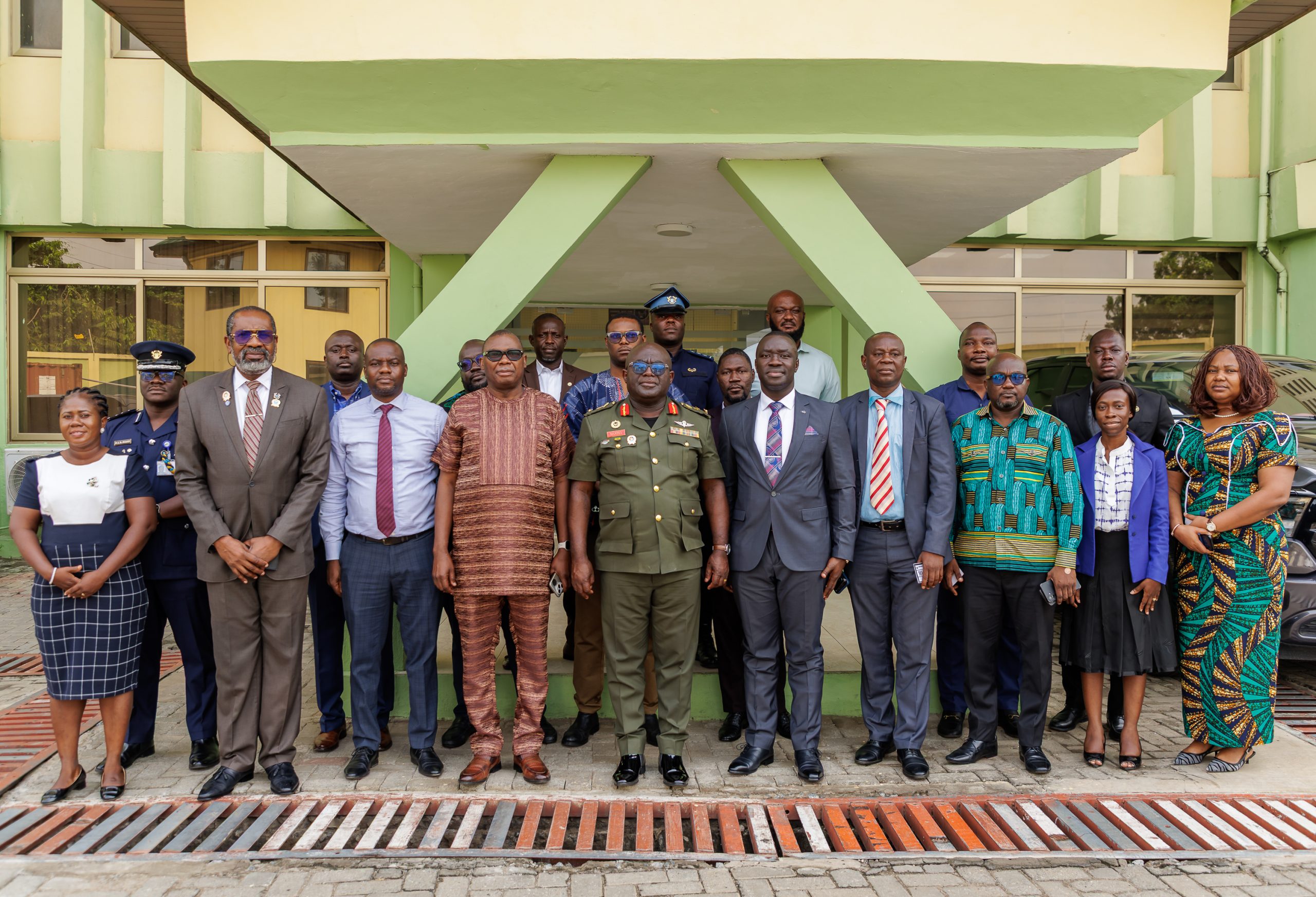
The Director-General of the Narcotics Control Commission (NACOC), Brigadier General Maxwell Obuba Mantey, has inaugurated a 16-member inter-agency Narcotics Inter-agency Coordination Committee (NICC) to enhance collaboration among state security and intelligence agencies in the fight against drug-related crimes.
The committee, made up of personnel drawn from key security, intelligence, and regulatory institutions, will operate as a joint operational body to complement NACOC’s mandate.
Its core focus will be on intelligence sharing, early engagement, and coordinated responses aimed at staying ahead of organised criminal networks involved in narcotics trafficking.
Speaking at the inauguration ceremony, Brig Gen Mantey emphasised that the NICC is intended to connect intelligence rather than control or override the mandates of participating institutions.
“The Narcotics Inter-agency Coordination Committee exists to connect intelligence and not to control institutions,” he said.
He stated that the committee will support prevention, interdiction, and enforcement efforts across all agencies and encouraged members to demonstrate commitment, collaboration, and diligence to enable the Commission to achieve its strategic objectives in combating narcotics-related threats.
The Deputy Director-General in charge of Enforcement, Control, and Elimination at NACOC, Lawyer Alexander Twum-Barimah, described the committee as a practical platform designed to improve operational efficiency rather than create additional bureaucratic layers.
“This platform is intended to be practical. It is not about creating new mandates or layers of approval,” he stated.
According to him, the coordination mechanism will ensure that information flows more easily between agencies, concerns are identified earlier, and operational support can be mobilised without unnecessary delays.
Addressing the committee members as liaison officers, Mr Twum-Barimah noted that their selection was based on their understanding of both their institutional responsibilities and the importance of trusted inter-agency engagement.
“The effectiveness of this team will depend on how well it supports real-time coordination and informed decision-making,” he said.
He further explained that the inter-agency liaison initiative would promote a shared understanding of the country’s drug situation by bringing together perspectives from across the security and regulatory landscape. Such clarity, he noted, is critical for leadership, planning, and effective national response.
The NICC comprises representatives from the Ghana Immigration Service, Ghana Revenue Authority (Customs Division), National Security Council Secretariat, Ghana Police Service (Drug Law Enforcement Unit), National Intelligence Bureau, Economic and Organised Crime Office, National Signals Bureau, and the Financial Intelligence Centre.
Judith Twumwaa, ISD