The government is spending nearly 50 billion cedis of its own money to construct approximately 2,000 kilometres of roads simultaneously across the country, with President John Dramani Mahama promising that the five northern regions will end up with far better roads than they have ever had in their history.
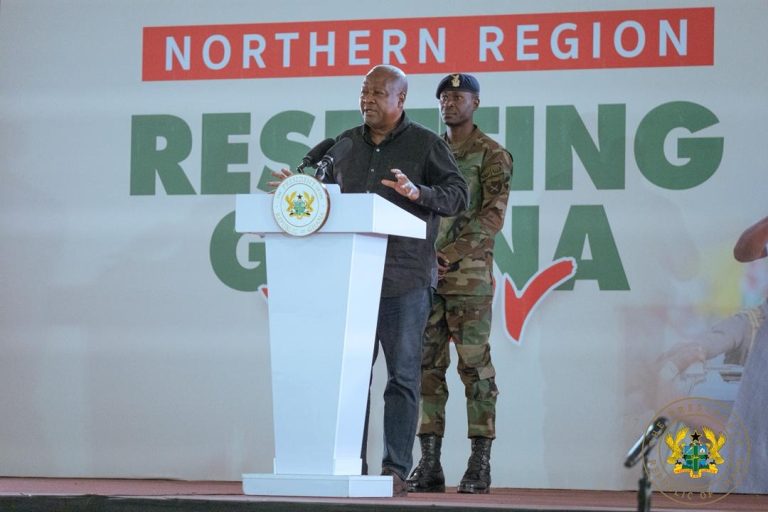
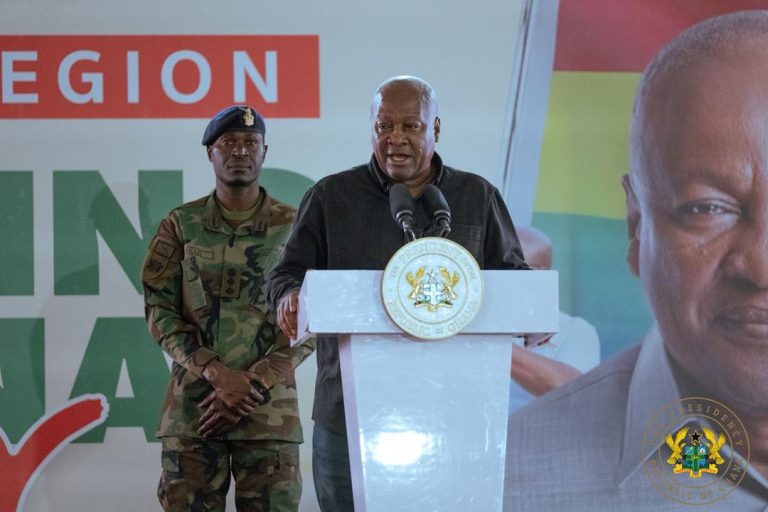
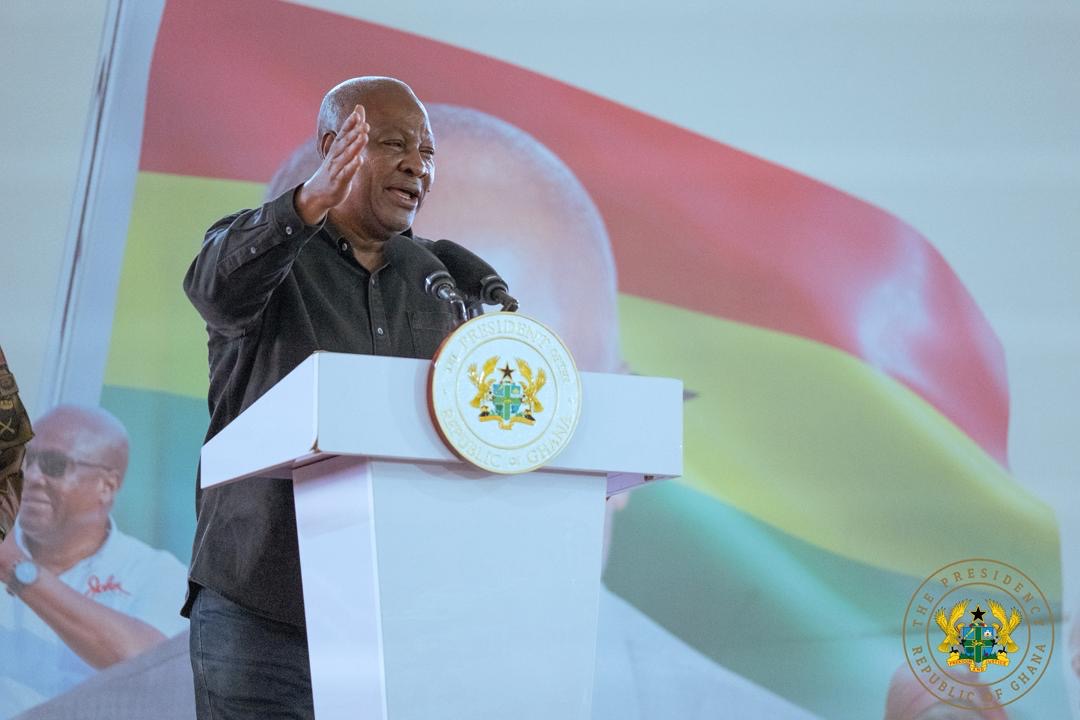
The President made the pledge on Sunday at the ResettingGhana citizens engagement at the University for Development Studies in Tamale, telling residents that the north’s long history of road deprivation was being addressed head-on.
“I know that the northern part of the country has been one of the most deprived when it comes to road network. I can assure you that by the time we have concluded our road rehabilitation programmes, the five northern regions will have much, much better roads than you have ever had in the history of this country,” he noted.
He said the current phase of construction was just the beginning, saying it is the first phase of a broader Big Push programme, with more roads being scoped for inclusion in subsequent phases. He urged residents whose roads had not yet been reached to remain patient.
“If your road is not yet being worked on, be rest assured that we will be coming to you,” he said.
Several specific roads in the northern corridor were named by the President as being in the pipeline, including the Chereponi-Bunkpurugu road, the road to Bintiri, Saboba to Chereponi, Yendi to Saboba, the Salaga to Bimbila road and the Kpandai to Salaga road.
A bridge at Chuchuliga, which will create a shorter route between Bimbila and Zabzugu, is also planned.
President Mahama said the focus of the road programme was on highways linking regions to each other and regional capitals to districts, ensuring that the infrastructure backbone of the country was strengthened from the ground up.
He noted that the scale of the programme was made more remarkable by the fact that it was being funded entirely without external borrowing, given Ghana’s continued exclusion from the international capital market following the debt default.
Richard Aniagyei, ISD