
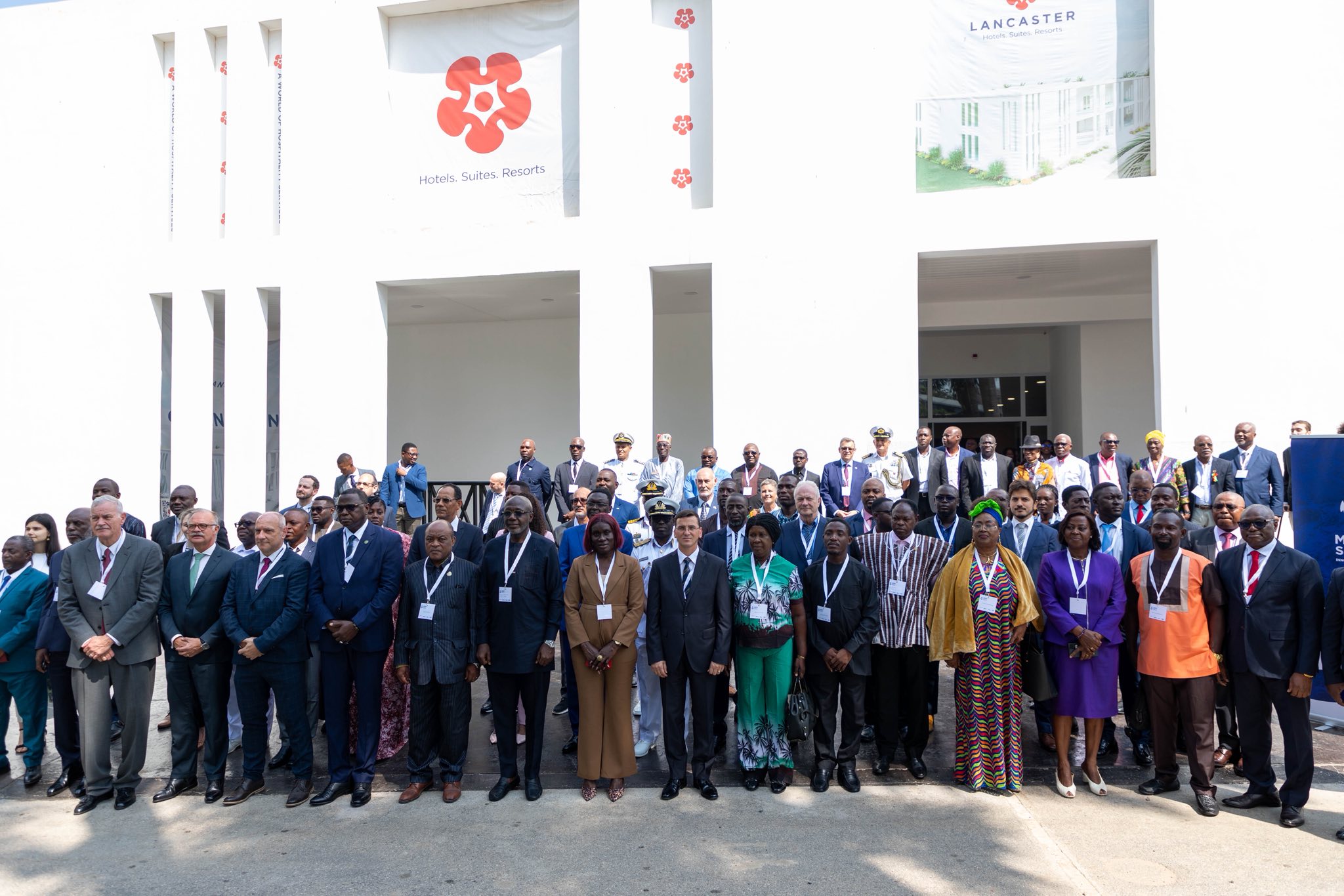
Ghana’s Chief of Naval Staff advocates for African Ownership in Maritime Security
December 4, 2025 Defence 0 CommentThe Chief of Naval Staff, Rear Admiral Godwin Livinus Bessing, has called for a transformative approach to maritime security and the Blue Economy in the Gulf of Guinea.
In his keynote address at the opening of the 2025 Maritime Security Innovations and Partnerships for the Future Conference on Tuesday, in Accra, he emphasised the urgent need for African nations to take ownership of their maritime security, advocating for a regional shift that prioritises inclusivity and collaboration.
Rear Admiral Bessing outlined a framework guided by three key priorities, including strengthening regional frameworks like the Yaoundé Architecture, engaging the private sector as active stakeholders, and fostering partnerships that promote youth empowerment and gender equality.
He mentioned that these steps were essential to reduce reliance on state actors and enhance the effectiveness of maritime operations across the region.
“The future of security in our waters must be driven by collective African efforts,” Admiral Bessing said.
He highlighted the critical role that political will and solidarity among African countries play in addressing the challenges facing maritime security. He pointed out that the integration of emerging technologies, including satellite surveillance, artificial intelligence, and circular fuel technologies, can enhance the region’s ability to protect its waters.
Rear Admiral Bessing referenced the establishment of the Combined Maritime Task Force for the Gulf of Guinea in 2023 as a landmark initiative. This development, he noted, exemplifies Africa’s capability to create and implement effective maritime solutions while complementing existing frameworks like the Yaoundé Architecture.
“African ownership goes beyond simply deploying ships; it means aligning our maritime security strategies with our economic, environmental, and social goals,” he highlighted.
The Chief of Naval Staff underscored the vast potential of the Blue Economy, which includes sustainable fisheries, offshore energy, and youth employment opportunities, all of which align with the African Continental Free Trade Area Agreement (AfCFTA).
However, he cautioned that these benefits could only be fully realised if the seas are secure, governance is credible, and partnerships are truly inclusive.
Reflecting on the impact of the Yaoundé Code of Conduct, an agreement established in 2013 to combat piracy and illicit activities, he acknowledged progress in intelligence sharing among nations but emphasised the need for continued improvement.
The Director General of the Ghana Maritime Authority, Dr Kamal-Deen Ali, reinforced the link between maritime security and prosperity.
He stated, “Maritime security is key to Ghana’s development, regional progress and final connectivity.”
Dr Ali, stating “no shipping, no shopping,” announced that the GMA would enhance its technical capabilities with the upcoming rollout of a new Vessel Traffic Monitoring System, and utilise advanced over-the-horizon technology.
The Conference, hosted in partnership with the United Nations Institute for Training and Research (UNITAR), the International Maritime Organisation (IMO), and the Atlantic Centre, the two-day conference convened maritime leaders and international partners to exchange best practices and innovative solutions. The event also received support from the German Federal Foreign Office and the Ghana Maritime Authority.
Margaret Adjeley Sowah, ISD
Post a Comment