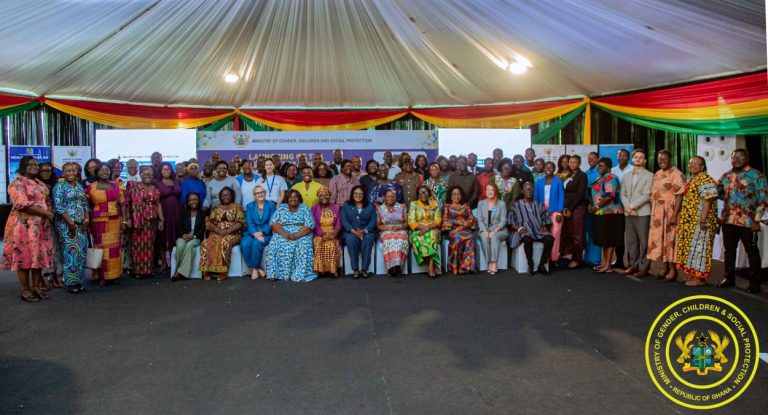
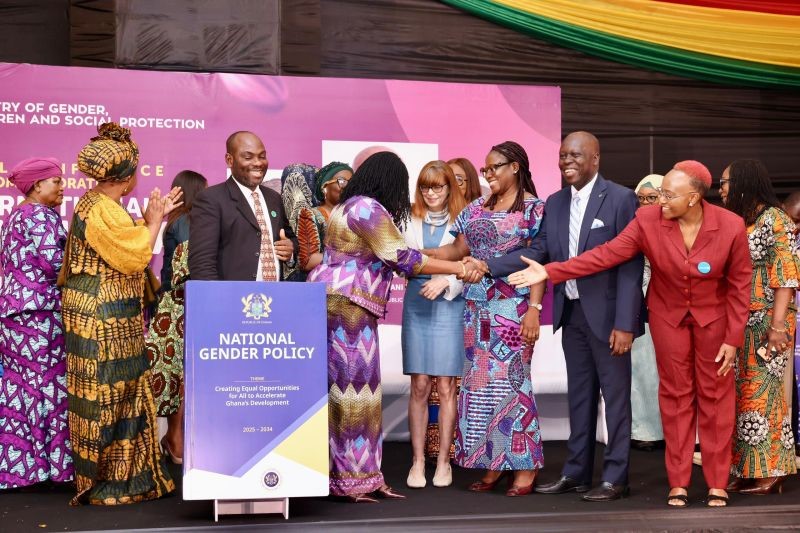
Ghana has begun a new chapter of its gender equality plan with the launch of the National Gender Policy 2025 to 2034, during an International Women’s Day event.
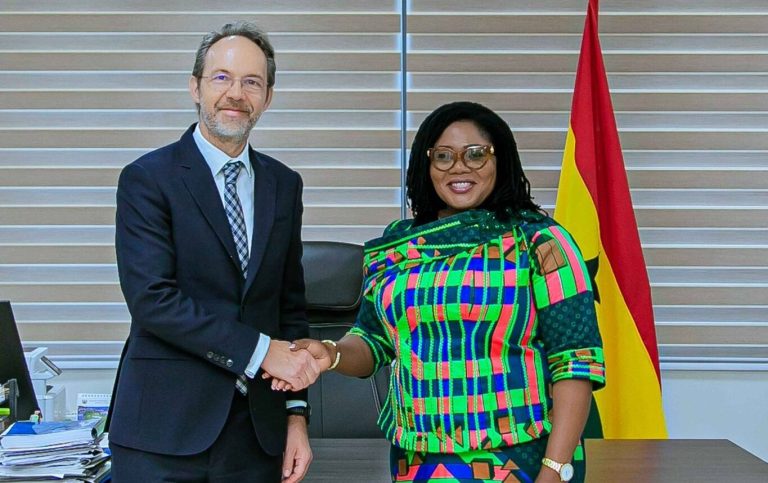
Speaking on Tuesday at the ceremony in Accra, the Minister for Gender, Children and Social Protection, Dr Agnes Naa Momo Lartey, said the new policy signals a renewed national focus on political inclusion, justice and equal opportunity for women and girls.
She described the observance as more than a symbolic anniversary, noting that over a century of advocacy has led to progress in breaking barriers, shaping policy and expanding women’s participation in public life.
According to her, during the 39th Ordinary Session of the African Union Assembly in Addis Ababa, the President of Ghana, in his role as AU Gender Champion, told African leaders that gender equality was tied to sustainable development and economic growth. She reiterated that the message reflects Ghana’s own national resolve to pursue equality across all sectors.
Dr Naa Momo Lartey noted that the new policy aligns with the government’s development agenda, which places women’s rights at the centre of national planning.
“It commits the state to strengthen legal, institutional and social protection systems, and to fully implement existing frameworks such as the Domestic Violence Act, the Affirmative Action Act and the National Gender Policy,” she said.
She pointed to Ghana’s election of its first female Vice President and increased female representation across the executive and judiciary as evidence of changing attitudes toward women’s leadership.
Dr Lartey said the policy also emphasises gender-responsive budgeting, improved data systems, and measurable performance indicators across ministries and agencies. She further stated that while progress has been recorded, sustained efforts are required to close remaining gaps in political representation, economic access and justice delivery.
She pledged to expand access to justice for survivors of gender-based violence through improved shelters, legal aid and psychosocial services. Collaboration with institutions such as the Domestic Violence and Victim Support Unit of the Ghana Police Service and the Ghana Health Service is expected to be strengthened to ensure coordinated responses.
The Minister commended development partners, including UNICEF and the United Nations Population Fund, for their technical and financial support toward advancing the gender equality agenda.
She called for united action among government institutions, civil society, security agencies, and international partners to create an inclusive society where every woman and girl can live with dignity and security.
“Parliament is urged to exercise oversight to ensure compliance, while the private sector is encouraged to invest in equal opportunity initiatives,” she added.
On her part, the Chair of the Women’s Caucus in Parliament, Madam Comfort Doyoe Cudjoe-Ghansah, noted that policies alone do not change lives unless they are effectively implemented.
She stated that the Women’s Caucus will support advocating for gender-responsive legislation that protects the rights of women and girls, securing adequate budgetary allocations to ensure effective implementation, strengthening parliamentary oversight to monitor progress and outcomes, promoting bipartisan collaboration, and recognising that gender equality goes beyond political boundaries.
“The advancement of women’s rights is not a particular issue; it is a national imperative. This year’s Women’s Caucus has the focus on three essential pillars: rights, justice, and action,” she said.
She said, the policy marks a decisive step in Ghana’s journey towards substantive equality, describing it as more than a document but a national framework for strengthening institutional accountability, women’s empowerment, social protection systems, and the dignity and rights of women and girls.
She reaffirmed her unwavering commitment to advancing rights, securing justice and driving action for all women and girls in Ghana.
“Let us together build a Ghana where equality is not an aspiration but a legal remedy,” she added.
International Women’s Day (IWD) is celebrated on 8 March, commemorating women’s fight for equality and liberation. The global celebration of International Women’s Day was held under the theme, “Rights, Justice and Action for All Women and Girls.”
Priscilla Osei-Wusu Nimako, ISD