
Cabinet Approves Restriction on Export of Scrap Metals, Raw Rubber to Protect Domestic Industries
January 21, 2026 News 0 CommentCabinet has approved restrictions on the export of non-ferrous scrap metals and raw natural rubber to protect domestic industries and ensure adequate supply of raw materials for local manufacturers.
The export ban forms part of the government’s Feed the Industry Programme, aimed at ensuring sustainable supply of raw materials to support local manufacturing and industrial growth.
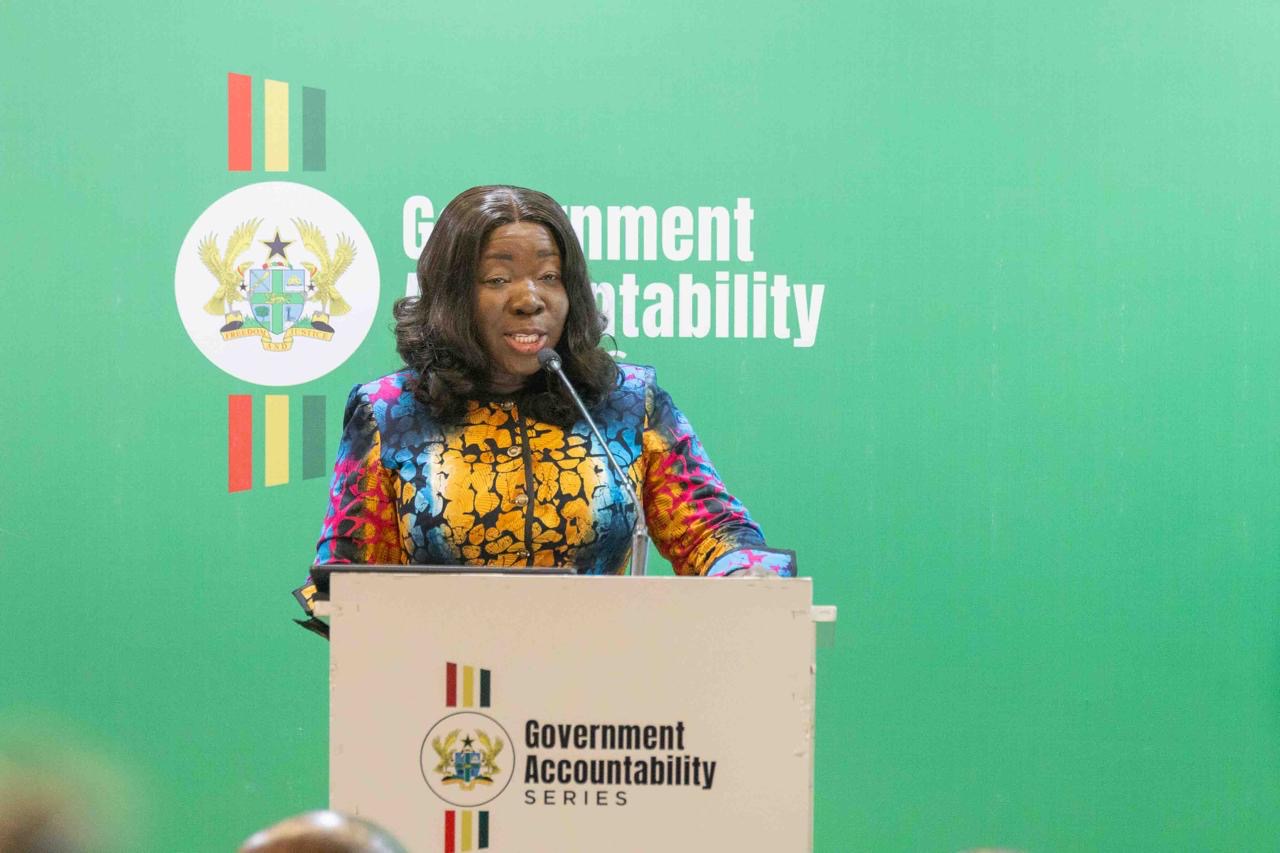
The Minister of Trade, Agribusiness and Industry, Elizabeth Ofosu-Adjare, announced the policy on Wednesday during the Ministry’s presentation at the Accountability Series at Jubilee House.
“Cabinet approval to restrict export of non-ferrous scrap metals and raw natural rubber to protect domestic industries,” the Minister stated, explaining that the measure is necessary to safeguard the interests of local manufacturers who depend on these materials.
The decision comes amid concerns that unregulated export of scrap metals and raw rubber has been depriving local industries of critical inputs, forcing some manufacturers to import materials at higher costs or scale down operations.
The Feed the Industry Programme is one of eight priority initiatives being implemented by the Ministry to drive economic transformation and job creation.
Under the programme, the government has also secured 40,000 acres for large-scale contract farming to boost agricultural raw material production.
The Minister explained that the vision of President John Dramani Mahama for the Trade, Agribusiness and Industry sectors is anchored on six key objectives, including accelerating manufacturing growth, positioning agribusiness as the central focus for economic transformation, and structuring the informal economy for sustainable development.
The export restrictions are expected to benefit local industries in sectors such as metal fabrication, rubber processing, and manufacturing, where access to affordable raw materials is critical for competitiveness.
The policy aligns with the government’s broader agenda to reduce the cost of doing business, attract investors, and rejuvenate manufacturing.
The Ministry of Trade and Industry was realigned to the Ministry of Trade, Agribusiness and Industry through Executive Instrument (E.I) 1 of 2025 to enable comprehensive reforms in these areas.
Beyond restricting raw material exports, the government is implementing the Rapid Industrialisation for Jobs Initiative, which includes drafting major industrial policies for textiles, pharmaceuticals, automotive components, and special economic zones.
The Minister revealed that the Ministry has engaged stakeholders in various sectors, including cement, textiles and garments, sanitary products, automotive spare parts, and food and beverages, to address challenges and enhance local production capacity.
The government’s outlook for the year includes establishing 24-hour business registration centres, drafting consumer protection and competition bills, expanding agro-processing plants nationwide, and supporting Ghanaian firms to fully leverage opportunities under the African Continental Free Trade Area
Richard Aniagyei, ISD
Post a Comment