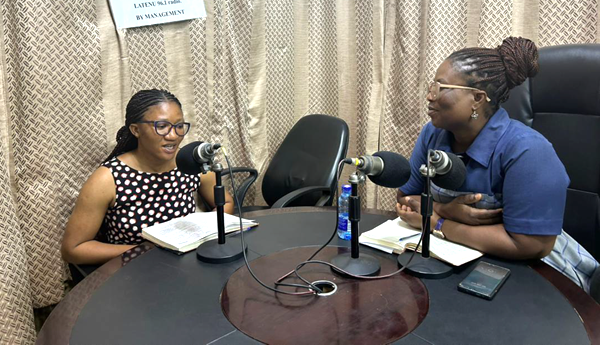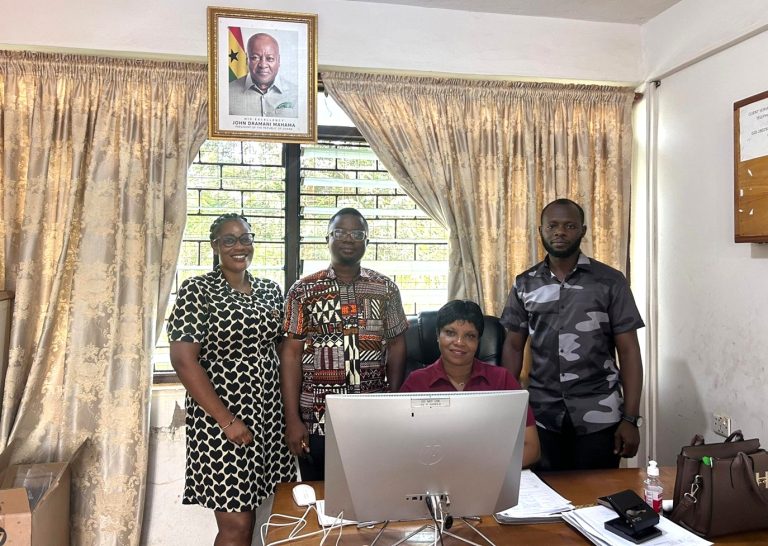

The Right to Information Act, 2019 (Act 989) continues to play a transformative role in deepening transparency and citizen participation across Ghana, particularly through community engagements. A recent sensitisation exercise organised by the Birim North District Assembly at Nkwarteng Presby Primary School, underscored how targeted public education can empower citizens, especially educators, to better understand and exercise their constitutional right to access information. The initiative forms part of ongoing efforts to strengthen accountability structures and promote open governance at the local level.
During the session, teaching staff were taken through the practical procedures for requesting information under the RTI framework, including timelines, formats, applicable fees, and exemptions. The exercise also clarified offences and sanctions under the law, as well as the obligations of public institutions in responding to requests. By demystifying the provisions of the Act, facilitators highlighted how the RTI Law, anchored in the 1992 Constitution of Ghana, serves as a critical tool for citizens to demand transparency and hold duty bearers accountable.
Interactive discussions revealed strong interest among participants in accessing information related to public spending and abandoned projects. Teachers emphasized the need for full disclosure of government-funded projects and financial allocations to ensure effective monitoring and community involvement. Concerns were also raised about the need for properly identified information officers and clearer access to institutional data, particularly for completed public projects. These insights reflect a growing public demand for openness and reinforce the importance of sustained engagement at the community level.
The outcomes of the sensitisation highlight the vital role of continuous public education in ensuring the effective implementation of the RTI Law. Recommendations from the exercise called for enhanced disclosure practices, improved identification systems for information officers, and greater accessibility of public records. As local assemblies intensify such outreach initiatives, community members are increasingly equipped to participate in governance processes, reinforcing a culture of accountability and strengthening democratic development across Ghana.