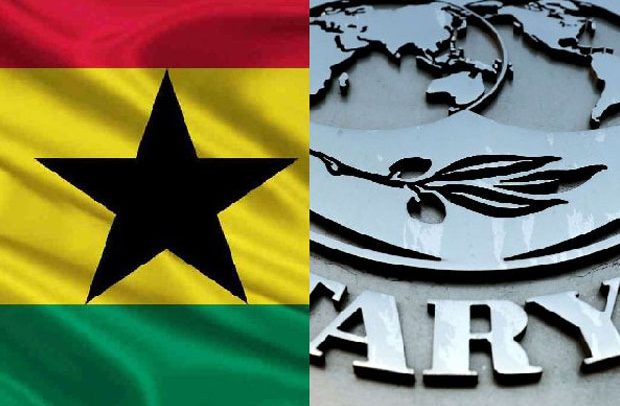
Ghana has formally concluded its Extended Credit Facility (ECF) programme with the International Monetary Fund, bringing an end to the country’s financial bailout relationship with the Fund ahead of the original timeline, the government has announced.
In a press statement signed by the Minister for Government Communications, Felix Kwakye Ofosu on Friday, the government said the conclusion of the ECF programme marked the restoration of macroeconomic stability and debt sustainability, achieved through a series of reforms implemented after the programme was derailed at the end of 2024.
Upon returning to office in 2025, the Mahama administration moved to bring the programme back on track through frontloaded fiscal consolidation, expenditure rationalisation, and structural reforms.
The results, according to the statement, have been tangible: inflation has come down, the cedi has strengthened, public debt as a share of GDP has fallen, and economic growth has rebounded.
Ghana’s sovereign credit rating has also seen a dramatic turnaround, climbing from restricted default status to a ‘B’ rating with a positive outlook, representing five distinct rating upgrades.
The country’s gross international reserves have reached an all-time high of approximately US$14.5 billion as of February 2026, equivalent to nearly six months of import cover.
Going forward, Ghana will transition to a Policy Coordination Instrument (PCI) with the IMF, a non-financing technical assistance arrangement that does not constitute a bailout.
The PCI is designed to help countries implement economic reforms, signal commitment to sound policies, and unlock financing from private investors and development partners.
The government said the arrangement would complement its efforts to attain an Investment Grade credit rating, which would lower borrowing costs, attract long-term institutional investors, increase foreign direct investment, and open up cheaper financing for infrastructure and private sector growth.
The government expressed gratitude to the people of Ghana for their sacrifices and resilience during the adjustment period, and also thanked bilateral creditors, the Official Creditor Committee, and external and domestic investors for their support.
Richard Aniagyei, ISD