Ghana and Burkina Faso have reaffirmed their commitment to strengthening trade ties despite ongoing challenges linked to tomato exports.
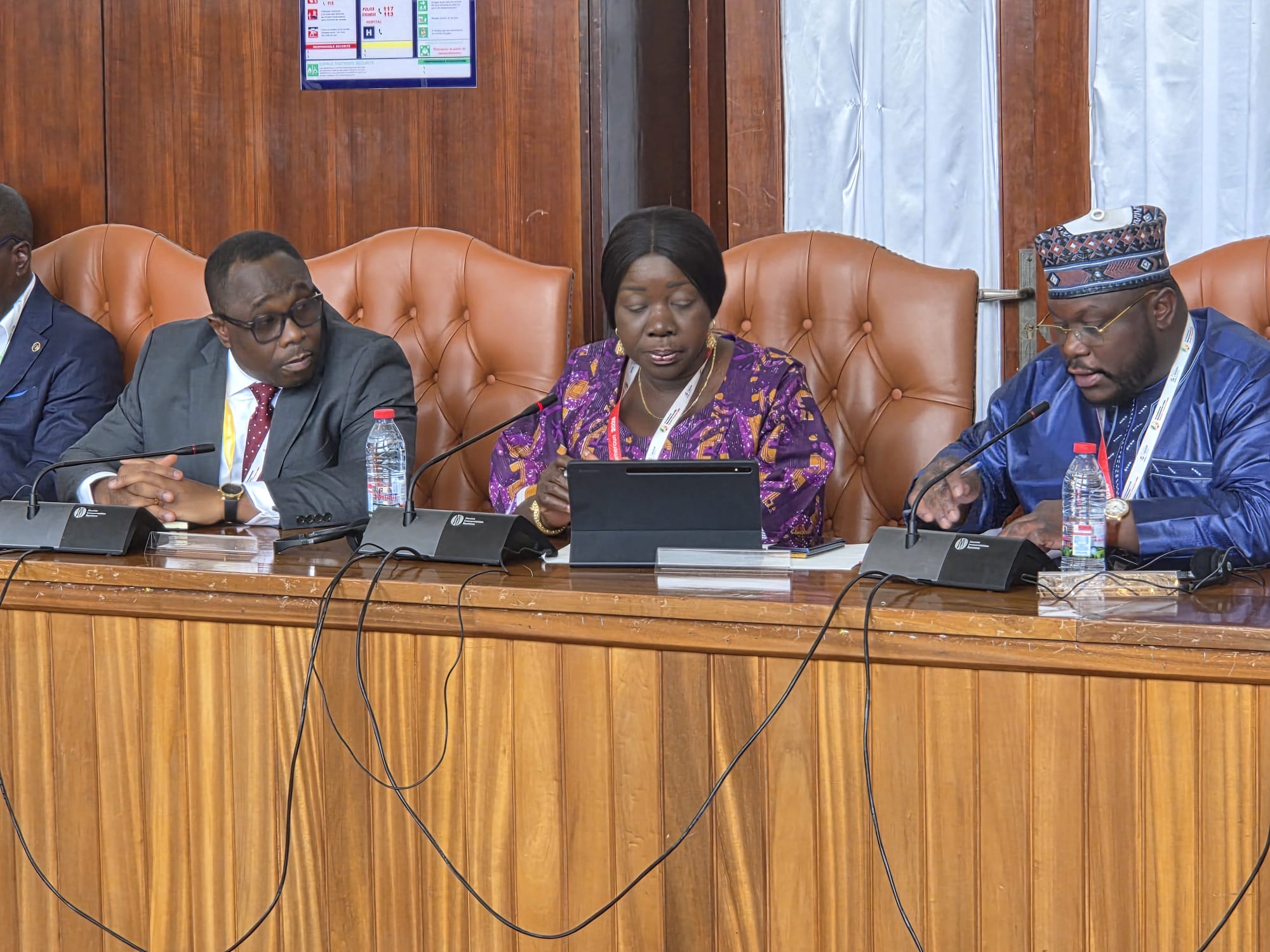
The Minister for Trade, Agribusiness and Industry, Mrs Elizabeth Ofosu-Adjare, held talks with Burkina Faso’s ambassador and delegation on the sidelines of the 14th Ministerial Conference of the World Trade Organisation in Yaoundé, Cameroon.
She said Ghana and Burkina Faso share longstanding ties and noted that trade between the two countries remains central to job creation and economic growth, and urged both sides to take steps to increase trade volumes and improve market access.
She invited the Burkinabè delegation to provide a list of their top imports to help Ghanaian businesses identify supply opportunities.
The Minister praised Burkina Faso’s resilience in agricultural production, especially tomatoes and onions, and urged closer cooperation to promote knowledge sharing and sector growth.
She raised concerns about the impact of insecurity in parts of Burkina Faso on cross-border trade, stressing the need for joint action to protect traders operating in affected areas.
On the suspension of fresh tomato exports by Burkina Faso, Mrs Ofosu-Adjare said Ghana depends on the country for about 70 to 80 per cent of its tomato supply, with imports valued at around 400 million dollars annually.
She said the policy has affected Ghana’s supply chain and called for a resolution that considers the interests of both countries.
She announced plans to host between 20 and 50 Burkinabè traders in Ghana in the coming months to explore business opportunities across various sectors.
The Burkinabè delegation welcomed the engagement and said the suspension of tomato exports was aimed at ensuring sufficient raw materials for newly established processing factories.
They explained that the policy supports a shift towards local processing and industrial growth.
Both sides agreed to maintain dialogue and deepen cooperation in trade, agriculture, market access and the safety of traders.
Irene Wirekoaa Osei, ISD