Ghana is exploring the possibility of entering into arrangements with Nigeria’s Dangote Refinery to source finished petroleum products, as the blocking of the Strait of Hormuz and the ongoing conflict in the Middle East tighten global fuel supplies and push prices higher.
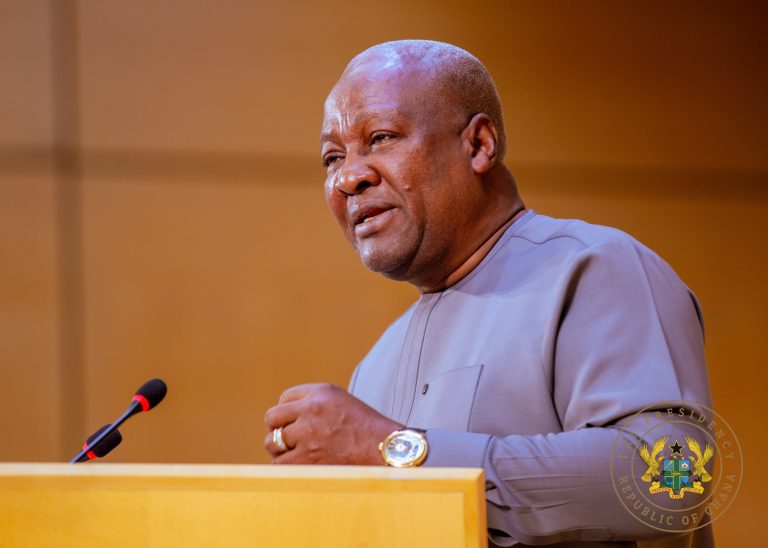
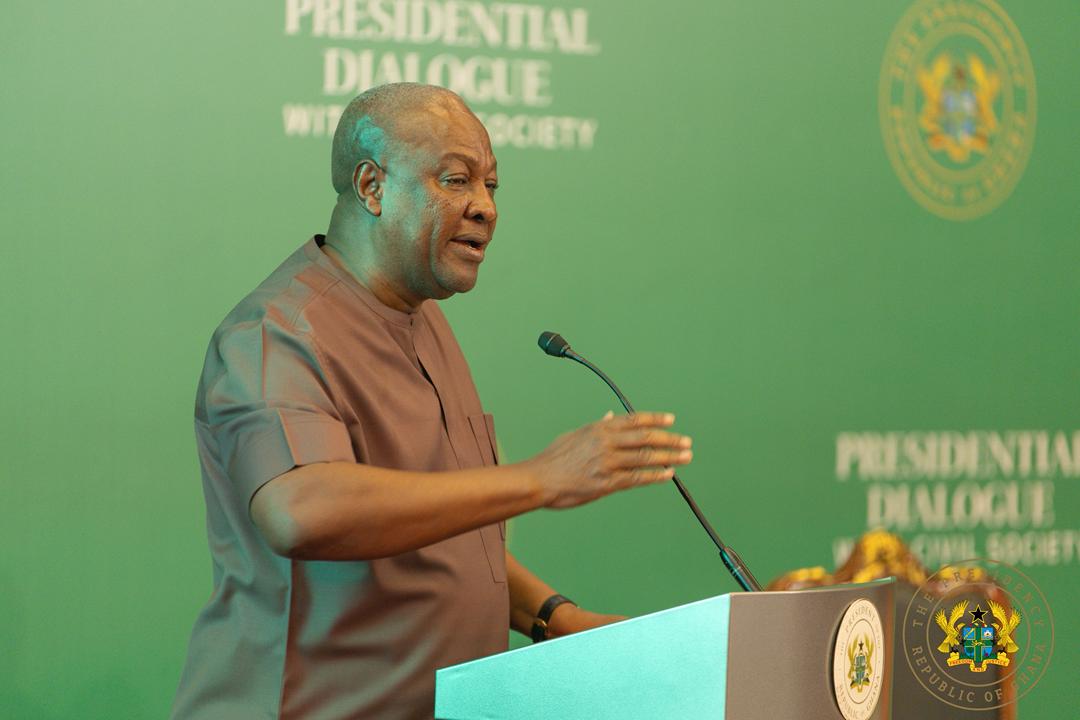
President John Dramani Mahama made the disclosure during a question and answer session at a presidential dialogue with civil society organisations on Monday, where he outlined the steps Ghana was taking to protect its economy from the ripple effects of a conflict he described as already reshaping global energy markets.
He said the disruption to the Strait of Hormuz had triggered a shortage of liquefied natural gas on international markets, partly because Qatar, one of the world’s biggest LNG exporters had been caught up in the conflict.
“When Russia’s war on Ukraine had earlier disrupted gas pipelines to Europe, European nations had turned to Qatar and other Middle Eastern producers to fill the gap, and that demand had already strained supply. The current conflict was compressing supply further,” he explained.
Ghana’s immediate resilience, President Mahama said, came from the country’s shift toward consuming more of its own gas rather than imported liquid fuels, a move that had insulated it somewhat from international price movements.
The World Bank mega-guarantee supporting gas supplies from the ENI-operated Sankofa field, which had been drawn down to zero, had been rebuilt to $500 million by the Finance Minister, he said, and ENI had responded by increasing gas volumes to Ghana.
However, President Mahama said the country needed to go further.
Ghana had signed a memorandum of understanding with the Jubilee Field for a $2 billion investment to drill almost 30 new wells and increase gas flow, and a second gas train was being planned to handle the extra volumes.
“ENI had also agreed to invest $1.5 billion in the offshore Cape Three Points area, with the MOU expected to be signed within weeks,” he disclosed.
In the near term, however, the Dangote Refinery offered a practical option. President Mahama said even though Dangote had raised its prices, Ghana could still compare those prices against international market rates and make a decision.
“If it means entering into some memorandum with him to bring finished petroleum products from Nigeria, I think that we should be able to do that,” he said.
He also pointed to the Tema Oil Refinery as a longer-term part of the solution, saying TOR was gradually getting back on its feet and had begun processing some crude oil.
Ghana had started a programme before 2016 to refine its own crude locally, he said, and the time had come to revive and build on that approach so that the country was less exposed when global supply chains were disrupted.
Richard Aniagyei, ISD