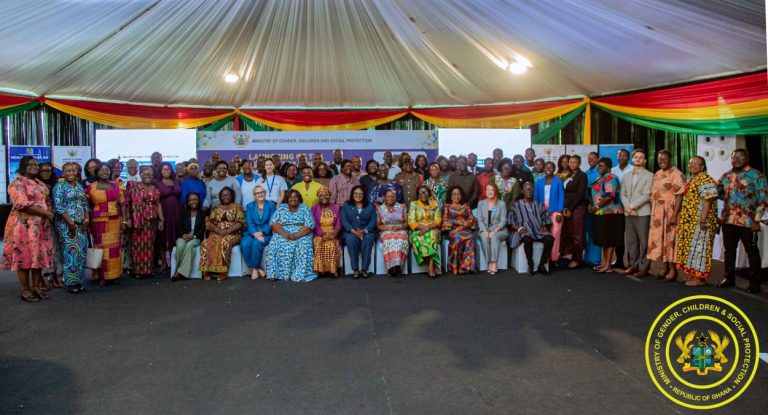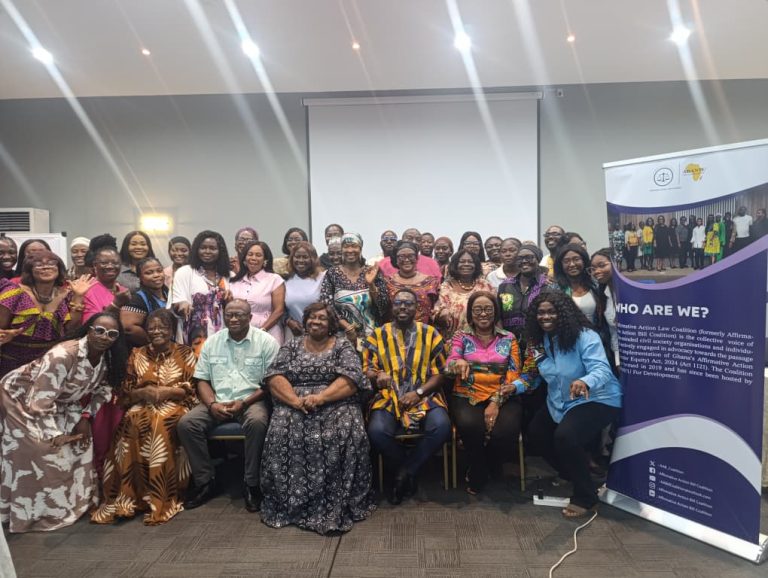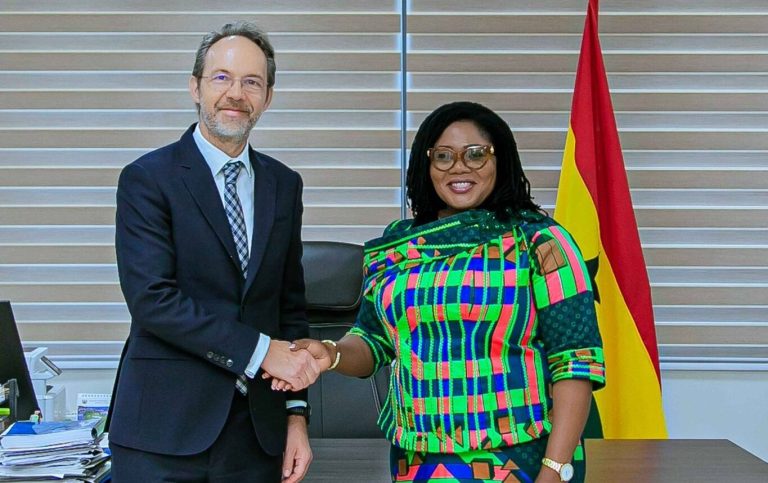

The Minister for Gender and Children’s Affairs of the Republic of Sierra Leone, and Chair of the ECOWAS Ministers Responsible for Gender, Dr Isata Mahoi, has called for increased efforts to promote women’s and youth’s participation in politics in West Africa.
Speaking at the West African ministers responsible for gender affairs at the Regional Consultation on Political Participation and Leadership of Women and Youth in West Africa on Thursday in Accra, the Minister emphasised the need to dismantle barriers hindering women and youth from fully engaging in politics.
“This meeting is historic, it is a platform to reaffirm our collective commitment to dismantling barriers and charting a new course where women and youth are not merely participants, but leaders and decision-makers,” she said.
She noted that women and youth bring perspectives that enrich governance, strengthen accountability, and ensure that our societies are more resilient and equitable; their exclusion is not only a democratic deficit, but a missed opportunity for transformation.
Dr Mahoi urged member states to adopt bold measures, including quotas, affirmative action, and gender-sensitive electoral reforms, to correct historical imbalances and ensure that women and youth are not just participants, but leaders and decision-makers.
“Our deliberations must be bold, our recommendations practical, and our resolve unwavering,” she added.
The Minister’s call to action comes as ECOWAS member states grapple with the sobering reality that women and youth, who make up the majority of the population, remain marginalised in political decision-making.
“We must invest in civic education, mentorship, and digital platforms that empower young people to lead and to serve,” she added.
She encouraged member states with renewed resolve to dismantle barriers, amplify voices, and ensure that women and youth are not spectators, but architects of West Africa’s democratic future.
On her part, the Minister for Gender, Children and Social Protection, Ghana, Dr Agnes Naa Momo Lartey, noted that studies have shown that in the West African region, women and youth constitute the majority of our population, their efforts in building innovations, resilience and diverse opinions are essential to inclusive governance and sustainable development. However, their representation in political leadership, executive government and decision-making bodies remains limited.
She announced that Ghana is reviewing its National Gender Policy (2025-2034) to mainstream gender concerns into national development processes, while strengthening structured platforms for youth engagement at national and local levels.
“Particular attention is being paid to the inclusion of young women and other under-represented groups,” she said.
Dr Lartey called for deliberate efforts to propose innovative and practical ideas that will expand the political space for women and young people across member states.
“Let us ensure that leadership in West Africa reflects the diversity, strength and aspirations of our people and be a reference point to the rest of the world,” she said.
Dr Lartey commended the leadership of the ECOWAS Commission for incorporating the ministerial dialogue, stating it illustrates their continuous commitment to promoting gender inclusion in diverse ways in our sub-region.
The meeting, held, aims to examine the challenges facing women and youth in politics, share best practices, and develop a collective roadmap for promoting gender parity in the region.
Grace Acheampong, ISD