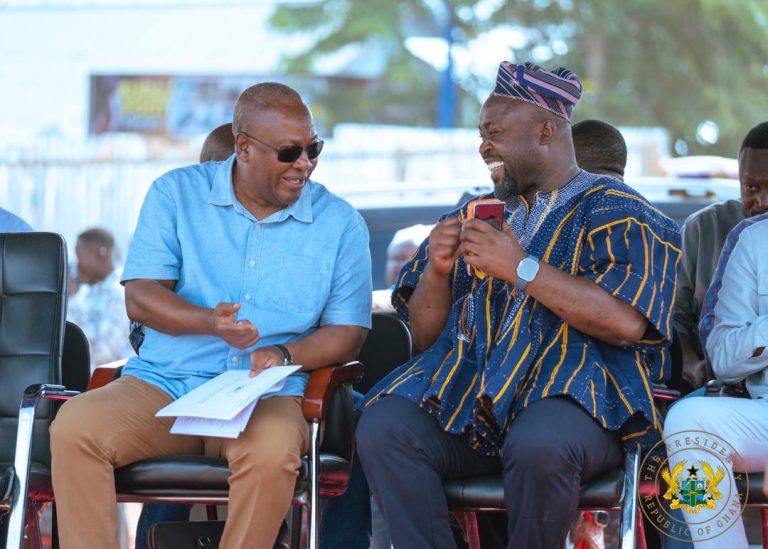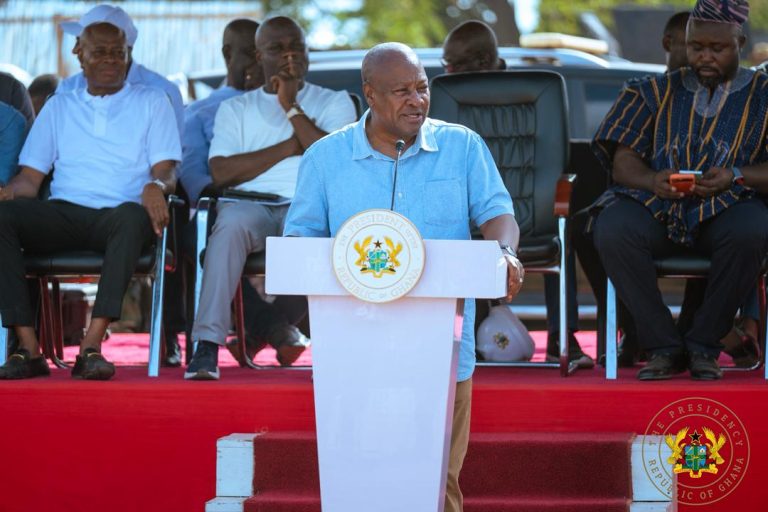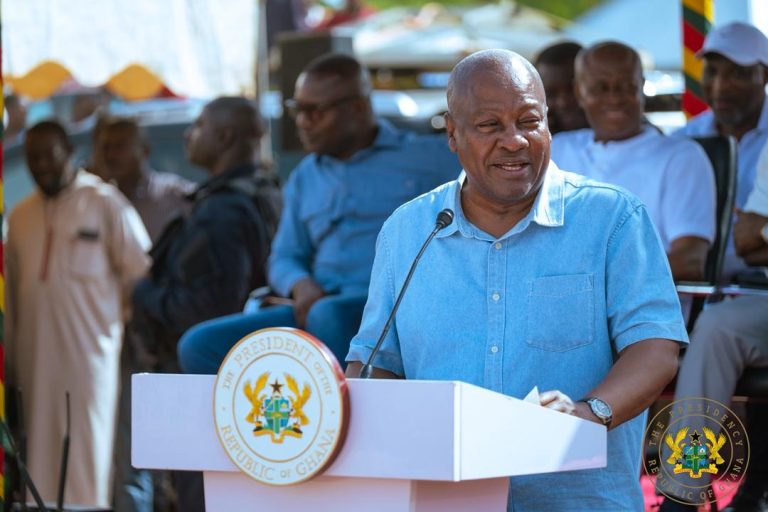
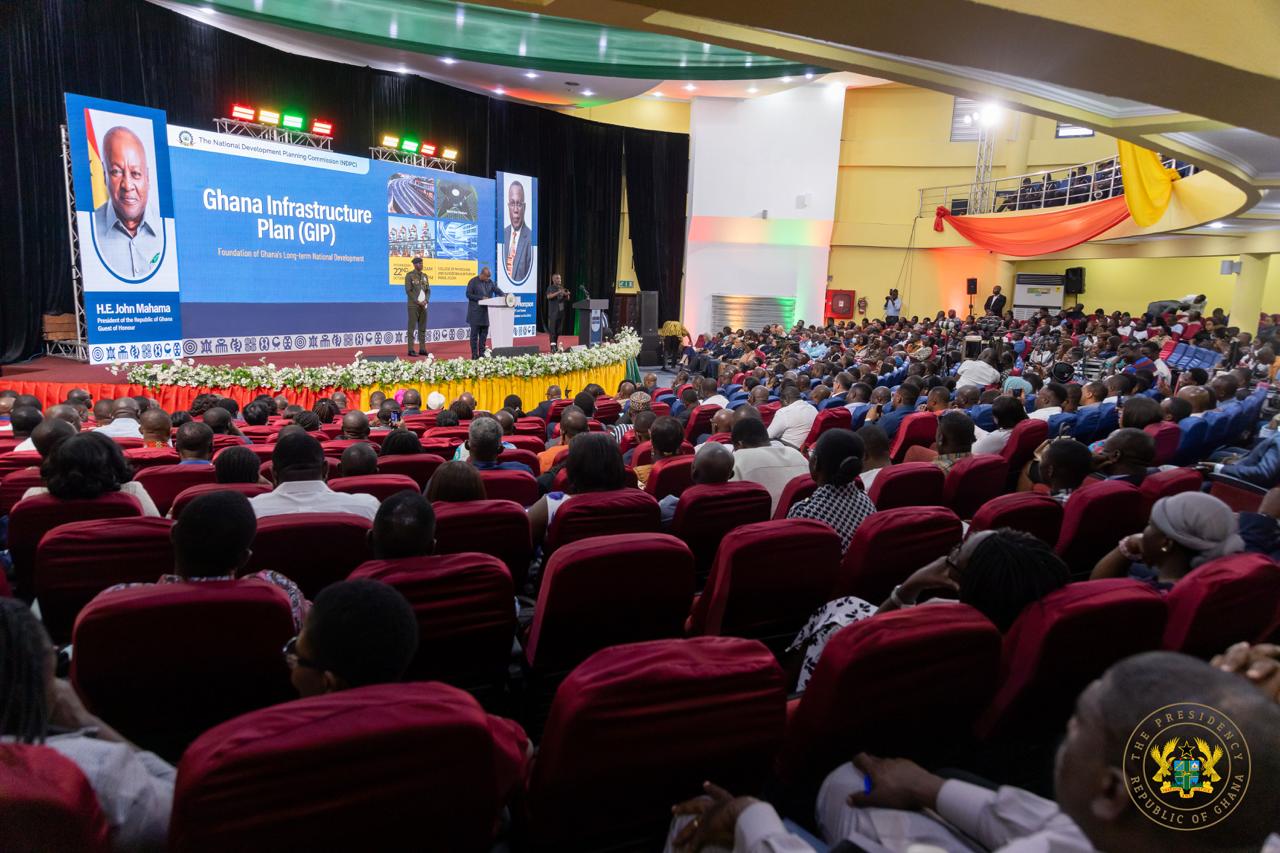
President John Dramani Mahama has officially launched the Ghana Infrastructure Plan marking a step in the nation’s long-term development strategy.
Spearheaded by the National Development Planning Commission, the GIP outlines Ghana’s vision and strategic direction for infrastructure development serving as the physical embodiment of the country’s social and economic aspirations.
Speaking at the launch President Mahama said the gathering was not just for a launch but to rekindle a vision.
“Today, we gather not just for a launch, but to rekindle a vision. This is a journey that began over a decade ago when I had the honour, as President, to initiate the development of a long-term infrastructure plan for our beloved country,” he said.
He described the GIP as a forward-looking national blueprint set to guide Ghana’s infrastructure journey through to 2057.
President Mahama explained that the GIP provides a 30-year strategic framework that outlines how Ghana will design, finance and implement infrastructure projects to improve the quality of life and support sustainable economic growth.
He emphasized that this plan is not just about building physical structures but about shaping the nation’s future.
“But as we look ahead, we must also look back, for every renewal starts with reflection,” he said.
The President recalled the country’s first development blueprint, the Seven-Year Development Plan launched in 1963 under Osagyefo Dr Kwame Nkrumah.
“Dr Nkrumah recognised that infrastructure was the foundation of a modern, industrialised, and self-reliant nation. He built roads, railways, schools, and energy systems to connect our people and unlock Ghana’s productive potential. That vision was bold, patriotic, and transformative. It remains timeless even today,” he stated.
President Mahama acknowledged the challenges that have hindered progress. He cited the 2024 National Annual Progress Report by the NDPC which revealed that over $70 billion in cost overruns have been recorded across 18,000 capital projects with many facing delays or abandonment.
“We must reflect on the painful truth that, despite our ambition, infrastructure delivery has often been fragmented, politicised, and inefficient. We inherited Nkrumah’s dream, but we have yet to fulfil its promise,” he said.
The President stressed that the GIP represents a strategic reset aligning Ghana’s infrastructure development efforts with the government’s Big Push Agenda, the African Union’s Agenda 2063 and the United Nations Sustainable Development Goals.
He noted that the plan introduces a new integrated planning model designed to promote balanced regional development and ensure equitable access to opportunities for all Ghanaians.
President Mahama pointed out that the Ghana Infrastructure Plan was initially completed in 2016 and revised in 2019 but was shelved for years.
“Today, we reaffirm this framework as essential for national transformation,” he stated.
He concluded with a rallying call to build a Ghana that works for everyone.
“Let us not just build roads and bridges, but a Ghana that works for everyone and where vision meets discipline, and where continuity, transparency, and innovation illuminate the path to a shared future,” he said.
Richard Aniagyei, ISD