
Gender equity in surgical training and leadership is not only a matter of fairness but also a practical necessity for stronger, more resilient health systems.
I therefore encourage the West African College of Surgeons to maintain deliberate measures that promote female participation across all surgical disciplines.
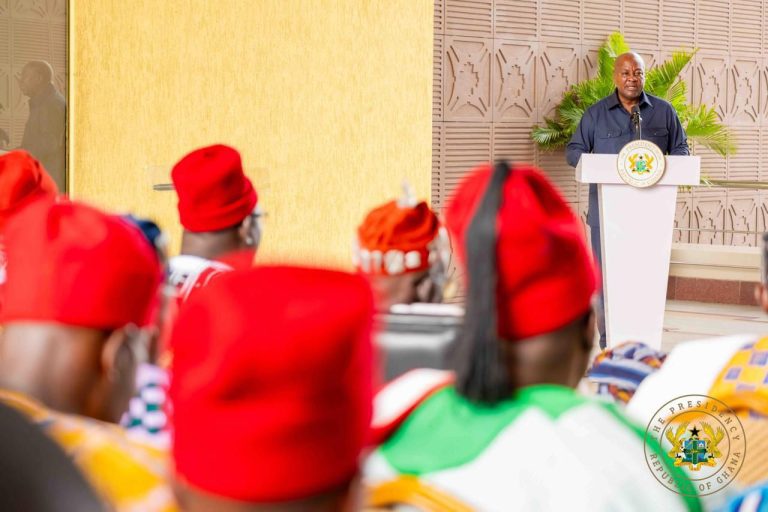
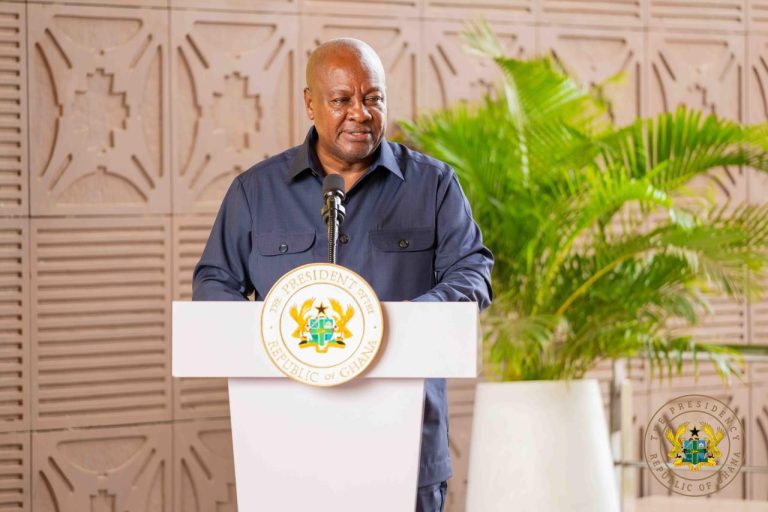
President John Dramani Mahama made this admonition at the 66th Annual Conference of the West African College of Surgeons in Accra, President Mahama
This, according to the President, should be done through mentorship, supportive institutional policies, and training structures that enable excellence alongside family responsibilities.
President Mahama emphasized that capacity building must be understood in a broader sense beyond just producing more surgeons.
He stated that capacity building is equally about strengthening the teams and systems that support safe surgery, including anesthesia, nursing, diagnostics, blood services, sterile supply chains, critical care, and reliable referral pathways.
According to him, it also requires strong clinical governance, continuous professional development, and regulatory frameworks that protect patients while enabling skilled practice.
President Mahama said that the government remains committed to strengthening these foundations.
He added that the government will carefully study the recommendations coming out of the conference and work with stakeholders to implement those that require immediate action while developing structured pathways for longer-term reforms.
He noted that the government recognizes the need to expand and upgrade health infrastructure across countries in the sub-region, but stressed that governments must be realistic about the fiscal constraints many health systems face.
President Mahama stated that this calls for sustainable and innovative financing and service delivery models, including responsible private sector participation that safeguards equity, quality, and affordability.
He stated that governments working with professional bodies and training institutions must explore practical mechanisms to support newly trained health professionals in establishing viable services, particularly in underserved and unserved communities, while ensuring appropriate oversight and adherence to standards.
President Mahama also addressed the migration of skilled health professionals, stating that it is placing increasing pressure on health systems across the region.
He said the response must be deliberate and practical, including improving working conditions, strengthening career pathways, enhancing professional recognition, and creating environments in which health workers can thrive and choose to serve.
He stated that Ghana is implementing the Ghana Mahama Care Trust Fund as a key pillar of the national response to non-communicable diseases.
President Mahama said the fund supports treatment for priority conditions, including cancers, chronic kidney disease, and cardiovascular diseases.
He noted that in surgical care, timely access is essential, as trauma, obstetric emergencies, cancers, congenital conditions, and acute surgical illnesses require prompt and safe interventions.
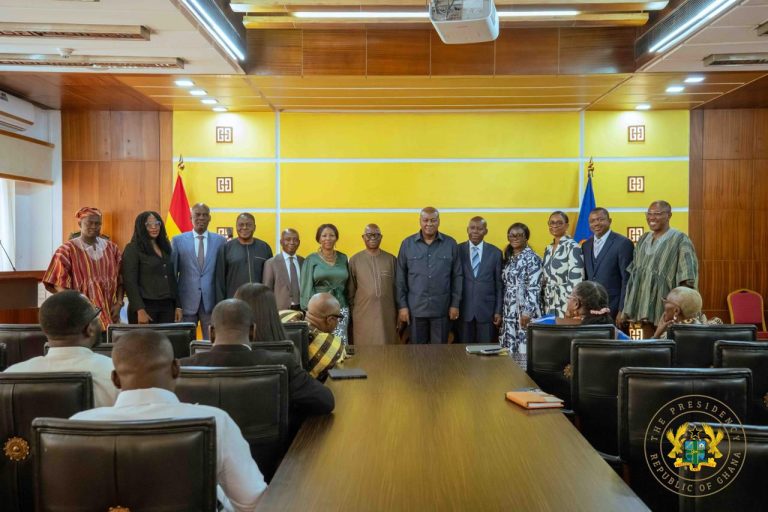
President Mahama was named Grand Patron of the conference and admitted as an honorary fellow of the West African College of Surgeons.
He stated that he accepts these recognitions on behalf of all the people of Ghana with humility and renewed commitment to support the work of the college.
Richard Aniagyei, ISD