The Country Director for Johns Hopkins Program for International Education in Gynaecology and Obstetrics (JHPIEGO), Dr Pearl Nanka-Bruce, has indicated that a strong health system requires effective health communication.
This, she said, would help people understand the services available to them and trust the information they receive.
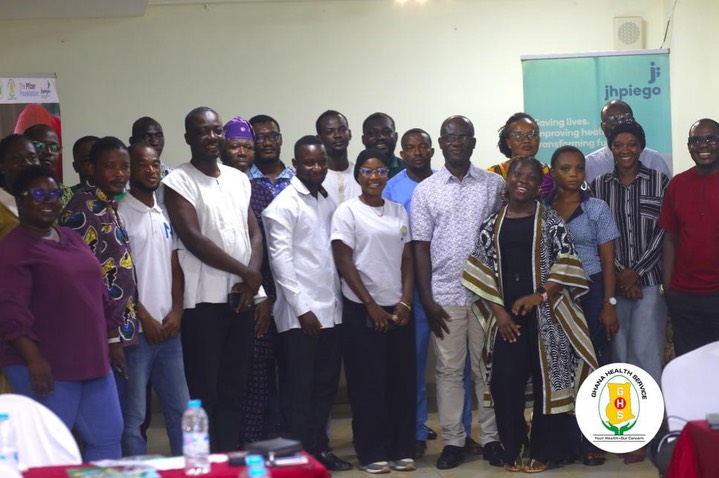
Dr Nanka-Bruce stated this at the media exchange programme held last week in Tamale by the Ghana Health Service in collaboration with the Ministry of Health and JHPIEGO to highlight the critical role of information, collaboration, and trust in strengthening health systems.
She added that without this trust and understanding, even well-designed health programmes may not achieve their intended impact.
She emphasised the role of the media in supporting health workers to deliver essential services and ensuring that communities are informed, engaged, and empowered to make appropriate health decisions.
Dr Nanka-Bruce encouraged a continued collaboration to ensure that critical health information reaches every community and contributes to improved health outcomes.
Speaking on behalf of the Regional Director of Health Services, the Non-Communicable Diseases (NCD) Coordinator at the Northern Regional Health Directorate, Dr Joyce Amoah, commended the media for their continued support, noting that strong health systems rely not only on a capable workforce but also on effective communication to ensure communities understand and trust available health services.
She added that the information shared must be clear, factual, and empowering, and also acknowledge partners for their sustained support in strengthening screening, treatment, and referral systems in the region.
The meeting highlighted the critical need for collaboration between health officials and the media to share accurate facts, promote healthy habits, and empower people. It was emphasised that the media acts as a key link, turning complicated health data into simple, understandable information that builds public trust and makes health services more effective.
Participants were also taken through a range of projects being implemented, which included the MaNucare Project (looks at Maternal and Newborn Health), the BEAT Project (tackles Breast Cancer), and the RISE Project (which deals with Pandemic Preparedness and Health Security).
The workshop further provided in-depth training on the media’s role in promoting responsive, accurate, and responsible health communication, particularly in the context of public health emergencies and routine health reporting.
Facilitators encouraged journalists to serve as strong advocates for public health by leveraging their platforms to educate, inform, and empower communities with credible and timely information, while supporting ongoing health interventions and national health campaigns.
Grace Acheampong, ISD