
The government has announced plans to introduce a new high-flesh tomato variety for farmers in the Upper East region and reactivate the Pwalugu tomato factory to support local processing and value addition.
The initiative, part of the Feed Ghana Program’s vegetable component, will equip the factory with additional equipment to make it fully functional for producing and packaging tomato products for the market.
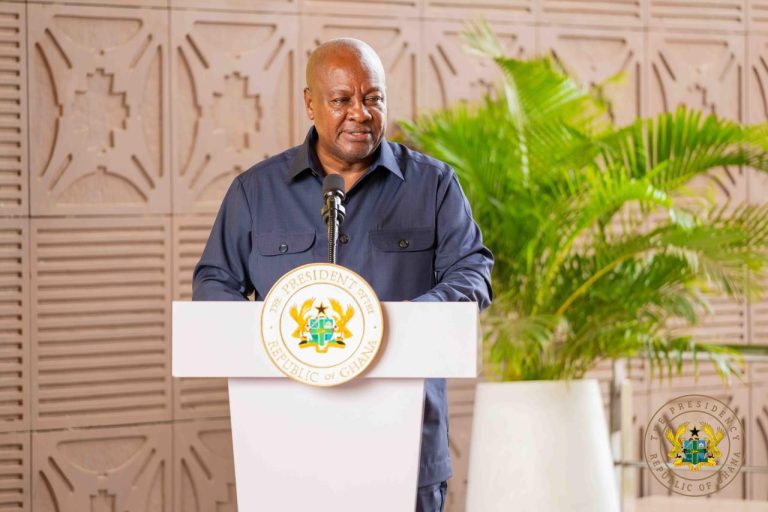
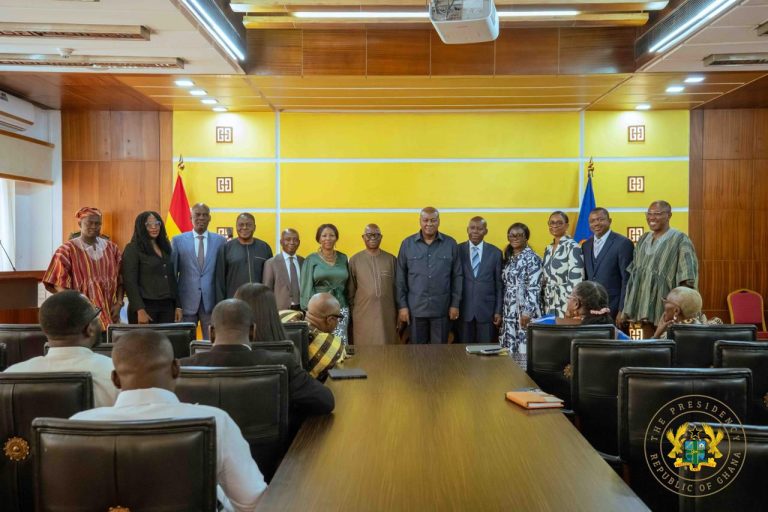
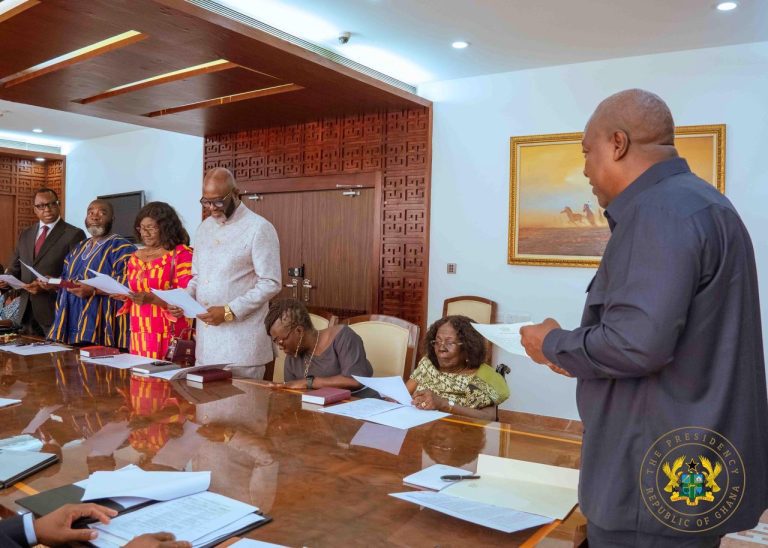
President John Dramani Mahama disclosed this on Tuesday at the Jubilee House during a courtesy call by the Upper East Regional House of Chiefs.
The President explained that the new tomato variety has more flesh and less water content compared to the traditional variety currently grown by farmers, making it ideal for processing and preservation.
“We are currently working with the tomato farmers introducing a special variety of tomato which has more flesh. The traditional variety that people are used to farming is the watery type. Once you crush it, it’s all water. Almost 80% water and only 20% meat,” President Mahama said.
He added that the new variety, which contains approximately 80% flesh and 20% water, is better suited for making tomato puree and other processed products.
Under the Ministry of Agriculture’s Feed Ghana Program, experts are already working with farmers to distribute and cultivate the new variety.
The President expressed optimism that once production begins, the reactivated Pwalugu factory will be ready to process and package the harvest.
“As I speak, under the Ministry of Agriculture, our Feed Ghana Program, the vegetable component of it, the experts are working with the farmers and giving them that new variety,” he stated.
President Mahama indicated that the Pwalugu tomato factory is being scoped for additional equipment to make it fully functional, noting that he hopes to join the chiefs soon for the factory’s reactivation.
In a separate announcement, the President revealed plans to launch a Government Accountability Series across all 16 regions of the country. The initiative will feature two-day visits to each region, bringing together the President and his entire cabinet.
During the first day of each regional visit, President Mahama and his ministers will inspect ongoing government development projects in the region. The second day will be dedicated to dialogue sessions with Regional Houses of Chiefs and stakeholders to discuss regional development priorities.
“We are designing our usual government accountability series. And so I will come together with the Ministers, all the Ministers, to all the 16 regions. We will call the Regional House of Chiefs and all the stakeholders,” the President explained.
He said the sessions will provide an opportunity for chiefs and citizens to draw the government’s attention to areas needing intervention while allowing ministers to present their policies and ongoing projects for each region.
Following the regional series, the accountability initiative will extend to the district level, where Members of Parliament and District Chief Executives will organize similar sessions with traditional leaders and stakeholders to discuss district-specific development issues.
“Once we have done that, they will do the district version. And so that one, the MPs and the district chief executives will also do the government accountability series in the district,” President Mahama said.
Richard Aniagyei, ISD